
Boeing 787 Dreamliner: A Benchmark in Fuel Efficiency and Flexibility
The Boeing 787 Dreamliner is lauded as a pivotal advancement in the sphere of commercial aviation, characterized by its low fuel consumption, extended nonstop travel capabilities, and extensive flexibility for airlines. Amidst escalating fuel costs, environmental concerns, and high passenger expectations, the 787 has emerged as a noteworthy model. This article explores the design, technology, and operational strategies that enable the 787’s efficiency and versatility, translating into real-world benefits for airlines and passengers.
Key Specifications of the Boeing 787
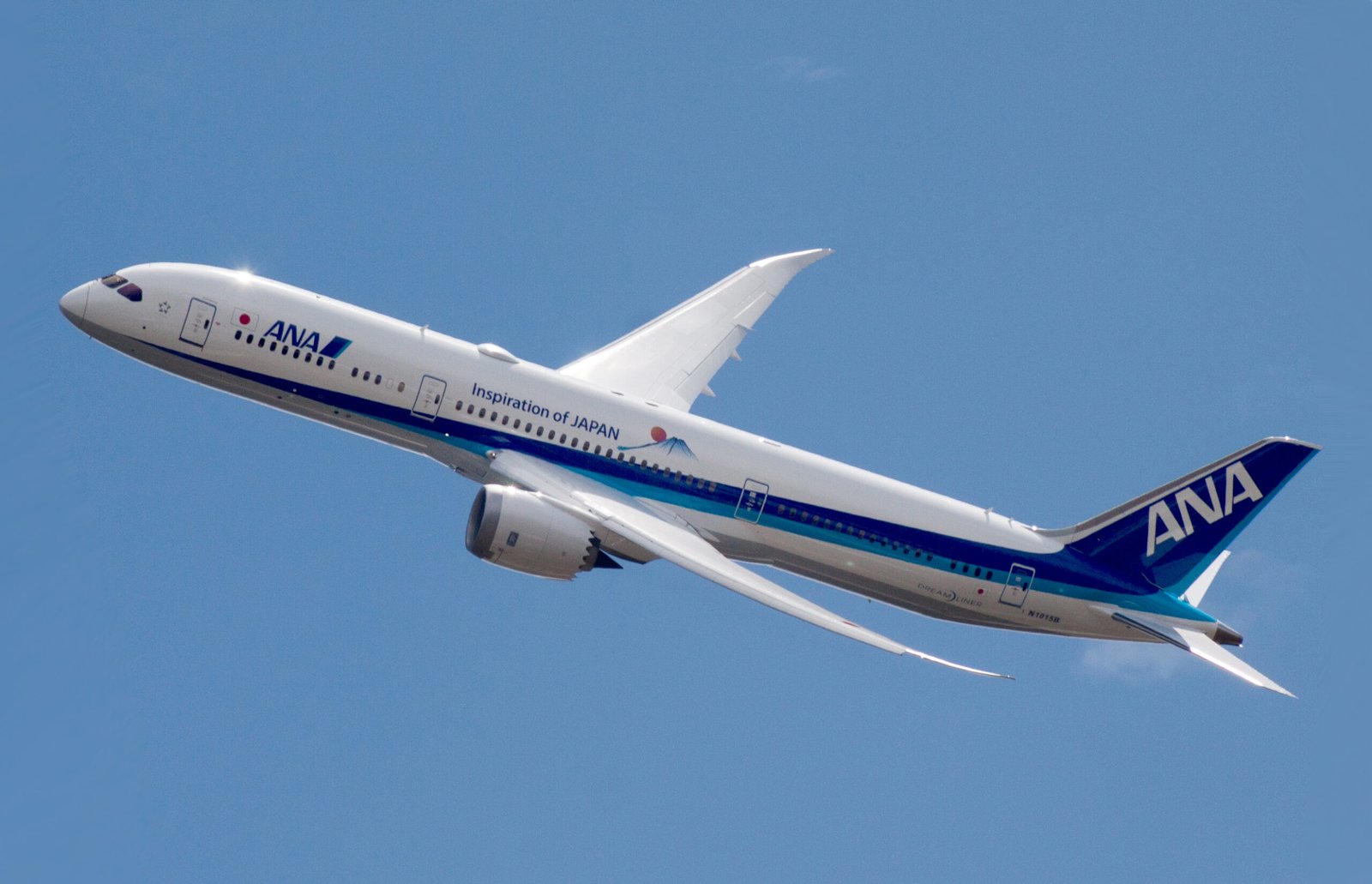
- Launch Customer(s): All Nippon Airways
- Manufacturer: Boeing
- Aircraft Type: Widebody
- First Delivery: September 25, 2011
- Number Delivered: 1,138
Advanced Materials and Structural Innovations
The architecture of the 787 represents a departure from conventional aircraft design, particularly through its use of carbon fiber reinforced polymers (CFRP), allowing for a lighter, fatigue-resistant, and corrosion-resistant build. This contributes to the aircraft’s capacity to consume up to 25% less fuel than its predecessors. Manufacturing innovations further decrease unnecessary weight, enhancing efficiency across its operations.
| Variant | Typical Two-Class Seating | Range | Estimated Fuel Burn Per Seat vs. Older Widebodies |
|---|---|---|---|
| 787-8 | 240–250 | 7,300 NM / 13,500 km | 20–22% more efficient per seat than 767-300ER |
| 787-9 | 290–300 | 7,565 NM / 14,010 km | 23–25% more efficient per seat than the early 777-200 |
| 787-10 | 330–340 | 6,330 NM / 11,730 km | 25% more efficient per seat than 777-200ER / A330-300 |
Aerodynamics and Engine Efficiency
Distinguished by its aerodynamic features, the 787’s long, flexible wings and high-aspect-ratio wingtips reduce drag, while advanced engines like the Rolls-Royce Trent 1000 and GE GEnx increase thermal efficiency. This combination ensures fuel efficiency across varied flight conditions, enabling routes such as Denver-Tokyo which were previously untenable.
Variants and Mission Flexibility
The 787 family, comprising the 787-8, 787-9, and 787-10, delivers diverse capabilities to airlines, allowing them to connect smaller cities, undertake ultra-long-hauls, and serve dense traffic corridors efficiently. This versatility is a key reason behind its widespread adoption by airlines globally.
System Integration and Operational Efficiency
The 787’s innovation extends beyond its physical attributes into system integration. Transitioning to electric systems reduces maintenance while a lower cabin altitude and higher humidity improve passenger experience and structural longevity. This system coherence facilitates consistent fuel savings in operations.
Development Journey and Lessons
The creation of the 787 involved overcoming initial challenges related to outsourcing and composite manufacturing. Collaborations with academic institutions contributed to its resilience and reliability. Today, its operational success validates the initial risks and innovations, setting a precedent for future aeronautical designs.
Economics, Trade-offs, and Future Prospects
The Boeing 787 stands approximately 25% more fuel-efficient than older models, leading to significant economic advantages for airlines. Despite initial production challenges, the aircraft’s forward-looking design remains adaptable to impending technological advancements such as sustainable fuels, ensuring its continued relevance in a sustainability-centered aviation landscape.