
Heathrow’s Third Runway: An Overview
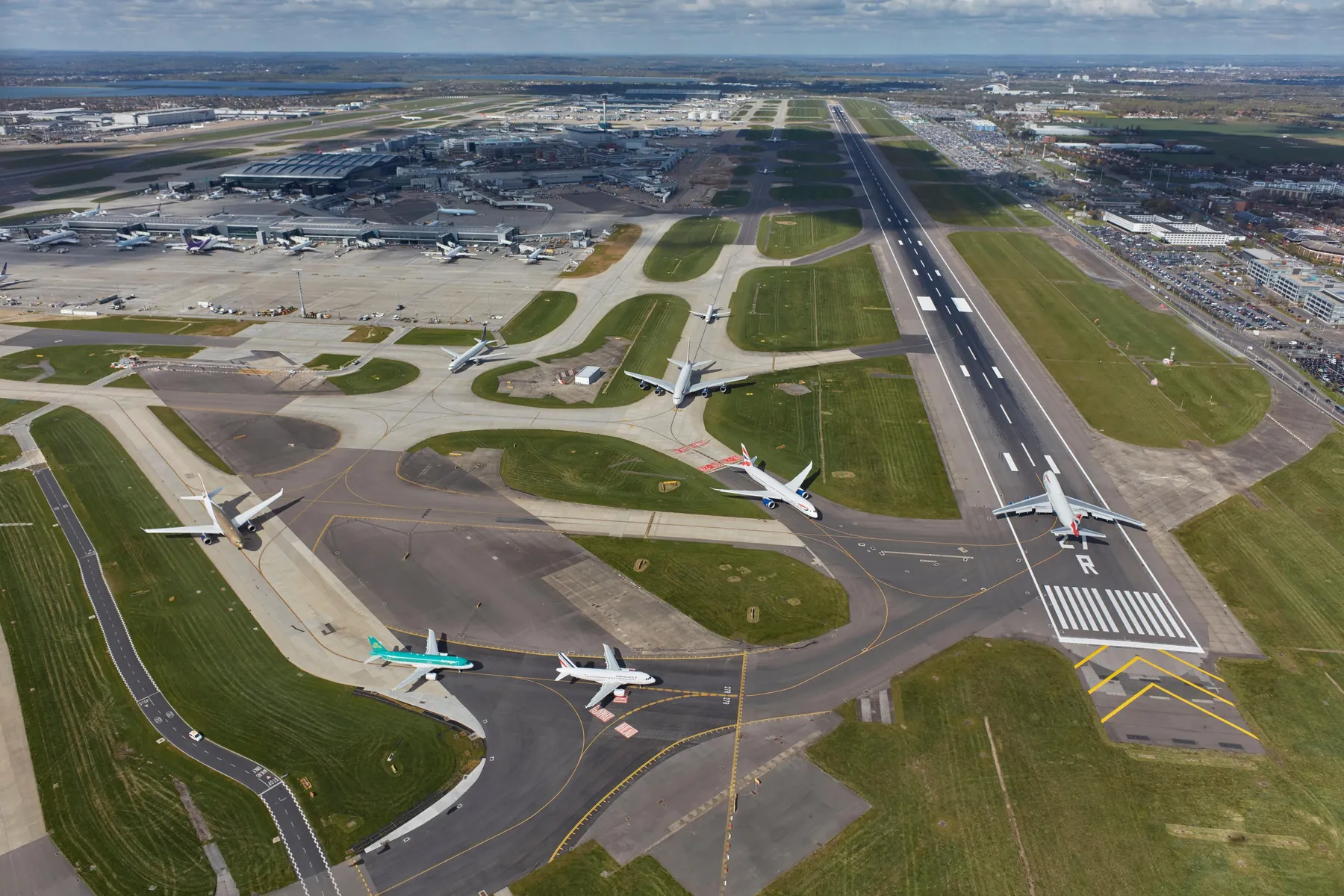
London Heathrow Airport’s (IATA: LHR) longstanding proposal for a third runway has resurfaced on the UK’s infrastructure agenda. This development plan not only aims to expand the airport but also involves extensive changes to the surrounding area, including highways. Some terminals may be demolished or expanded, and new ones constructed.
Proposed Expansion Details
Estimated at £50 billion, the plan envisions completion within ten years. Once finished, Heathrow’s capacity may increase by 78%, accommodating up to 150 million travelers annually. Since the initial proposal more than a decade ago, progress has been stalled due to political issues and the COVID-19 pandemic.
Currently, Heathrow operates nearly at full capacity with approximately 480,000 flights each year. Without expansion, the airport risks becoming a major bottleneck in UK air travel. Aside from London City Airport (LCY), Heathrow remains a critical hub for London and beyond.
Super Sizing Heathrow: Runway Three
Heathrow Airport Limited’s proposition is a large-scale project that seeks to enhance the airport’s global standing. Supported by British Airways, the plan includes building a 3,500-meter runway northwest of the current configuration. This runway could increase flight operations by 276,000 annually, raising total takeoff and landing slots from 480,000 to 756,000.
- Proposed Budget: £50 billion
- Runway Length: 3,500 meters
- Maximum Annual Traveler Capacity: 150 million
- Maximum Annual Flights: 756,000
Terminal Developments
The project includes constructing a new terminal complex, T5X, west of Terminal 5, and a satellite terminal, T5XN, to boost passenger capacity. Additionally, redevelopment plans aim to enhance existing terminals and extend Terminal 2, with plans to close Terminal 3. A 50% increase in cargo capacity is also anticipated.
Financial Considerations and Airline Concerns
Cost is a significant concern for airlines, which oppose the fee increases necessary to fund the expansion. The Civil Aviation Authority’s fee could rise from £35 to £135 per passenger. British Airways, among others, has expressed concerns that this hike would affect competitiveness and impose additional financial burdens on airlines and passengers.
Alternative Proposals: The Short Runway and Heathrow West
British Airways has long supported a shorter runway as a cost-effective alternative. This plan minimizes complexity and expense while still enhancing capacity. The Arora Group, along with partners like Bechtel, offers another alternative: a 2,800-meter runway requiring less land acquisition and avoiding the diversion of the M25 highway. The proposal includes the construction of Terminal 6 and aims to facilitate transfers and improve airline connectivity.
IATA’s Viewpoint
The International Air Transport Association (IATA) supports Heathrow’s growth but emphasizes prudent spending to avoid inefficient use of resources.