
Boeing’s Ambitious Plan to Enhance 737 MAX Production
In recent years, Boeing has faced significant challenges in aircraft production and delivery. The 737 MAX faced grounding after fatal crashes in 2018 and 2019, and issues persisted in 2024 when a 737 MAX 9’s door plug detached mid-flight. Consequently, the Federal Aviation Administration (FAA) capped Boeing’s 737 MAX production at 38 units monthly, enforcing strict oversight. A similar situation affected the 777X, which remains undelivered.
Positive Signs and Boeing’s Production Goals
June witnessed Boeing’s highest aircraft delivery since December 2023, with 60 planes delivered. This achievement is part of Boeing’s plan to persuade the FAA to raise the imposed limit. Boeing CEO Kelly Ortberg discussed the plan in a call, highlighting ambitions to increase 737 MAX production from 38 to 42 units monthly, aiming for 47 later. Although Ortberg identified one key performance indicator (KPI) still needing attention, specifics were not disclosed.
Detailed 737 MAX Production Strategy
- Boeing aims for a 35% sales increase from April to June 2025.
- A reduction in quarterly losses to $612 million supports the production boost.
- Plans are also in place to heighten 787 Dreamliner production, restricted to seven monthly currently.
- The strategy accounts for navigating tariffs and trade deals from the U.S. administration, notably an agreement with Japan for equipment imports.
737 MAX Historical Production Challenges
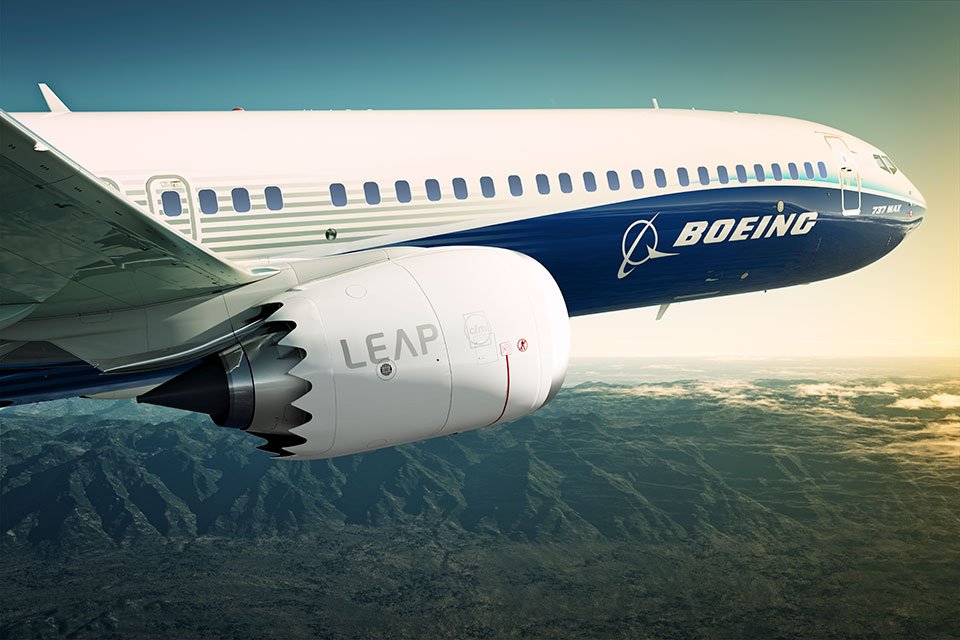
Boeing launched the 737 MAX in 2011 as an enhancement to the 737 Next Generation, promising a 14% improvement in fuel efficiency, achieving fast sales with over 5,000 orders. However, a 20-month grounding followed due to major crashes and pandemic-related disruptions.
| Variant | Typical Seating | Maximum Takeoff Weight | Length | Range | Takeoff Distance |
|---|---|---|---|---|---|
| MAX 7 | 153 | 177,000 lb | 116 ft 8 in | 3,800 nm | 7,000 ft |
| MAX 8 | 178 | 182,200 lb | 129 ft 6 in | 3,500 nm | 8,300 ft |
| MAX 9 | 193 | 194,700 lb | 138 ft 4 in | 3,300 nm | 8,500 ft |
| MAX 10 | 204 | 197,900 lb | 143 ft 8 in | 3,100 nm | Not yet known |
Regulatory approval in 2020 allowed Boeing to address its extensive backlog. However, pandemic challenges and firm difficulties hindered progress—Airbus delivered 566 aircraft in 2020 versus Boeing’s 157.
Growing Demand and Operational Pressure
Despite past struggles, Boeing continues to secure large orders, intensifying the need to expand production. In June 2025, Boeing booked 116 gross orders, a 70% increase after adjustments.
| 737 | 767 | 777 | 787 | Total |
|---|---|---|---|---|
| 4,826 | 93 | 629 | 991 | 6,539 |
| -418 | None | -70 | -57 | -545 |
| 4,408 | 93 | 559 | 934 | 5,994 |
The company outperformed Airbus in terms of deliveries and orders in 2025, yet it faces reputation and competition challenges.
Progress in 787 Dreamliner Deliveries
Boeing’s 787 Dreamliner deliveries saw eight units delivered in July, progressing towards seven monthly, with an increase planned by early 2026. Forecast International supports these targets given recent consistent performance.
Adaptive order handling, such as American Airlines and Hawaiian Airlines adjusting their Boeing deliveries, underscores Boeing’s maneuvering efforts. If goals are met, Boeing could advance its 787 program significantly.
Meeting 737 MAX Backlog Challenges
Boeing’s production commitments require systematic supply chain management and quality assurance. Production acceleration risks diminishing craftsmanship quality, especially critical in aviation. Success hinges on market confidence restoration amid reputational damage and ongoing challenges with the 777X.
Despite production optimism, overcoming legacy issues, such as those stemming from the McDonnell Douglas merger, is pivotal for Boeing’s future recovery.