
The Dominance of the Boeing 787 Dreamliner
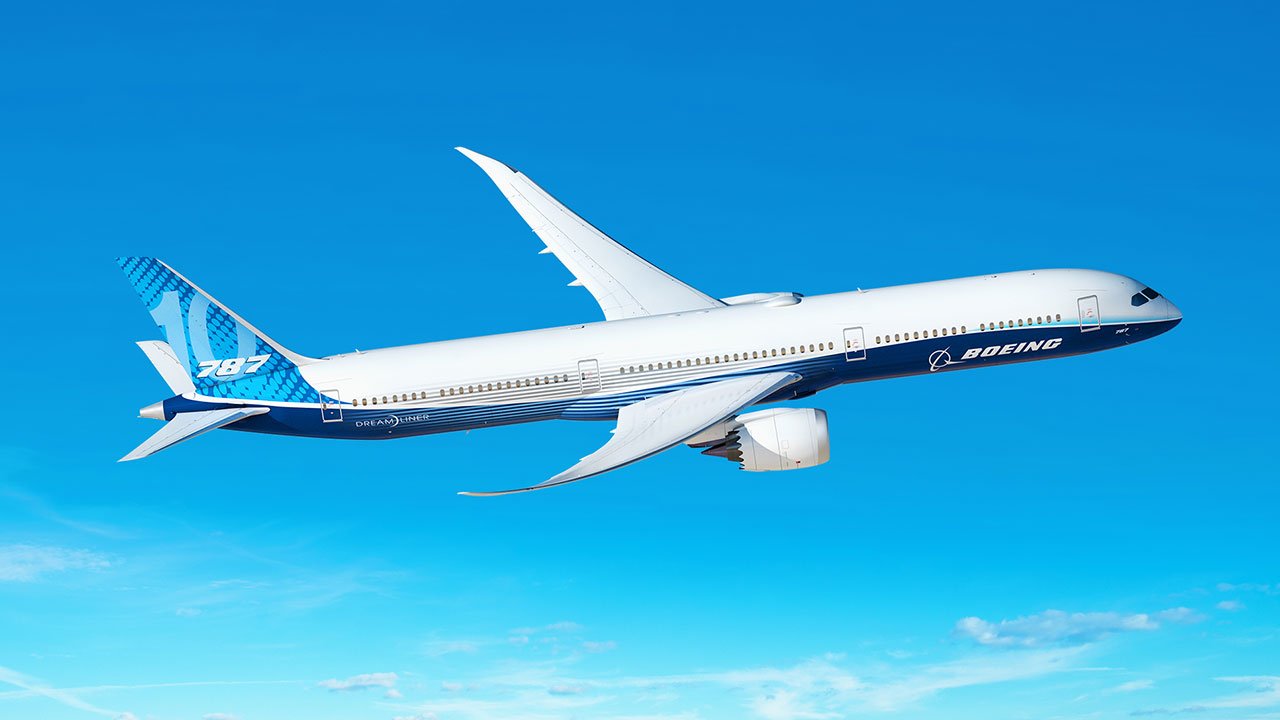
The Boeing 787 Dreamliner has emerged as the most successful widebody aircraft in aviation history. Over 14 years, it has transported over a billion passengers and completed nearly five million flights, facilitating numerous nonstop routes previously deemed uneconomical. With over 2,000 orders from nearly 90 customers, the Dreamliner has set a new standard for widebody aircraft, significantly influencing long-haul travel strategies.
Key Specifications of the Boeing 787
| Specification | Details |
|---|---|
| Launch Customer | All Nippon Airways |
| Manufacturer | Boeing |
| Aircraft Type | Widebody |
| First Delivery | September 25, 2011 |
| Number Delivered | 1,138 |
The Rise and Impact of the Dreamliner
Boeing’s ambition with the 787 was to transform long-haul travel by focusing on a mid-sized widebody that could fly further, faster, and more cost-effectively. While it faced initial challenges, including delays and technical issues, the Dreamliner eventually delivered significant fuel savings and reliability, making it an attractive option for airlines modernizing their fleets. Today, with more than 1,175 units in operation across nearly 90 airlines, it has become a mainstay for global long-haul operations.
Efficiency and Innovation
The 787 stands out for its efficiency, with 50% of its construction utilizing composite materials. This design reduces weight, which, combined with advanced aerodynamics and engines, lowers fuel consumption by 20–25% compared to older models. Such efficiency is crucial for airlines dealing with fluctuating fuel costs and stricter environmental regulations.
Pioneering New Routes
The Dreamliner’s ability to open new, profitable routes is among its most significant contributions. Its range of 7,500 nautical miles allows airlines to connect secondary cities directly, bypassing traditional hubs. This innovation has reshaped the aviation landscape, enabling routes like Tokyo–San Jose and Perth–London, which attract premium passengers while challenging competitors to adapt.
Comparison with Airbus A330-900
| Specification | Airbus A330-900 | Boeing 787-9 |
|---|---|---|
| Typical / Two-class seating | 287–303 seats | 296 seats |
| Maximum Range | 7,350 nm (13,600 km) | 7,565 nm (14,010 km) |
| Maximum Take-Off Weight (MTOW) | 550,000 lbs (250,000 kg) | 560,000 lbs (254,000 kg) |
| Cruise Speed | Mach 0.82 | Mach 0.85 |
Challenges for Airbus
Airbus faces a dilemma with the Dreamliner’s success. The A330neo, meant to compete, struggles to match the 787’s economic advantages. Furthermore, while the A350 holds its own in the larger and long-range market, the lack of a direct competitor to the 787 in the mid-size category leaves Airbus vulnerable.
Boeing’s Vulnerabilities
Though formidable, the 787 faces its share of challenges, including production setbacks and regulatory pressures related to sustainability. Boeing’s reliance on the 787 for widebody sales presents risks should demand diminish. Meanwhile, Airbus could capitalize by enhancing its product line, possibly offering technologies that leapfrog Boeing’s current capabilities.
The Path Forward
The Boeing 787’s dominance is reshaping the industry, applying pressure on Airbus to innovate in the competitive widebody sector. While Airbus enjoys success with the A350, addressing the gap in the mid-size widebody market is crucial to reclaim its footing. The evolving dynamics of the aviation market may compel both companies to strategize for the future of air travel.