
Introduction to Fighter Jets with Long Service Lives
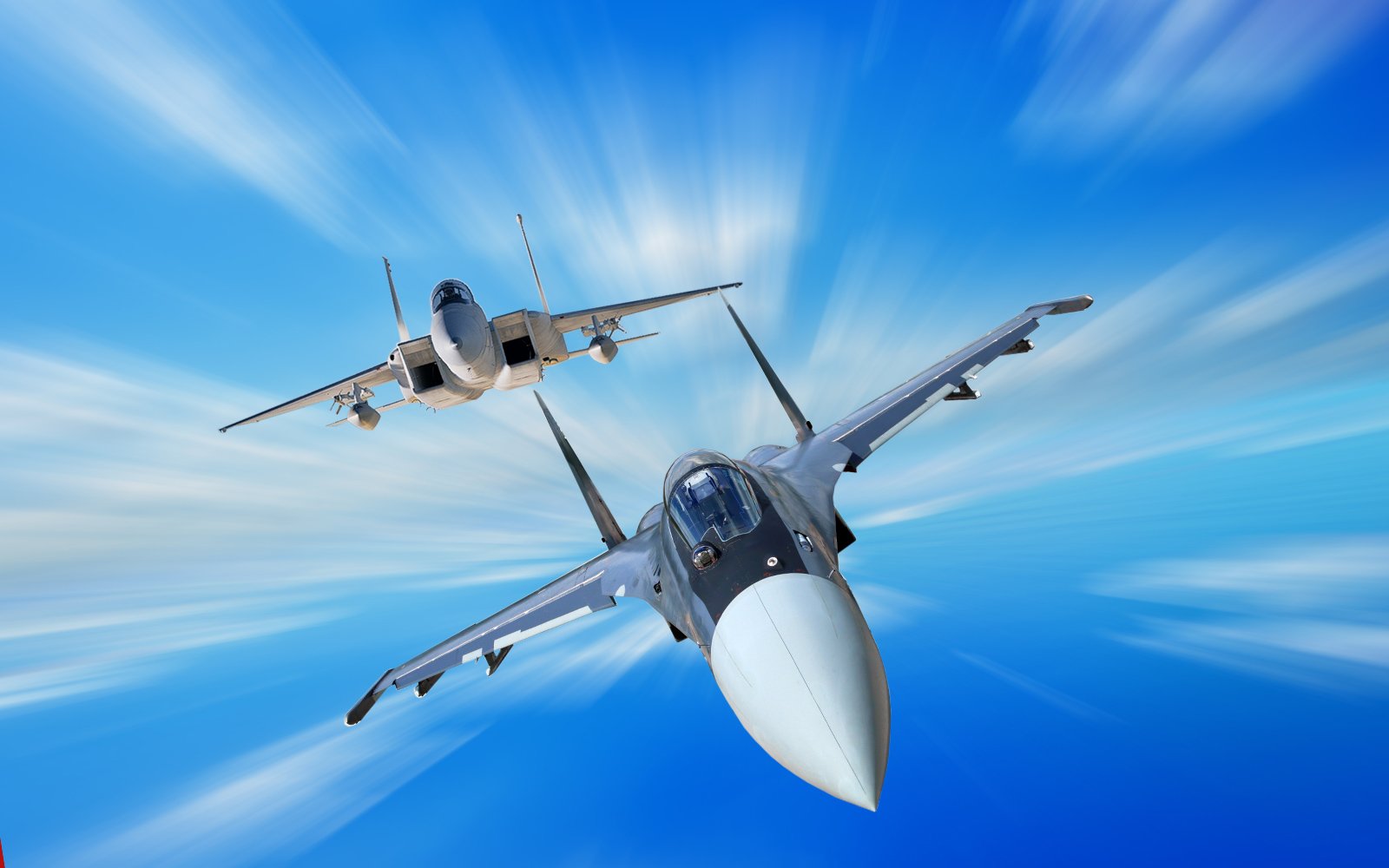
Fighter jets like those in the United States and other countries continue to demonstrate their worth even decades after their first flight. These jets maintain their value through regular upgrades, cost efficiency, and reliable designs, ensuring they remain battle-ready in today’s sophisticated warfare landscape.
By maintaining existing fleets rather than developing new aircraft, air forces save billions while preserving their operational readiness. Aircraft such as the McDonnell Douglas F-4 Phantom II and the Boeing B-52 Stratofortress showcase how durability paired with modernization keeps older jets relevant.
Why Fighter Jets Remain in Service for Decades
Fighter jets with long service lives provide practical and financial benefits. Upgrading components like engines, radar systems, and avionics allows nations to avoid the high costs associated with designing new aircraft. These upgrades enable older jets to compete effectively with newer models.
Pilots and maintenance crews often favor these time-tested airframes because of their reliability and familiarity, reducing training time and ensuring consistent operational capacity during conflicts.
Older jets also serve as reliable training platforms for new pilots, minimizing the risk to advanced fifth-generation fighters. They fulfill support roles such as reconnaissance and electronic warfare where cutting-edge stealth is unnecessary. Additionally, acquiring spare parts for legacy jets is usually straightforward, making long-term upkeep feasible.
With these factors combined with ongoing modernization, governments achieve affordability and operational readiness, ensuring their air fleets remain capable across various missions.
Notable Fighter Jets with Long Service Histories
- McDonnell Douglas F-4 Phantom II: First flown in 1958, this jet became essential for the U.S. Air Force and Navy during the Cold War. Advanced avionics and weapon upgrades have allowed it to serve into the 21st century.
- Lockheed Martin F-15 Eagle: Known for exceptional speed and maneuverability, the F-15 Eagle entered service in the 1970s and continues in active duty. Ongoing modernization has resulted in models like the F-15EX.
- Mikoyan-Gurevich MiG-21: A product of the 1950s, the MiG-21 remains popular for its simple design and low maintenance costs. Though often described as a “flying coffin,” its upgrades have kept it relevant for air defense roles.
- Dassault Mirage III: With a distinctive delta-wing design, the Mirage III found favor worldwide since its introduction in the 1960s, supported by structural and avionics improvements over the years.
- Boeing B-52 Stratofortress: This bomber has shown remarkable longevity, part of U.S. Strategic Air Command since 1955, adapting to new weapons and mission profiles over six decades of service.
The Importance of Upgrading Older Aircraft
The continued operation of older jets highlights the significance of cost efficiency in defense strategies. Upgrading avionics, weapons, and engines allows air forces to sustain potent capabilities while conserving resources. This approach demonstrates that well-designed jets remain valuable assets long after their production spans.
| Fighter Jet | Year Introduced | Prominent Nations Operating | Ideal Mission Roles |
|---|---|---|---|
| McDonnell Douglas F-4 Phantom II | 1958 | United States, Germany, Japan, Greece | Air superiority, ground attack, reconnaissance |
| Lockheed Martin F-15 Eagle | 1976 | United States, Japan, Saudi Arabia, Israel | Air dominance, interception, multirole combat |
| Mikoyan-Gurevich MiG-21 | 1959 | India, Vietnam, Romania, Croatia | Interception, point defense, training |
| Dassault Mirage III | 1961 | France, Israel, Argentina, Pakistan | Interception, strike missions, reconnaissance |
| Boeing B-52 Stratofortress | 1955 | United States | Strategic bombing, long-range strike, maritime patrol |
The enduring service of these aircraft illustrates how durability, adaptability, and cost-effectiveness shape modern air power, ensuring military readiness continues globally without excessive expenditures.