
Giant to Green Pioneer – Journey of the Older Airbus A380
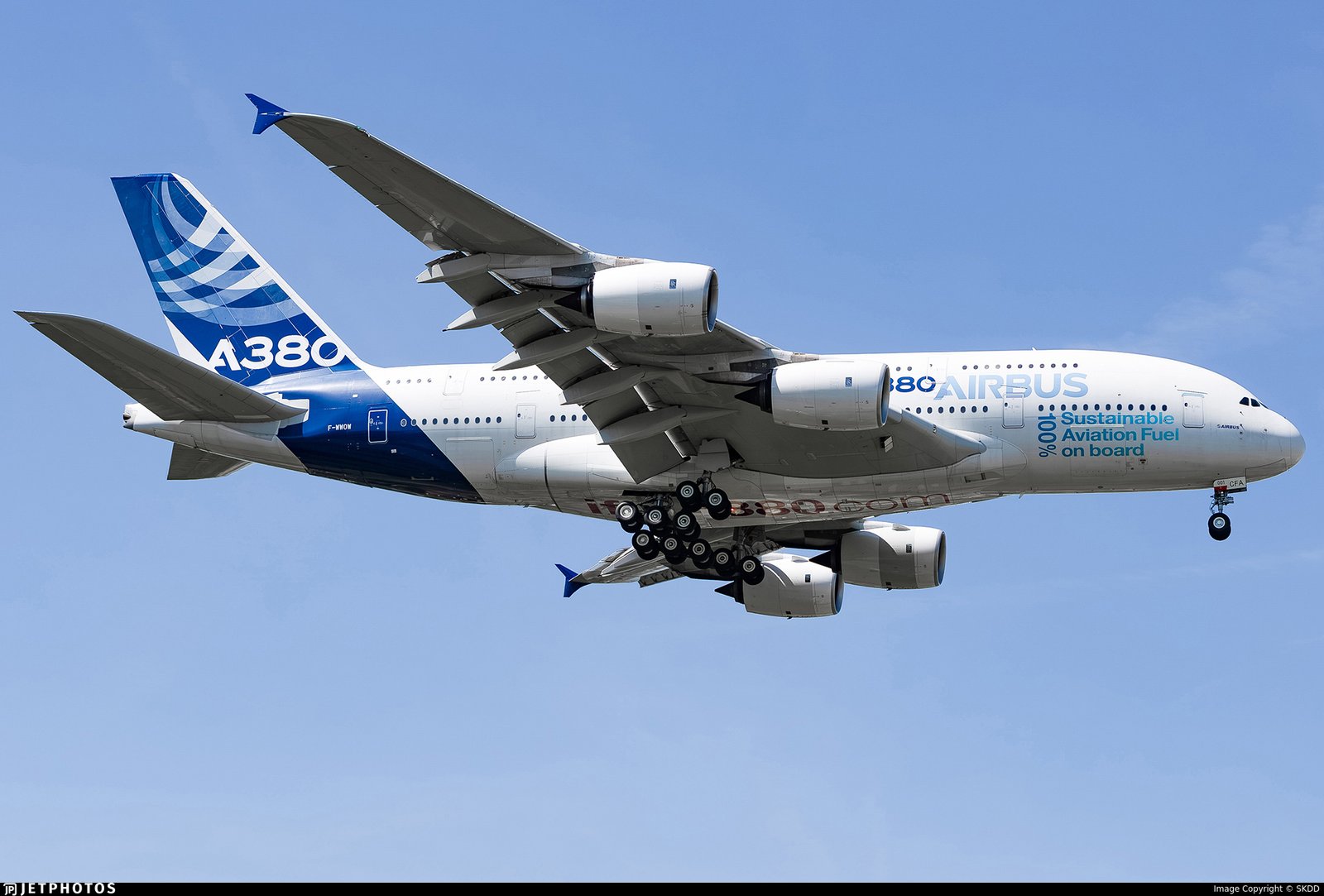
The Airbus A380, once known as the pinnacle of commercial aviation excellence, has been redefining its legacy even after its production has ended. The story of the oldest Airbus A380, identified as MSN 001 or F-WWOW, encapsulates its transformation from a mere prototype to a critical player in Airbus’s ambitious hydrogen fuel program.
The Airbus A380’s inception was marked by grandeur. Revealed in January 2005 to an audience of 5,000, the A380 was an engineering marvel, unrivaled in size and passenger capacity. With global airlines eagerly placing orders, its future seemed expansive. However, the prototype aircraft MSN 001 was more than just a test bed; it was the lynchpin for Airbus’s visionary projects.
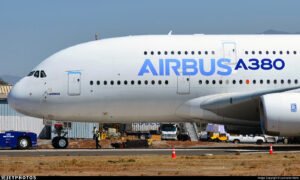
As the years progressed, MSN 001 transitioned from the spotlight to a quieter existence in storage at Tarbes-Lourdes, a unique airfield known for housing retired jets. However, the global shift towards sustainable aviation revitalized its role. In 2020, Airbus announced its commitment to zero-emission aircraft, targeting the mid-2030s for commercial introduction. With its spacious design and robust engineering, MSN 001 was the ideal candidate for testing hydrogen propulsion systems.
The revived A380 now accommodates large cryogenic tanks designed to hold liquid hydrogen, alongside advanced sensors and equipment. Test flights are anticipated later in the decade, with Airbus pushing boundaries in flying a jumbo jet with alternative fuels. This research could potentially revive the niche for large aircraft as sustainable aviation becomes more critical.
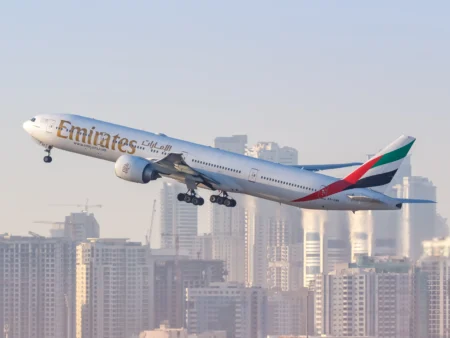
The A380 might have seen its production culminate in 2021, but its essence lives on. Emirates, holding half of the world’s A380 fleet, continues to fly these iconic jets, keeping the dream alive as alternative fuels pave the way for a new era in aviation.