
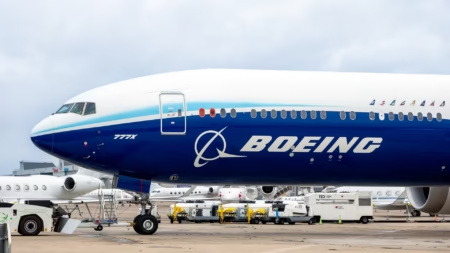
The Boeing 777X, set to be the largest twinjet, faces certification delays, pushing its delivery to 2026. Technical features, challenges, and airline impacts are outlined, emphasizing Boeing’s efforts to meet the new timeline.
The Boeing 777X, set to be the largest twinjet, faces certification delays, pushing its delivery to 2026. Technical features, challenges, and airline impacts are outlined, emphasizing Boeing’s efforts to meet the new timeline.

Delta Air Lines is considering adding the Boeing 787-10 to its widebody fleet, disrupting its primarily Airbus lineup. The integration aims to replace aging Boeing 767s and cater to medium to long-haul routes while ensuring fleet diversification. This strategic move enhances operational flexibility amidst potential delivery constraints from Airbus.
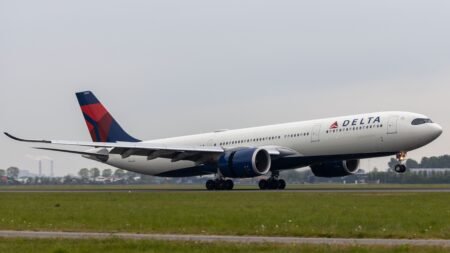
Delta Air Lines, the second-largest US airline by fleet size, boasts a significant widebody presence with the Airbus A330 family. The A330 series, led by the A330neo, plays a vital role in Delta’s operations with multiple configurations across its three variants. Complementing the A330s, Delta also operates Boeing 767s and Airbus A350s, although plans are in place to retire older 767 models by 2030.
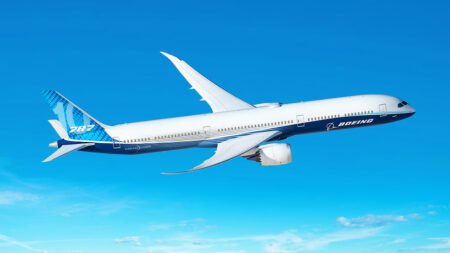
The Boeing 787 Dreamliner has become the best-selling widebody aircraft, reshaping long-haul travel with its efficiency and ability to open new routes. This dominance challenges Airbus, primarily with its A330neo and A350 models. The Dreamliner’s success pressures Airbus to innovate, especially in the mid-size market, to compete effectively.
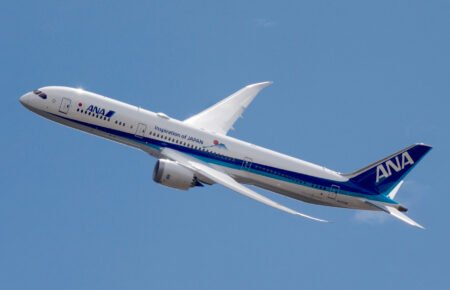
The Boeing 787 Dreamliner is a significant aircraft in commercial aviation, notably for its fuel efficiency and range flexibility, which benefit airlines and passengers. Utilizing advanced materials, aerodynamics, and engine technologies, the Dreamliner achieves substantial operational savings while offering mission flexibility through various aircraft variants. The move to a more-electric architecture and improved passenger comfort features are also key factors that enhance its efficiency.
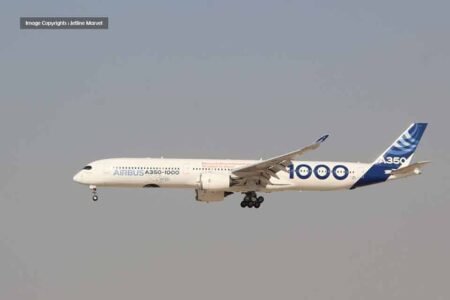
The Airbus A350, highly sought for its advanced design, faces production challenges exacerbated by supply chain constraints. Airbus aims to enhance A350 monthly output by 2026, though current shortages result in targets being missed. With significant demand, the A350’s future production remains uncertain, posing challenges for airlines dependent on timely deliveries.

In October, Boeing’s 787-9 surpasses the 777-300ER as the most active widebody aircraft, with a 10.8% increase in flights to 34,903. Carriers like Etihad, All Nippon Airways, and Qatar Airways lead in usage. The 787 family remains Boeing’s top widebody with 67,526 flights, showcasing its global relevance and efficiency.
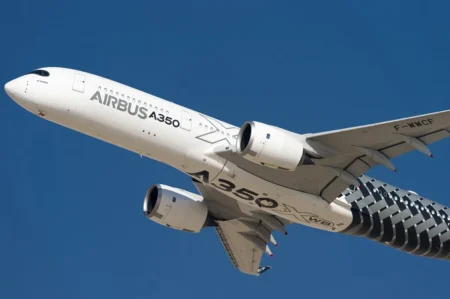
Airbus is gaining ground on Boeing in the widebody aircraft market, particularly with the quiet and efficient Airbus A350. Known for its impressive range and noise reduction technology, the A350 is a preferred choice for airlines with ultra-long-haul routes. With over 1,400 orders to date, including the upcoming A350F freighter, Airbus is set to continue its strong presence in this segment.

The analysis identifies the top five airlines by widebody aircraft fleet size. Emirates leads with 264 widebody aircraft, followed by United Airlines with 227. Qatar Airways and Delta Air Lines also have substantial widebody fleets, prioritizing modern, efficient aircraft. Turkish Airlines uses its fleet of 154 widebodies effectively to connect its Istanbul hub to global destinations.
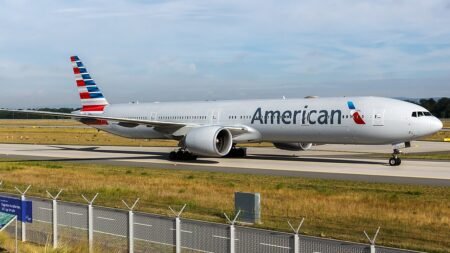
American Airlines plans to significantly increase the deployment of its Boeing 777 aircraft on key domestic routes in Q4 2025. The 777-200ERs will see an 83% year-on-year increase in use, with strategic deployments also planned for the 777-300ERs. This strategy enhances passenger capacity and efficiency on busy routes, while the airline continues strengthening its widebody fleet with additional Dreamliner aircraft.