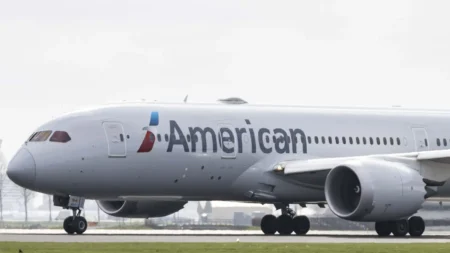
American Airlines is striving to compete as a premium carrier amid high operational costs and a market heavily dominated by Delta and United. To succeed, it must capture high-yield passengers through strategic investments in service enhancements and cultural shifts within the company, while overcoming limitations from airport slot constraints and government policies.
Browsing: U.S. Airlines
Delta Air Lines is considering adding the Boeing 787-10 to its widebody fleet, disrupting its primarily Airbus lineup. The integration aims to replace aging Boeing 767s and cater to medium to long-haul routes while ensuring fleet diversification. This strategic move enhances operational flexibility amidst potential delivery constraints from Airbus.
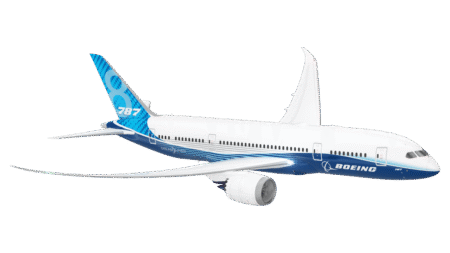
The FAA has imposed mandatory inspections on 119 Boeing 787 Dreamliners to address potential oxygen mask faults and a pilot seat switch issue, enhancing safety. The measures aim to rectify these concerns through efficient, cost-effective solutions while minimizing operational impacts for U.S. airlines.
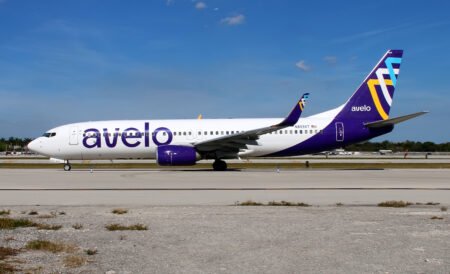
Avelo Airlines has ordered 50 Embraer E195-E2 aircraft, with options for 50 more, becoming the first U.S. airline to operate this model. The E195-E2 features enhanced short-field performance and a range of passenger amenities, aligning with Avelo’s strategy to expand affordable travel. The aircraft will join Avelo’s existing Boeing 737NG fleet, boosting operational efficiency and network reach starting in 2027.
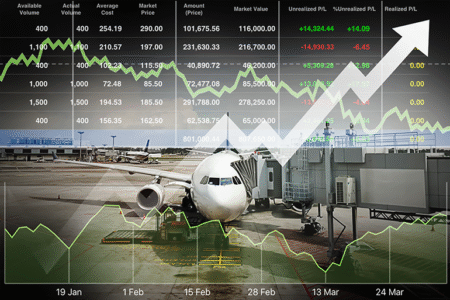
This analysis delves into the consistent rankings of the three major U.S. airlines—Delta, United, and American—in terms of operating margins over the past seven years. Delta remains the leader, followed by United and American.