Japan Airlines is launching a comprehensive fleet transformation strategy by 2030, primarily focusing on increasing sustainability and expanding international routes. With a shift towards more fuel-efficient aircraft and strategic fleet replacements, JAL aims to increase operational efficiency and reduce its carbon footprint, aligning with its long-term environmental goals.
Browsing: Sustainable Aviation
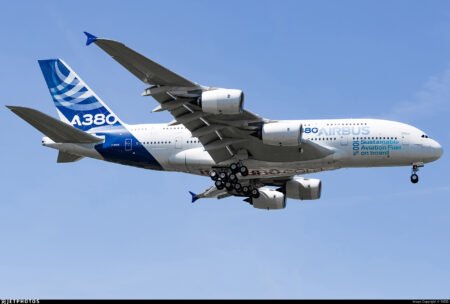
The oldest Airbus A380, MSN 001, has embarked on a new journey, testing hydrogen fuel technology. Initially a prototype, this aircraft now aids Airbus’s zero-emission goals, symbolizing the shift toward sustainable aviation. Its legacy continues through groundbreaking research and operational commitments by airlines like Emirates.
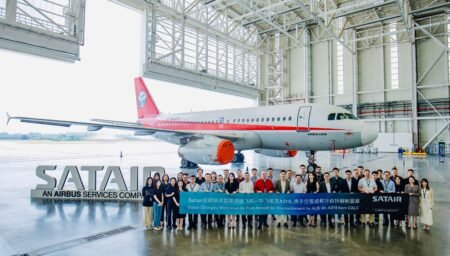
Satair has acquired its first A319 airframe in Chengdu, China, as part of its end-of-life solutions strategy, enhancing its position in the expanding aircraft lifecycle services market. The dismantling will produce high-quality USM distributed worldwide, reinforcing Satair’s role in sustainable aviation management.
The Boeing 777X is a groundbreaking widebody aircraft designed by Boeing to replace the 777-300ER, featuring advanced technology such as folding wingtips for efficient gate compatibility, fuel-efficient GE9X engines, and enhanced passenger comfort. This model not only offers improved operating economics but is also poised to redefine industry standards in long-haul travel and emissions reduction.
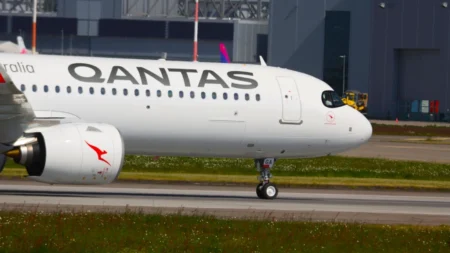
Qantas Airways has launched its Airbus A321XLR fleet, initiating commercial domestic flights with advanced aircraft enhancing passenger comfort and operational efficiency. This move marks Qantas as the Asia-Pacific region’s inaugural operator of the A321XLR, expanding its range to Southeast Asia and supporting sustainable growth ambitions.
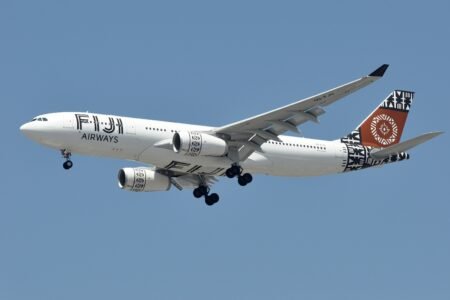
Fiji Airways is discontinuing traditional business class amenity kits to promote sustainability and efficiency. Instead, passengers can select individual essentials offered by the cabin crew. This change reflects a growing industry focus on reducing waste while maintaining passenger comfort.
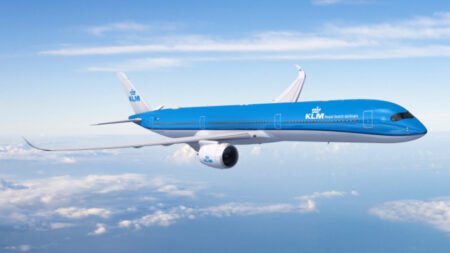
KLM Royal Dutch Airlines, a leading entity in the Air France-KLM Group, is set to transform its fleet by 2025 with the integration of the Airbus A350. This change focuses on enhancing efficiency, passenger comfort, and sustainability. As a result, KLM expects an improved fleet aligning with modern aviation standards.
Navi Mumbai International Airport (NMIA) is set to open, transforming Maharashtra’s economic landscape by easing aviation congestion and driving regional growth. With a capacity for 90 million passengers, NMIA will boost connectivity and job creation. Aligned with sustainability principles, the airport is poised to enhance real estate, tourism, and trade, while its iconic design symbolizes cultural heritage and modernity.
The Airbus A350F is set to redefine air freight with its fuel efficiency and reduced emissions, challenging Boeing’s longstanding market dominance. Targeted for a 2027 entry, this aircraft aligns with future ICAO emission standards and has already attracted significant orders from global operators seeking modern, sustainable fleet solutions.
The European Commission is expanding its sustainable aviation fuel initiatives to Africa in collaboration with AFCAC, addressing financial barriers to SAF development. The partnership, involving major financial and aviation organizations, aims to support the African aviation sector’s transition to cleaner energy, bolstering the EU-AU cooperation ahead of the upcoming summit.