
Browsing: Indian Aviation

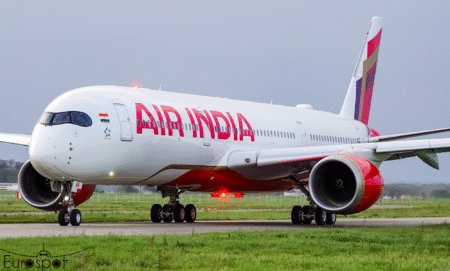
Air India's A350-900

The Tata-owned Air India Group is set to launch services at Navi Mumbai International Airport as part of its growth strategy. With plans to operate initially with Air India Express, the group aims to solidify NMI’s status as a key hub. The airport is designed to boost Mumbai’s connectivity and support India’s rise in the aviation sector.

Air India's Expansion with Navi Mumbai Airport: A New Global Hub

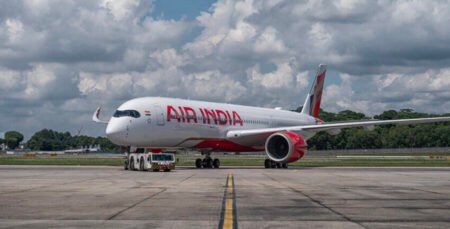
Air India Group plans to launch commercial services from Navi Mumbai International Airport, aiming to position it as a new global hub. The airport will start operations with Air India Express offering 20 daily flights to 15 Indian cities, with plans for substantial growth. As part of its transformation strategy, Air India aims to bolster its connectivity while contributing to India’s aviation sector.

Jewar International Airport

Noida International Airport in Jewar will be inaugurated on October 30, with commercial operations starting shortly after. As Asia’s largest airport, it will initially connect to at least ten cities, providing a key aviation hub in the National Capital Region. The project aims to eventually accommodate 70 million passengers annually across four phases, with significant infrastructure readiness already achieved.

Riyadh Air's Strategic Expansion into the Indian Aviation Market

Riyadh Air is set to launch flights to five major Indian cities by summer 2026, marking a significant expansion into a fast-growing aviation market. The airline aims to offer competitive services targeting both business and religious tourism sectors, amid challenges like securing bilateral rights and establishing market presence.

Indian Aviation

Navi Mumbai International Airport and Noida International Airport are poised to open soon, revolutionizing Indian aviation by easing traffic at overloaded Mumbai and Delhi airports. These developments mark India’s growing commitment to addressing overcapacity and enhancing airport infrastructure as cultural landmarks. Higher user fees at these new airports reflect their advanced infrastructure aims, underscoring the challenge of aligning costs with expectations.