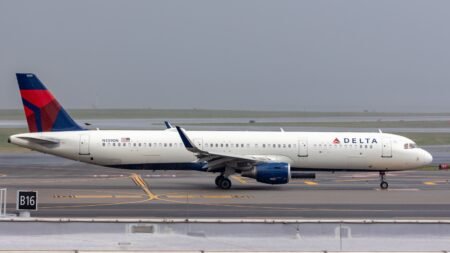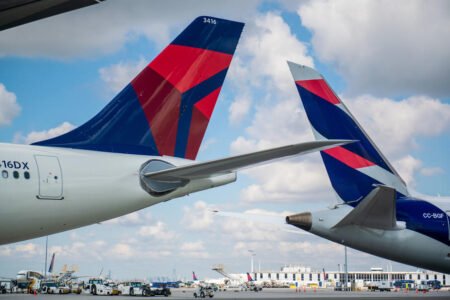

The analysis identifies the top five airlines by widebody aircraft fleet size. Emirates leads with 264 widebody aircraft, followed by United Airlines with 227. Qatar Airways and Delta Air Lines also have substantial widebody fleets, prioritizing modern, efficient aircraft. Turkish Airlines uses its fleet of 154 widebodies effectively to connect its Istanbul hub to global destinations.
Browsing: Delta Air Lines
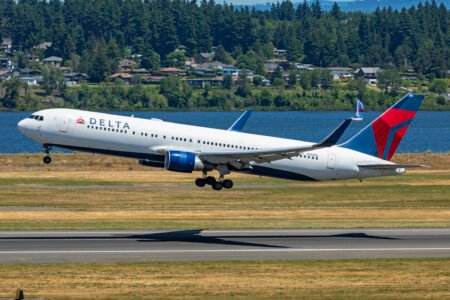
Delta Air Lines is set to launch new routes from New York JFK to Malta and Olbia in 2026 using Boeing 767-300ER aircraft, marking a first for direct U.S. flights to these locations. The introduction aligns with a trend of expanding travel options to Southern Europe, with scheduled services utilizing strategic risk-sharing and promotional strategies. Delta aims to capture the high-yield travel market to Sardinia, offering several weekly flights with premium service options.
Delta Air Lines flight DL632 encountered moderate turbulence on its journey from Quito to Atlanta, resulting in minor injuries to three flight attendants. The event, which did not impact passengers or flight safety, underscores the unpredictable nature of turbulence. Another Delta flight recently experienced severe turbulence, highlighting the importance of safety protocols and the airline’s dedication to passenger welfare.
A Delta Air Lines pilot called a LaGuardia controller an “idiot” during a weather-related delay on July 30, 2025, due to unsatisfactory communication about flight statuses. This incident, alongside a similar situation at JFK, highlights the importance of professional dialogue and coordination between pilots and air traffic control to ensure safety and efficiency in high-volume airspaces.
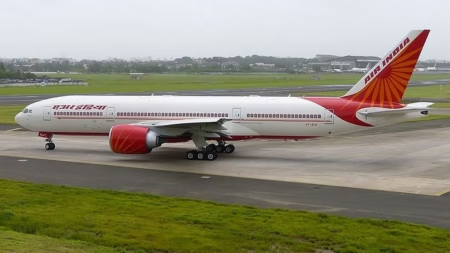
Air India will conclude its leasing of five Boeing 777-200LR aircraft from Delta Air Lines by March 2026, aligning with its fleet transition strategy. Two planes are already withdrawn for maintenance, and the rest will be phased out to optimize Air India’s wide-body operations, impacting its long-haul capabilities.
Delta Air Lines emphasizes economy class as vital for growth, while American Airlines focuses on premium enhancements. To compete effectively, American must address the entire passenger journey by elevating economy cabin offerings and fostering a service culture across all classes to build long-term loyalty.
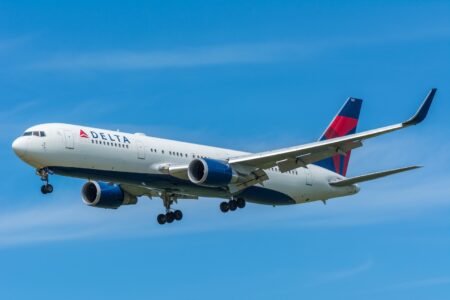
A Delta Air Lines Boeing 767 en route from New York to Los Angeles diverted to Salt Lake City after a crew-initiated engine shutdown due to failure. The incident resulted in a day-and-a-half grounding, but the aircraft has since resumed normal operations, demonstrating the reliability and flexibility of Delta’s fleet of aging Boeing 767-300ERs.
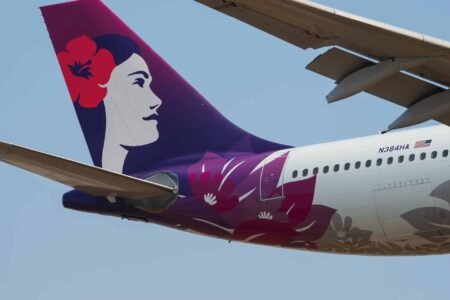
The DOT’s August 2025 report highlights Hawaiian Airlines as the top performer in punctuality and Delta Air Lines for avoiding involuntary denied boardings. American Airlines struggled with cancellations and passenger complaints, and Allegiant Air excelled in baggage handling. The report emphasizes the importance of transparency and informed passenger choices.
Delta Air Lines is launching a new daily service between Austin-Bergstrom International Airport and Miami International Airport starting November 22. This move is part of Delta’s broader expansion efforts in Austin, amid fierce competition from American Airlines, Frontier Airlines, and Southwest Airlines. Delta plans to enhance its Austin operations with additional destinations and increased frequencies on existing routes.
The leading U.S. airlines—United, American, and Delta—play significant roles in international travel, with United leading in six out of ten major markets. United’s strong presence is partly because of extensive long-haul routes, whereas Delta’s prominence in Africa is unmatched. The big three collectively manage 41% of U.S. international flights.