Browsing: commercial aviation

Airbus vs. Boeing: Understanding Their Competitive Dynamics

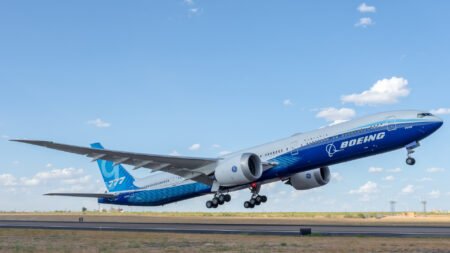
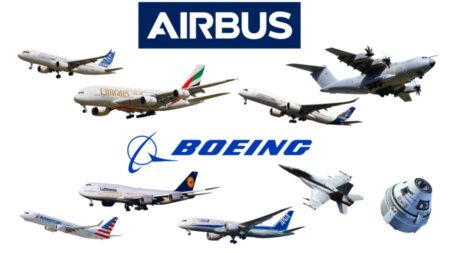
The longstanding rivalry between Airbus and Boeing has driven significant advancements in the aviation industry. Airbus, having entered later, now competes fiercely with Boeing across short-haul and long-haul aircraft categories. Despite successes like the A320neo, both manufacturers face future technological and production challenges. As new competitors like Comac emerge, the aerospace industry may witness shifts in this dominant duopoly.
Boeing 707's Four Engines: A Necessary Choice for Its Time

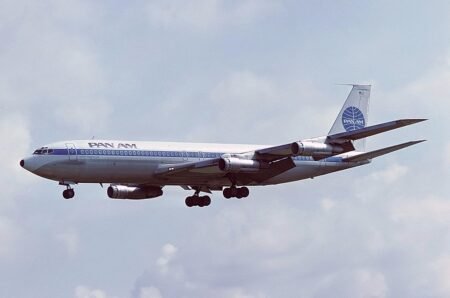
The Boeing 707 was a groundbreaking aircraft in aviation history. Featuring a four-engine design to meet the technological, safety, and regulatory demands of its time, it played a monumental role in Boeing’s growth and commercial aviation. Following its entry into service in 1958 with Pan Am, it became a major part of many airlines’ fleets, and while it is no longer in commercial use, military variants continue to serve.

Airbus A350 Production Challenges: Can Airbus Meet Demand?

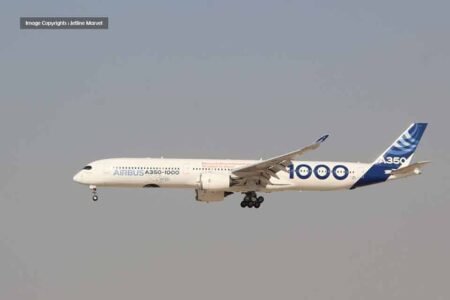
The Airbus A350, highly sought for its advanced design, faces production challenges exacerbated by supply chain constraints. Airbus aims to enhance A350 monthly output by 2026, though current shortages result in targets being missed. With significant demand, the A350’s future production remains uncertain, posing challenges for airlines dependent on timely deliveries.

Lockheed L-1011 TriStar: The Technological Marvel That Failed to Lead

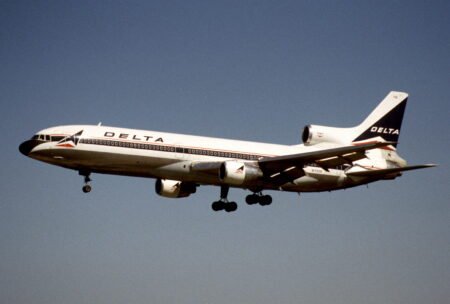
The Lockheed L-1011 TriStar was an aviation marvel that featured technical advancements like cutting-edge avionics and superior flight control systems. Despite these innovations, market challenges such as engine delays and poor timing undermined its commercial success. Although it did not lead in sales, its legacy lies in setting high safety standards and acting as a precursor to future aircraft innovations.

VietJet Receives First Boeing 737 MAX: A Strategic Fleet Expansion

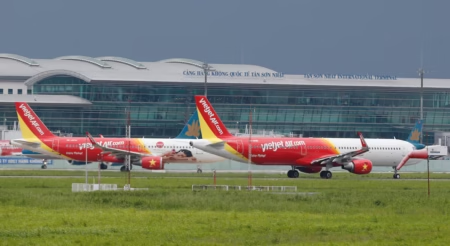
VietJet is set to receive its first Boeing 737 MAX 8, initiating the integration of 200 of these aircraft into its fleet. Starting with an order in 2016, VietJet navigated delays to adjust its fleet strategy amid ongoing U.S.-Vietnam tariff negotiations. The airline’s expansion, involving both Boeing and Airbus aircraft, underscores Vietnam’s significant $30 billion investment in the U.S.

Why United Airlines Continues to Operate the Aging Boeing 757 Fleet

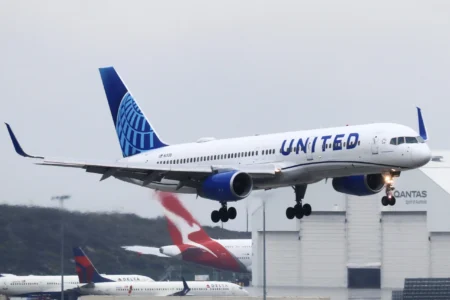
United Airlines continues to operate the Boeing 757 due to its versatility and lack of a direct replacement despite its age. With 61 aircraft in its fleet, United utilizes the 757 for domestic and transatlantic routes while anticipating replacement with the A321XLR and 737 MAX 10 in the coming years. A combination of operational efficiency, fleet synergy with the 767, and premium offerings sustains its profitability, though a transition to newer models is imminent.

Lockheed L-1011 TriStar

The Lockheed L-1011 TriStar was an advanced aircraft designed during a period of rapid growth in commercial aviation. Though technologically impressive, it faced significant hurdles, including delays related to its Rolls-Royce engines, which ultimately hindered its competitiveness. Issues such as late market entry, reliance on a single engine type, and Lockheed’s limited experience in commercial aviation contributed to its lackluster commercial success.

COMAC C919

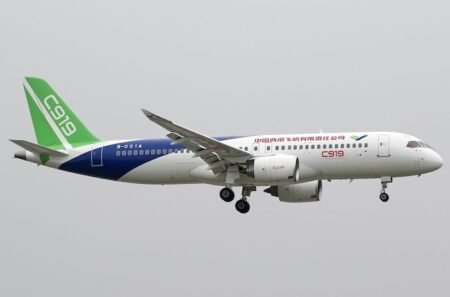
COMAC, China’s state-backed aircraft manufacturer, aims to increase its annual aircraft deliveries to 145 by 2030, as revealed by IBA. Despite challenges such as reliance on imported components and delayed certifications, COMAC’s progress signifies its growing role in both domestic and international markets, with the potential to challenge the established Airbus-Boeing duopoly in the long term.

Boeing 777x

The Boeing 777X is set to revolutionize commercial aviation as the largest twinjet, equipped with innovative features like larger windows, improved humidity, and modular cabin architecture. Despite development delays, its engineering advances and airline commitments emphasize its prominent future role.