
Browsing: Boeing Aircraft

Why Boeing 777 Maximizes Airline Revenue Potential

The Boeing 777 series, notably the 777-200ER and 777-300ER, transformed long-haul aviation with their efficiency and range, resulting in financial successes for numerous airlines. While the 777-200LR captivated attention with its extended range, the 777 series as a whole exemplified how smart design enhancements can lead to sustained airline profitability.
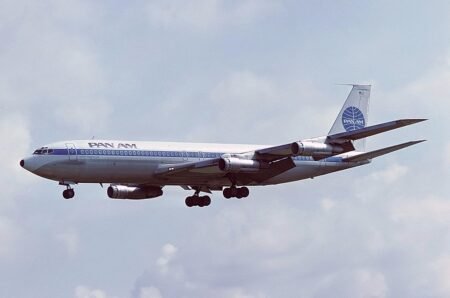
Boeing 707's Four Engines: A Necessary Choice for Its Time

The Boeing 707 was a groundbreaking aircraft in aviation history. Featuring a four-engine design to meet the technological, safety, and regulatory demands of its time, it played a monumental role in Boeing’s growth and commercial aviation. Following its entry into service in 1958 with Pan Am, it became a major part of many airlines’ fleets, and while it is no longer in commercial use, military variants continue to serve.

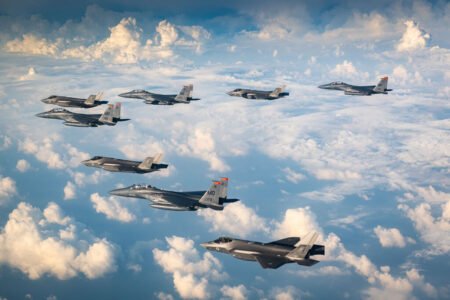
Top 10 Air Forces Dominated by Boeing Aircraft in 2023

Boeing aircraft form the core of the world’s largest air forces, serving diverse roles from strategic airlifts to tactical missions. Renowned for their reliability and interoperability with U.S. military forces, these aircraft support the varied defense needs of numerous nations across five continents. The article explores the top ten air forces with significant Boeing fleets, highlighting their strategic roles and contributions.

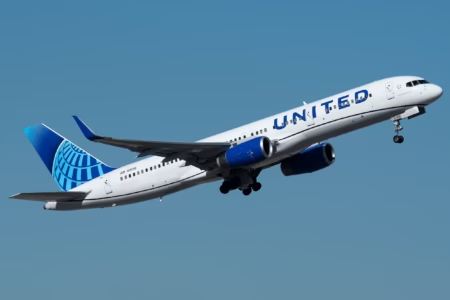
Why Boeing Chose Dual Engines for the 757: A Look at RB211 and PW2000

The Boeing 757, noted for its unique power and performance, offered dual engine options: the Rolls-Royce RB211 and the Pratt & Whitney PW2000. This decision provided airlines with configuration choices and cost benefits born from engine competition. Despite the benefits, dual options posed challenges for manufacturers, notably increased complexity and costs. Over time, market demands favored single-source engines, though the dual-option approach was standard during the 757’s era.

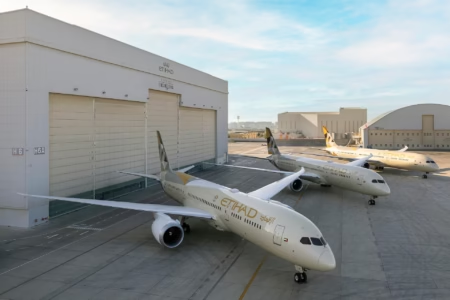
The Expanding Fleet of Etihad Airways by 2025

Etihad Airways has expanded its fleet by nearly 40% over the past three years, strengthening its competitive stance among Gulf carriers. The airline’s growing fleet includes a mix of Airbus and Boeing aircraft, aimed at enhancing range capabilities and fuel efficiency. Despite being smaller than its regional counterparts, Etihad is focused on strategic fleet composition for operational and market success.