
Browsing: Boeing 787 competition

American Airlines Boeing 787

American Airlines’ primary hub for Boeing 787 operations in 2025 was Philadelphia International Airport, with over 5,945 flights, utilizing its Dreamliner fleet for transatlantic routes. Despite having delivery delays, the airline adjusted routes based on demand. The schedule for 2025 underscores the strategic importance of both domestic and international hubs, including notable operations at Dallas/Fort Worth and Chicago.

United Airlines Plans for A350

United Airlines is reviewing its Airbus A350 order as it prepares for essential fleet updates. The decision involves evaluating economic and political factors, including the perceived trade imbalance due to foreign carrier dominance. CEO Scott Kirby’s strategy reflects a need for strategic fleet enhancements amidst foreign competition concerns.

Boeing's 787 Dreamliner

Boeing is ramping up production of the 787 Dreamliner due to robust demand and strategic expansions at its North Charleston facility. The aircraft plays a critical role in fleet renewal and emissions reduction for airlines, and improvements in supply chain and regulatory support are facilitating this increase. Despite potential risks, Boeing’s focus on enhanced delivery timelines and consistent output positions the 787 as a core element of its commercial strategy.

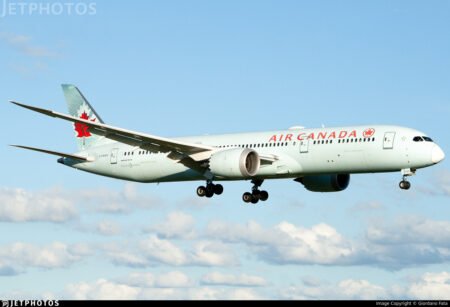
Why Air Canada Prefers Boeing 787 Over Airbus A350

Air Canada explored the possibility of switching future aircraft orders from Boeing 787 to Airbus A350 due to tariff concerns, yet such a move is deemed unlikely. The Boeing 787 is crucial for Air Canada’s fleet strategy, providing fuel efficiency and meeting increasing passenger demand. Exemptions and a strategic focus on fleet renewal favor maintaining current orders.

Boeing 787

The comparison of the Boeing 787 and the McDonnell Douglas DC-10 illustrates significant advancements in widebody aircraft design over time. Although the 787 is recognized as a ‘small widebody,’ it surpasses the DC-10 in size and range, reflecting the trend towards larger and more efficient aircraft suited to modern market demands. This shift aligns with the enhanced operating efficiency of narrowbodies like the Airbus A321XLR.