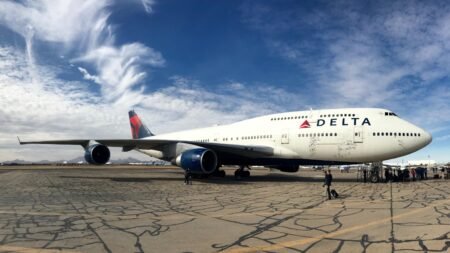
Delta Air Lines experienced a remarkable resurgence of the Boeing 747, known as the “Queen of the Skies,” in its final years. This iconic aircraft, which became a beloved choice among travelers, was eventually replaced by the more efficient Airbus A350-900. Despite its retirement, the 747’s legacy continues to influence Delta’s modern operations.
Browsing: Boeing 747-400
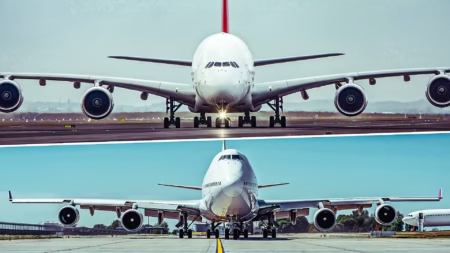
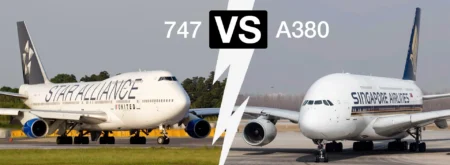
The Airbus A380 and Boeing 747 are iconic aircraft with distinct differences in design, engine systems, cabin layouts, and operating economics. The A380, known for its vast capacity and double-deck configuration, contrasts with the 747’s distinctive hump and versatile cargo capabilities. These aircraft’s range and compatibility with airports further highlight their unique roles in aviation history.
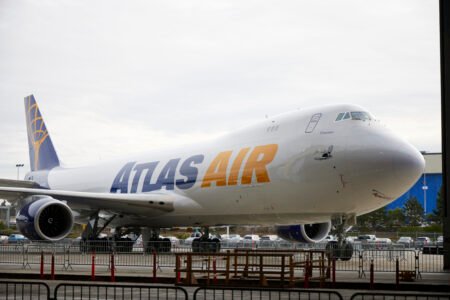
Boeing terminated the production of the 747 in early 2023, ending a substantial chapter in aviation history. Despite the cessation of its manufacturing, over 300 of these aircraft remain active globally by 2025. While many have transitioned to freight transport, some airlines continue using them for passenger travel.
The Boeing 747 continues to be a pivotal aircraft in global cargo operations, with UPS currently operating the longest nonstop route between Louisville and Dubai. The 747’s blend of capacity, range, and efficiency makes it indispensable for high-demand routes, showcasing its ongoing relevance in the cargo sector.
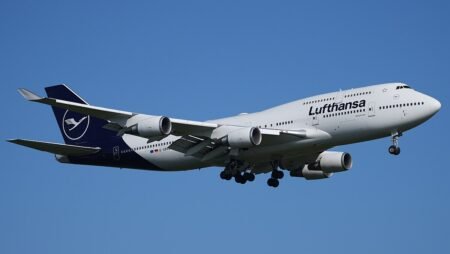
Lufthansa utilizes Frankfurt as its central hub with 67% of its widebody flights on the Airbus A340 and Boeing 747. In October, routes focus on the US with a significant number of departures. Although quadjet use declined compared to last year, the A340-300 and 747-400 saw increases, signaling strategic realignments amidst retirements.
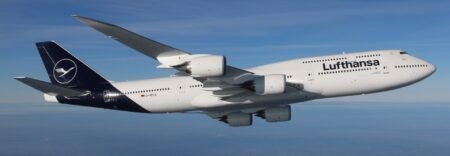
Lufthansa continues to be a significant operator of the Boeing 747 family, utilizing both older 747-400s and newer 747-8s for passenger flights. Despite the industry trend towards twinjets, Lufthansa maintains a robust schedule with these quadjets, reflecting their strategic importance. The carrier’s aircraft routinely serve major international routes from Frankfurt, with retrofitting efforts underway to enhance the flying experience.
The Boeing 747 and Airbus A380 remain significant in aviation despite production halts, with 22.6% of 747s and 61.8% of A380s still in operation. Passenger opinions favor the A380 for comfort, while the 747’s nostalgic value remains strong. Modern aircraft like the A350 and 787 are shaping the industry with superior fuel efficiency, yet there is potential interest in a new A380 model.
The Boeing 747 continues to influence Airbus’s strategic planning despite its production ending, thanks to its legacy and powerful strategic leverage in aircraft development. The 747 shaped long-haul aviation and maintains its role in the cargo sector. As the focus shifts to efficient twin-engine jets, the 747’s strategic impact remains significant.
The article explores the current state and potential future of quadjets, aircraft with four jet engines, traditionally known for power and capability to handle larger loads. Quadjets like the Boeing 747 and Airbus A380 have declined in popularity due to high operational costs and shifting airline preferences toward more efficient twin-engine planes. While current odds of resurgence are slim, future propulsion technologies might call for their revival.
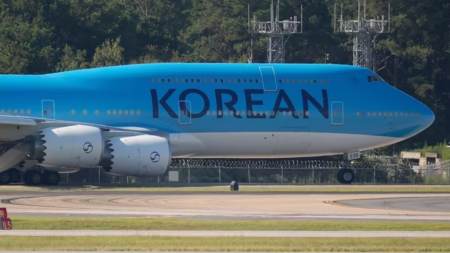
Korean Air recently completed a charter flight using a Boeing 747-8 to repatriate South Korean workers detained in Georgia. The airline’s fleet, one of the few still operating the Boeing 747 passenger variant, highlights its lasting partnership with Boeing. Korean Air’s 747s continue to serve critical routes from Seoul to major global cities.