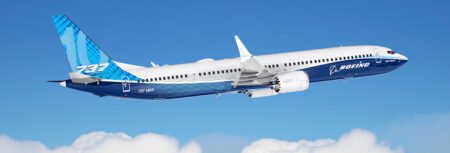
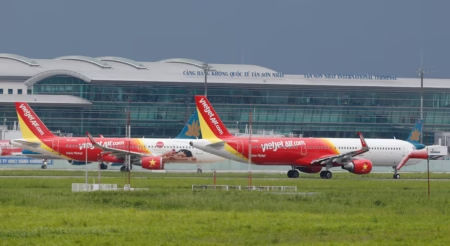
VietJet is set to receive its first Boeing 737 MAX 8, initiating the integration of 200 of these aircraft into its fleet. Starting with an order in 2016, VietJet navigated delays to adjust its fleet strategy amid ongoing U.S.-Vietnam tariff negotiations. The airline’s expansion, involving both Boeing and Airbus aircraft, underscores Vietnam’s significant $30 billion investment in the U.S.

Browsing: Boeing 737 MAX 10
In April 2023, Qatar Airways acquired Boeing 737 MAX aircraft originally destined for Russian clients due to international sanctions. While some of these planes have been delivered to Royal Air Maroc, others are undergoing livery changes. The acquisition stems from a prior disagreement with Airbus, which has since been resolved, leaving Qatar with more planes than it requires.
Boeing is adjusting its 737 MAX production strategy due to increased demand and a high order backlog, while competing with Airbus’s consistent performance. The company is navigating regulatory constraints and operational challenges in its attempt to boost output in 2025. Boeing’s success will depend on maintaining consistent quality and overcoming supply chain issues.
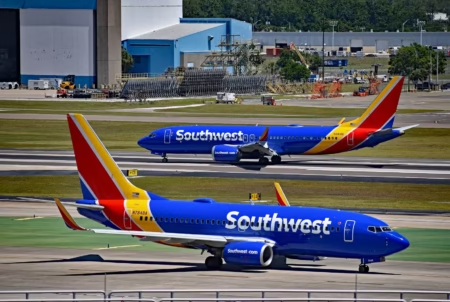
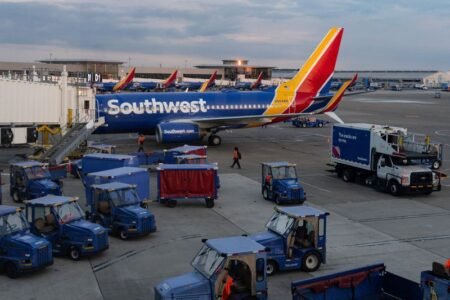
Southwest Airlines is expediting the retirement of its Boeing 737NG aircraft to transition to the more efficient 737 MAX fleet by 2031. This move is driven by desires for improved operational efficiency, cost savings, and meeting shareholder expectations. The shift involves complex considerations, including market dynamics, financial strategies, and public perceptions.
Southwest Airlines, traditionally a short-haul carrier, is exploring the introduction of long-haul flights, airport lounges, and widebody aircraft. This strategic shift aims to enhance profits and reposition the airline more competitively against legacy carriers. Recent interline agreements and business model overhauls reflect its new direction under Elliott Investment Management’s influence.
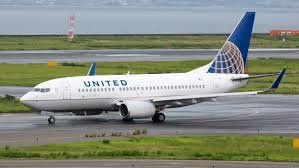
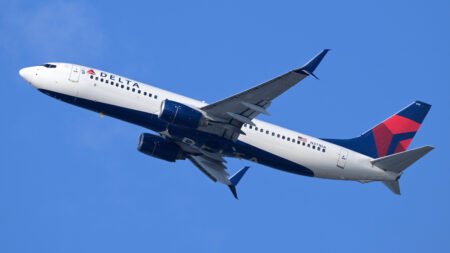
A United Airlines Boeing 737 flight made an emergency landing at Kansai International Airport due to a cockpit alert indicating a potential fire in the cargo hold. The aircraft, flying from Tokyo Narita to Cebu, landed safely with no fire detected during inspection. The incident led to temporary runway closures at the airport, but operations quickly resumed.
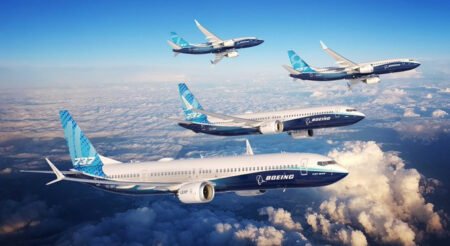
The Boeing 737-900, although part of a successful aircraft family, struggled to compete in sales against counterparts like the Airbus A321. Limited by small modifications over the 737-800 and restricted range, it fell short. The subsequent 737-900ER model addressed these issues but didn’t achieve comparable success. Boeing’s forthcoming 737 MAX 10 hopes to rival the A321neo effectively.
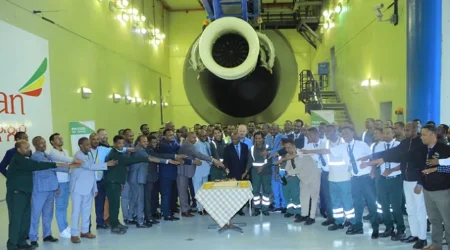
Ethiopian MRO Services has obtained the CFM Leap-1B PRSV1 capability, allowing for the restoration of engine performance to original specifications. This achievement is backed by approvals from Ethiopian and U.S. aviation authorities, distinguishing it among a few global facilities with such capability. The LEAP-1B engine powers the Boeing 737 MAX exclusively.
Boeing has achieved a major milestone in 2025 by delivering 385 aircraft by August, surpassing its entire 2024 delivery figure. Key deliveries included the Boeing 737 MAX and Boeing 787 Dreamliner. Despite competitive challenges, Boeing received 725 gross orders and maintained a robust backlog, demonstrating strong market growth.
The FAA is currently reviewing Boeing’s 737 MAX production cap, maintaining stringent oversight on assembly practices while the company works toward certification of the 737 MAX 7 and 10 variants. Past safety incidents have necessitated these production limits, impacting Boeing’s ability to fulfill large orders from major airlines. Future plans include increasing production capabilities upon resolving existing mechanical challenges.