Browsing: aviation technology

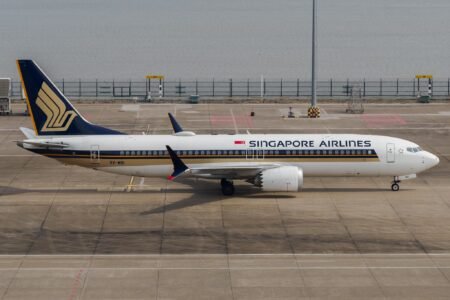
Singapore Airlines Boeing 737-8 MAX

Singapore Airlines has integrated the Boeing 737 MAX 8 into its regional routes, enhancing services with advanced cabin features. By 2025/26, this fleet will cover 26 destinations and constitute 24% of the airline’s flights, replacing older aircraft and improving passenger experiences with Wi-Fi and in-flight entertainment.
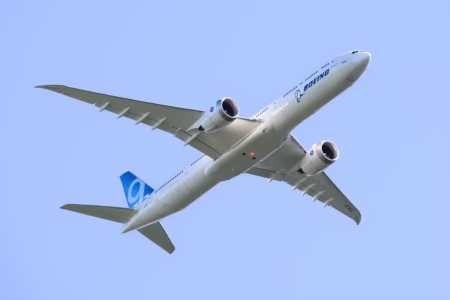
Why Boeing Didn't Equip the World's Longest Commercial Aircraft with Folding Wings

The Boeing 777X features folding wingtips for better airport compatibility and flight efficiency. Initially explored for earlier aircraft models, the technology was not adopted for the Boeing 747-8 due to design complexities. Instead, the 747-8 showcases raked wingtips enhancing its fuel efficiency without added complexity. Despite its advantages, the 747-8 faces declining passenger use as airlines prefer more efficient aircraft. Innovations like folding wingtips may play a more prominent role in future aircraft designs.

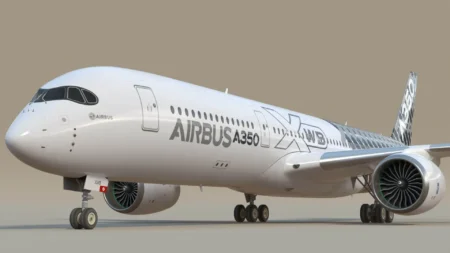
Unveiling the Airbus A350: The Ultimate Inflight Experience Explained

The Airbus A350 stands out in the aviation industry for its superior passenger experience, thanks to its spacious design, reduced noise levels, and advanced technology. With recent upgrades, the A350 maintains an edge over competitors like the Boeing 787, offering quieter cabins and better comfort, making it a preferred choice for long-haul flights.

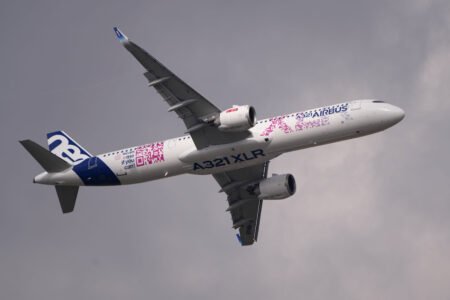
10 Longest Airbus A321XLR Flights That Reshape Global Travel

The Airbus A321XLR is revolutionizing global travel by enabling long-haul routes that stretch beyond eight hours, connecting lower-demand cities efficiently. Airlines are leveraging this aircraft to open new markets previously dependent on larger jets. Key routes include direct connections between Europe and North America, and new services from Europe to South America and the Caribbean.

Boeing E-4B

The US Air Force, alongside Sierra Nevada Corporation, has commenced testing of the E-4C Survivable Airborne Operations Center, which is designed to ensure command and control capabilities during emergencies. This next-generation aircraft, based on a modified Boeing 747-8, aims to replace the outdated E-4B Nightwatch fleet with superior technology and capabilities. Testing will continue through 2026, with full operational deployment expected by the mid-2030s.

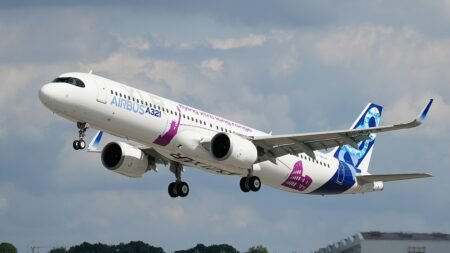
Airbus A321XLR: Exploring the Benefits and Risks of the Revolutionary Aircraft

The Airbus A321XLR is set to revolutionize long-haul flights with its extended range and efficiency, offering significant benefits for the airline industry. It presents economic and environmental advantages by bridging the gap between traditional narrowbody and widebody aircraft. However, it also brings risks such as potential overutilization and challenges in managing airport slots for long-haul operations.