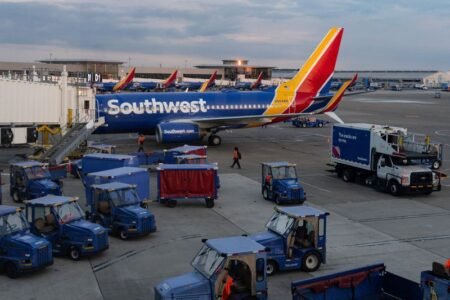
Southwest Airlines, traditionally a short-haul carrier, is exploring the introduction of long-haul flights, airport lounges, and widebody aircraft. This strategic shift aims to enhance profits and reposition the airline more competitively against legacy carriers. Recent interline agreements and business model overhauls reflect its new direction under Elliott Investment Management’s influence.
Browsing: Aviation Strategy
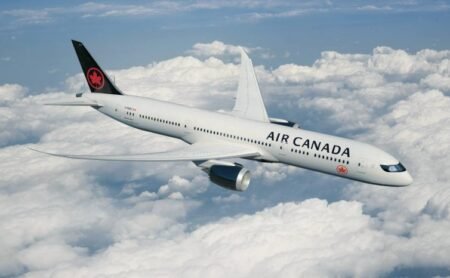
Air Canada explored the possibility of switching future aircraft orders from Boeing 787 to Airbus A350 due to tariff concerns, yet such a move is deemed unlikely. The Boeing 787 is crucial for Air Canada’s fleet strategy, providing fuel efficiency and meeting increasing passenger demand. Exemptions and a strategic focus on fleet renewal favor maintaining current orders.
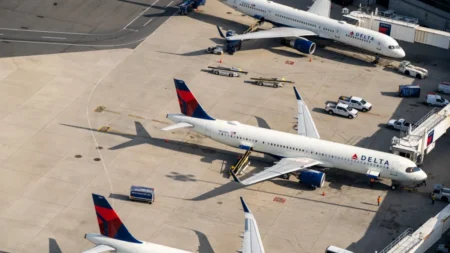
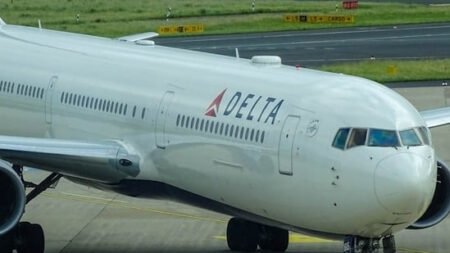
Delta Air Lines is intensifying its operations at Austin-Bergstrom International Airport by launching a daily nonstop flight to Miami and investing significantly in infrastructure and staffing. This expansion includes increasing daily flights to 150 and establishing a large Delta Sky Club, all while enhancing its partnership with LATAM to improve Latin American connectivity.
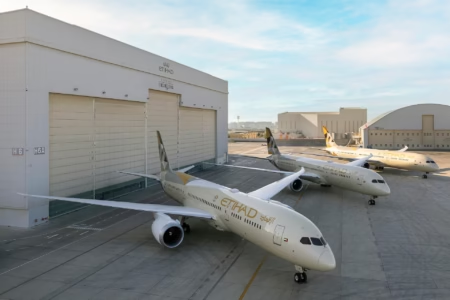
Etihad Airways has expanded its fleet by nearly 40% over the past three years, strengthening its competitive stance among Gulf carriers. The airline’s growing fleet includes a mix of Airbus and Boeing aircraft, aimed at enhancing range capabilities and fuel efficiency. Despite being smaller than its regional counterparts, Etihad is focused on strategic fleet composition for operational and market success.
Delta Air Lines has decided to end its service between Austin and Midland, Texas, effective November 2025, due to insufficient passenger demand. The route’s average load factors were below 60%, making it unsustainable amid industry trends focusing on profitability. Meanwhile, Delta shifts its strategy toward higher-demand routes out of Austin, maintaining a focus on premium travel segments.
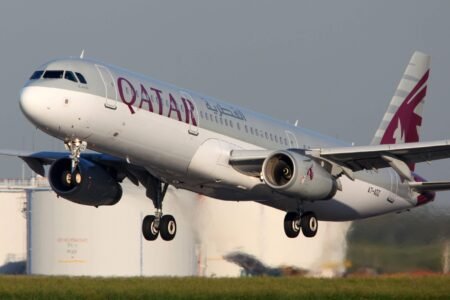
Qatar Airways is launching high-density Airbus A321neo aircraft, optimizing for economy class across select routes starting next month. This move, away from its usual premium-heavy services, aims to meet growing customer demand. The new aircraft feature a configuration that supports 236 passengers, close to the model’s maximum capacity, marking a significant operational shift.
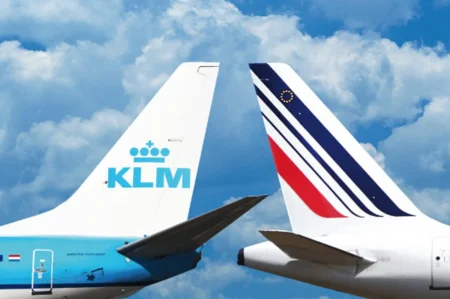
Air France-KLM oversees four airlines, each with varying levels of success. While Air France and KLM show positive progress through modernization and reliability, Transavia benefits from the low-cost travel demand. However, Air France HOP struggles with competitive challenges, highlighting the complexities faced by the group under Ben Smith’s leadership.
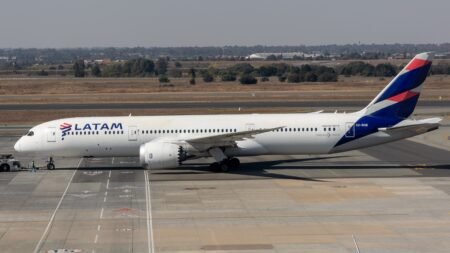
Latam Airlines Group, South America’s largest airline, has maintained its pre-pandemic cost structure with non-fuel seat kilometer costs holding at 4.8 U.S. cents, almost unchanged from 2019. This article examines the strategies and circumstances that have allowed Latam to sustain such cost efficiency.