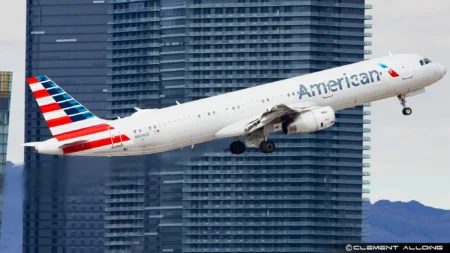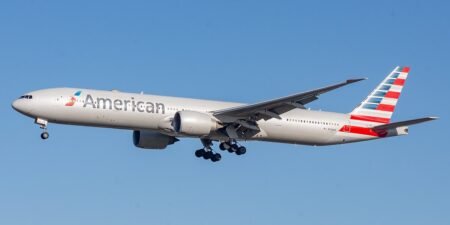

The leading U.S. airlines—United, American, and Delta—play significant roles in international travel, with United leading in six out of ten major markets. United’s strong presence is partly because of extensive long-haul routes, whereas Delta’s prominence in Africa is unmatched. The big three collectively manage 41% of U.S. international flights.
Browsing: American Airlines
In 2025, Dallas/Fort Worth International Airport will operate several long-haul flights over 5,000 miles, dominated by Qantas and American Airlines. Key routes include Dallas to Melbourne and Sydney, with advanced aircraft like the Boeing 787-9 and Airbus A380. American Airlines’ expansion and influence at Dallas reflect continued global aviation connectivity.
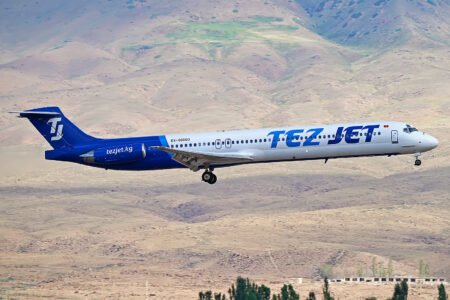
The McDonnell Douglas MD-80, affectionately known as the “Mad Dog,” was renowned for its distinct cabin noise and vintage style. Despite being technologically outdated, it maintained significant operational presence until 2020. American Airlines played a significant role in its adoption, contributing to its legacy as an iconic aircraft in commercial aviation history.
An American Airlines flight attendant at Fort Worth Airport considers leaving the airline due to concerns about its reputation. While weighing a move to Delta or United, the attendant faces the challenge of losing seniority and stable career progression. High morale depends on clear leadership and a shared mission, areas where AA is currently lacking.
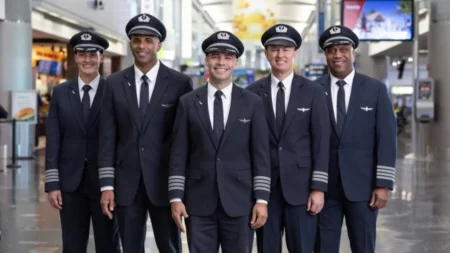
American Airlines provides competitive salaries for its pilots in 2024, with First Officers earning between $110,000 and $230,000 and Captains starting at $309,000 annually. The airline also offers extensive benefits, including retirement plans and comprehensive insurance. Future pilots can join American Airlines through their Cadet Academy, with numerous bases and fleets across the U.S.
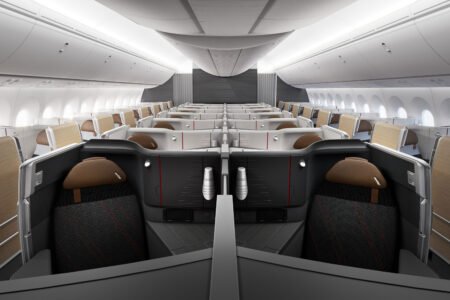
American Airlines plans to phase out its Flagship First class due to economic inefficiencies and growing investments in business class. While competitors have already eliminated first class, American adapts by introducing the Flagship Suite, a new cabin product featured on its Boeing 787-9 Dreamliners and A321XLR fleet. The move reflects a broader industry trend toward enhanced business and premium economy offerings, optimizing seat availability and passenger comfort.
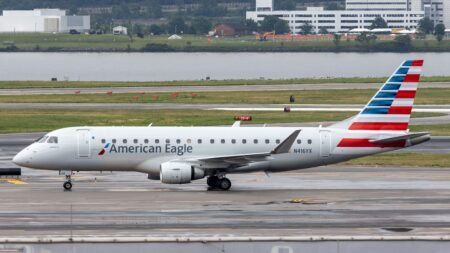
American Airlines is set to launch a new route between Miami International Airport and South Bimini Airport in the Bahamas in February, using Embraer E175 aircraft under the American Eagle brand. The thrice-weekly service enhances American Airlines’ network in the Bahamas, marking Bimini as its seventh destination in the region. This route offers a unique nonstop service to Bimini from the United States, with added connectivity through Miami’s hub.
American Airlines is conducting flights between Philadelphia and Edinburgh with an Airbus A321neo, primarily for pilot training purposes. These flights are part of the airline’s broader strategy to prepare for future A321XLR operations. Concurrently, American Airlines continues regular service on this route with its Boeing 787 aircraft.
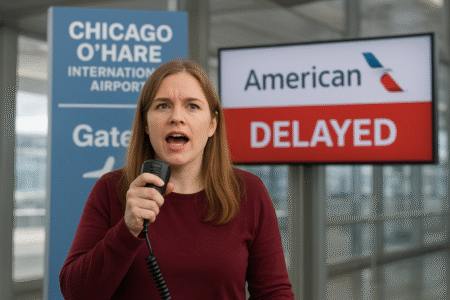
A frustrated passenger at Chicago O’Hare took over the airport’s PA system to protest the lack of communication during an American Airlines delay. Despite investments in amenities and infrastructure, airlines face criticism over inadequate frontline service and communication. The incident highlights the passengers’ growing demand for better updates and accountability during disruptions.
American Airlines faced criticism for downgrading a business class passenger in favor of the wife of a retiring pilot, causing debates over fairness and airline priorities. This action raises broader questions about how airlines balance tradition versus passenger rights, highlighting ongoing shifts in upgrade practices within the industry.