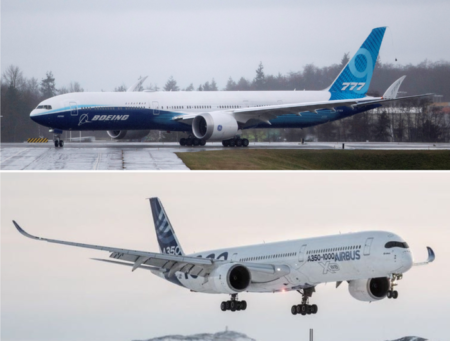
Emirates Airline has strategically opted for the Boeing 777X over additional Airbus A350s to accommodate high passenger volumes vital for its business model centered in Dubai. Despite having orders for the A350-900, the 777X serves as a cornerstone in replacing older models and the A380 due to its size and efficiency advantages.

Browsing: Airline Fleet Strategy
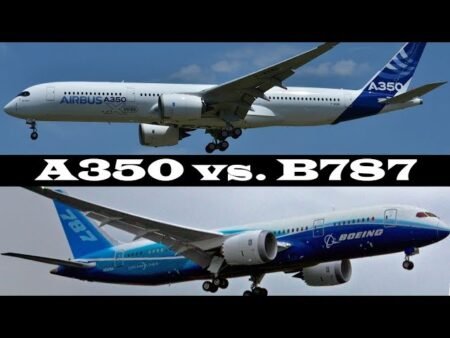
Delta Air Lines canceled its inherited Boeing 787 orders, acquired during the merger with Northwest Airlines, prioritizing Airbus aircraft for fleet uniformity and cost-efficiency. Despite rumors of future Boeing 787-10 orders, Delta’s current strategy leans towards expanding its Airbus fleet, particularly the A350 models, for international expansion.
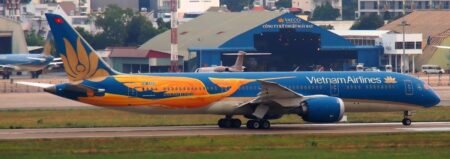
Vietnam Airlines is working towards a modern and efficient fleet by 2025. As a member of the SkyTeam alliance, its strategy focuses on incorporating fuel-efficient aircraft and phasing out older models. Vietnam Airlines aims to enhance passenger experience and remain competitive in the Southeast Asian aviation market.
Delta Air Lines’ current strategy involves operating an all-Airbus widebody fleet, primarily due to fuel efficiency and sustainability goals, but rumors suggest possible plans to incorporate the Boeing 787-10. This potential addition would provide fleet diversity and optimal solutions for specific routes, allowing for strategic flexibility and operational resilience against delivery disruptions.
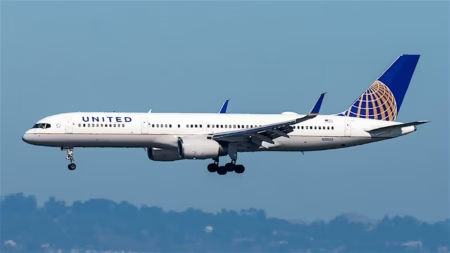
United Airlines has strategically retired its aging Boeing 757 fleet in favor of more modern aircraft, such as the Airbus A321XLR and Boeing 737 MAX 10, to enhance fuel efficiency and reduce maintenance costs. The decision was influenced by long-standing operational principles, engine performance, and fleet standardization needs. The legacy 757, a key component in United’s operations for three decades, is being phased out as the airline moves towards next-generation airliners.