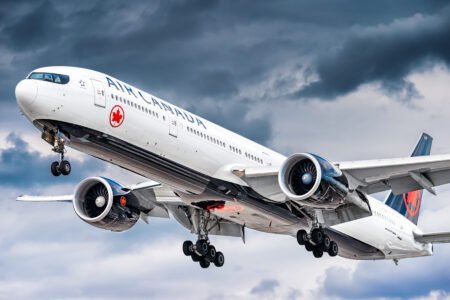
Air Canada leads the trans-Atlantic travel market with its extensive European network. London Heathrow emerges as the most popular destination, with Toronto as the primary origin. Competition is fierce with major European carriers, yet strategic alliances and new route plans, including flights to Catania and Palma de Mallorca, highlight Air Canada’s growth strategy.
Browsing: Airline Competition
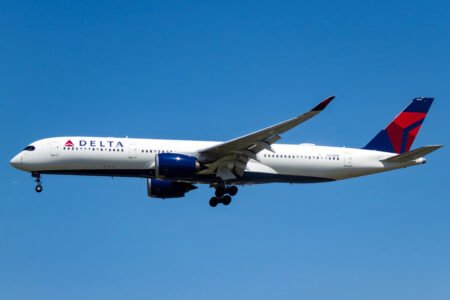
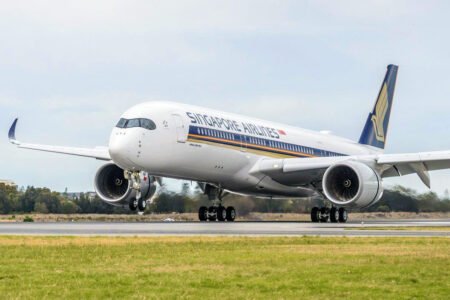
Singapore Airlines is the largest operator of the Airbus A350, servicing an extensive network of long-haul routes including the world’s longest nonstop commercial flight from Singapore to JFK. The airline uses specially configured A350-900ULRs for ultra-long-haul flights and also operates extensively on US West Coast routes and European destinations. With 65 A350s, Singapore Airlines leads globally in A350 operations.
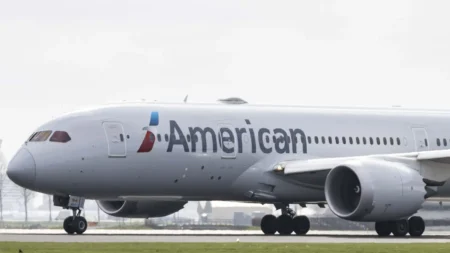
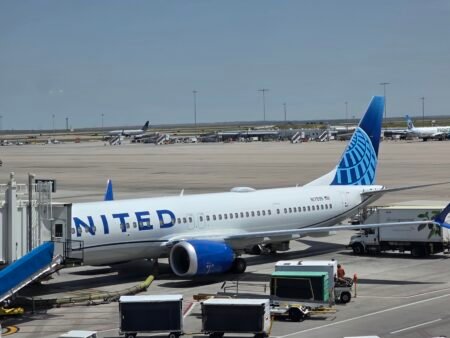
American Airlines is striving to compete as a premium carrier amid high operational costs and a market heavily dominated by Delta and United. To succeed, it must capture high-yield passengers through strategic investments in service enhancements and cultural shifts within the company, while overcoming limitations from airport slot constraints and government policies.
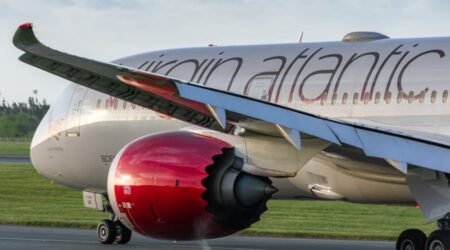
Virgin Atlantic Airways will resume flights to Pakistan in October 2025, reconnecting London Heathrow with Karachi, Islamabad, and Lahore via Riyadh. This move follows approval from the Pakistan Civil Aviation Authority and aims to expand the airline’s long-haul presence in South Asia, addressing high demand from the UK-based Pakistani community. Virgin Atlantic’s re-entry also increases competition in the region, providing more travel options and pricing flexibility.
Delta Air Lines emphasizes economy class as vital for growth, while American Airlines focuses on premium enhancements. To compete effectively, American must address the entire passenger journey by elevating economy cabin offerings and fostering a service culture across all classes to build long-term loyalty.
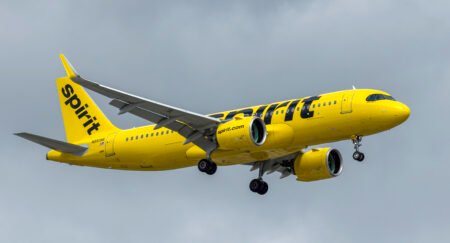
Spirit Airlines has seen a significant decline from a highly profitable airline in the 2010s to one struggling with bankruptcy in the 2020s. Key factors, such as operational inefficiencies, increased competition, and poor customer service, have contributed to its financial distress. Survival strategies may include operational improvements and cost-cutting measures.
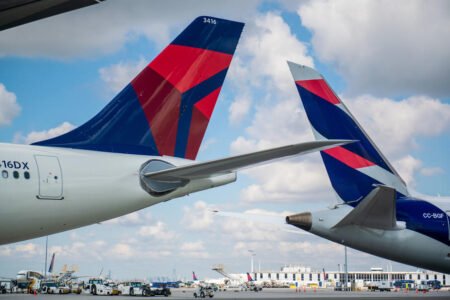
Delta Air Lines is launching a new daily service between Austin-Bergstrom International Airport and Miami International Airport starting November 22. This move is part of Delta’s broader expansion efforts in Austin, amid fierce competition from American Airlines, Frontier Airlines, and Southwest Airlines. Delta plans to enhance its Austin operations with additional destinations and increased frequencies on existing routes.
United Airlines CEO Scott Kirby claims American Airlines is losing $800 million annually at Chicago O’Hare, a figure disputed for lack of evidence. The rivalry reflects broader competitive tensions, impacting market share dynamics. Without concrete data, Kirby’s assertion remains speculative.
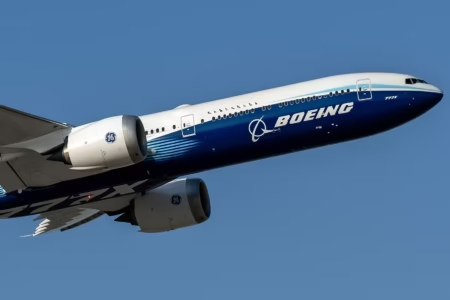
The Boeing 777X series, with its wider fuselage and higher passenger capacity, challenges the Airbus A350 XWB in the competitive widebody market. The 777X offers ten-abreast seating, which appeals to airlines seeking increased economy class capacity, while the A350 remains limited to nine-abreast configurations. Airbus is updating its A350 with features like thinner sidewalls to improve market standing.
Delta Air Lines is expanding at Austin-Bergstrom International Airport, aiming for 150 daily flights and significant infrastructure investments. This move presents a competitive challenge to Southwest Airlines. The expansion includes securing 15 gates, enhancing staffing, and boosting passenger capacity, alongside significant lounge developments and strategic partnerships for increased connectivity.