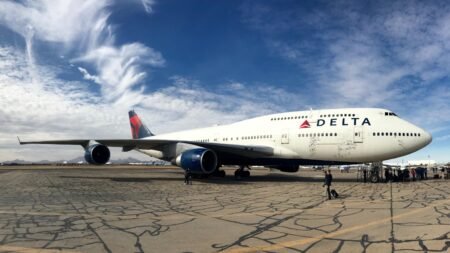
Delta Air Lines experienced a remarkable resurgence of the Boeing 747, known as the “Queen of the Skies,” in its final years. This iconic aircraft, which became a beloved choice among travelers, was eventually replaced by the more efficient Airbus A350-900. Despite its retirement, the 747’s legacy continues to influence Delta’s modern operations.

Browsing: Aircraft Retirement
Lufthansa Group is set to retire six types of its widebody aircraft by 2030 as part of a strategic fleet simplification. This shift, affecting major subsidiaries, will enhance operational efficiency, reduce costs, and improve environmental sustainability. The group will focus on modern, efficient models such as the Airbus A350, Boeing 787, and Boeing 777X.
The Indian Air Force has officially retired its MiG-21 Bison fighter jets, concluding a significant chapter after 62 years of service. With its retirement on September 26, 2025, the IAF reflects on the MiG-21’s pivotal role in advancing India’s aerial defense. The focus now shifts to modernizing the fleet with advanced fighters such as the MiG-29 and the indigenous Tejas jets.
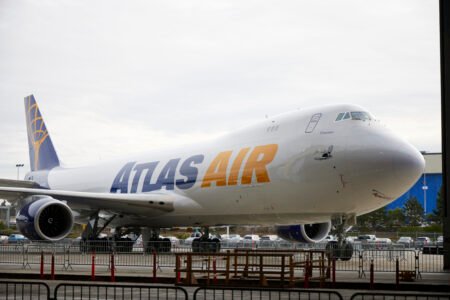
Boeing terminated the production of the 747 in early 2023, ending a substantial chapter in aviation history. Despite the cessation of its manufacturing, over 300 of these aircraft remain active globally by 2025. While many have transitioned to freight transport, some airlines continue using them for passenger travel.
Delta Air Lines is phasing out its Boeing 767-300ER fleet by 2030 due to aging aircraft, inefficiency, and maintenance costs. The airline is replacing them with more fuel-efficient models like Airbus A350s and A330neos, optimizing their long-haul service. This transition aligns with Delta’s modernization strategy and environmental goals.
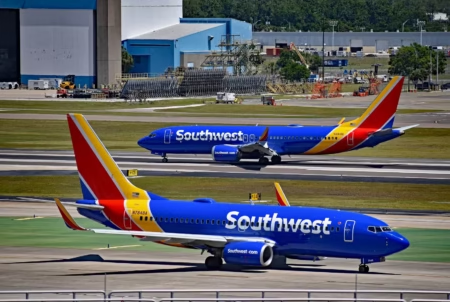
Southwest Airlines is expediting the retirement of its Boeing 737NG aircraft to transition to the more efficient 737 MAX fleet by 2031. This move is driven by desires for improved operational efficiency, cost savings, and meeting shareholder expectations. The shift involves complex considerations, including market dynamics, financial strategies, and public perceptions.
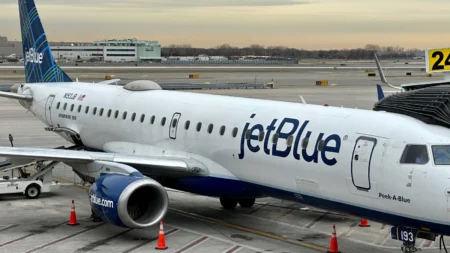
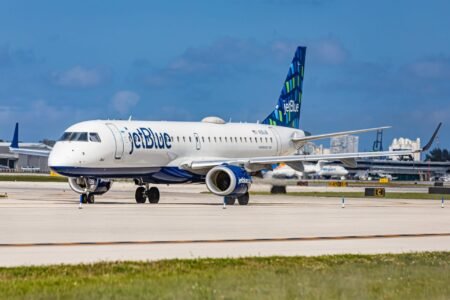
JetBlue has retired its last Embraer E190, concluding its transition to an all-Airbus fleet. The E190s, instrumental since 2005, facilitated JetBlue’s entry into smaller markets. The shift to the Airbus A220-300 is driven by operational efficiency, with significant fuel savings and increased seat capacity.
JetBlue Airways has retired its Embraer E190 fleet, completing its transition to an all-Airbus lineup led by the A220-300. This move is part of JetBlue’s efforts to improve operational efficiency and passenger comfort. The A220 aircraft will allow JetBlue to explore new routes with better fuel efficiency and lower operating costs.
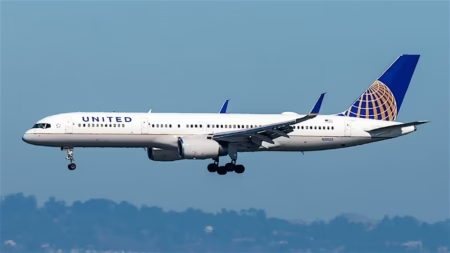
United Airlines has strategically retired its aging Boeing 757 fleet in favor of more modern aircraft, such as the Airbus A321XLR and Boeing 737 MAX 10, to enhance fuel efficiency and reduce maintenance costs. The decision was influenced by long-standing operational principles, engine performance, and fleet standardization needs. The legacy 757, a key component in United’s operations for three decades, is being phased out as the airline moves towards next-generation airliners.