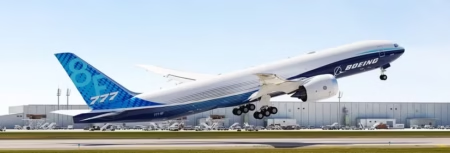
The Boeing 777-8F marks a significant advance in air freight, with production starting in 2023 and aimed for 2028 entry. It offers enhanced efficiency and meets regulatory demands, holding 59 orders from major carriers. Boeing seeks to deliver against a backlog of 93 freighters while adhering to the ICAO’s emissions deadline, presenting the 777-8F as a key player in future market competitiveness.
Browsing: Aircraft Production
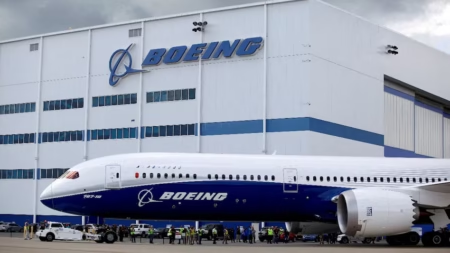
The FAA has reinstated Boeing’s authority to issue airworthiness certificates for certain 737 MAX and 787 jets on alternating weeks beginning September 29. This decision marks a positive step for Boeing amid past safety concerns, although it does not immediately affect production rates. Investor confidence has risen, reflecting expectations for improved delivery schedules.
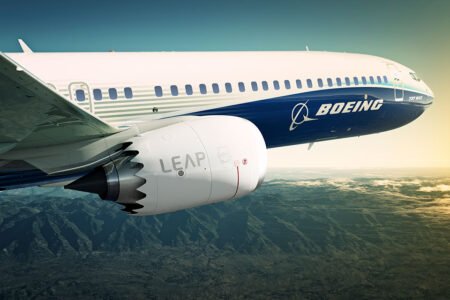
Boeing’s challenges with the 737 MAX have led to an intense focus on increasing production to meet market demands. With plans to raise monthly output, push for FAA approvals, and manage its 787 Dreamliner deliveries, Boeing aims to overcome past issues. The company’s strategies reflect its drive to restore confidence and address its production backlog but require careful quality control and supply chain management.
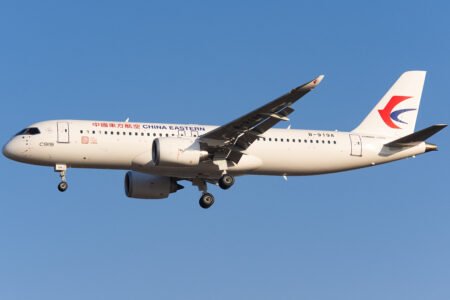
Comac has significantly reduced its delivery targets for the C919 narrowbody jet due to production slowdowns. Originally planning 75 deliveries by 2025, the target is now 25 aircraft, a reduction caused by supply chain constraints and trade-related export bans. Current orders remain domestic, while international interest gathers, pending further developments.
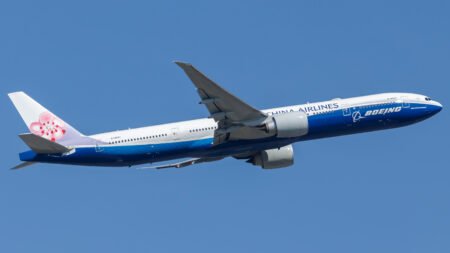
Boeing has potentially concluded production of its 777-300ER, transitioning focus exclusively to the 777X variant. Meanwhile, the company navigates certification challenges for the 737 Max 7 and Max 10, having requested temporary FAA exemptions to implement crucial safety updates across its fleet.
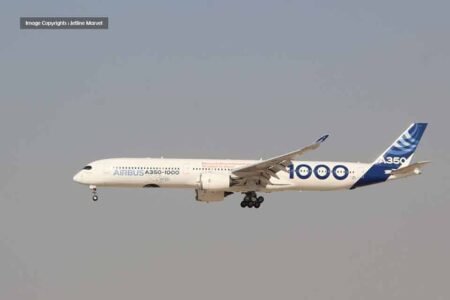
The Airbus A350, highly sought for its advanced design, faces production challenges exacerbated by supply chain constraints. Airbus aims to enhance A350 monthly output by 2026, though current shortages result in targets being missed. With significant demand, the A350’s future production remains uncertain, posing challenges for airlines dependent on timely deliveries.
Embraer is facing an indefinite strike by metalworkers at its Brazilian plant since September 17, 2025. The workers seek wage increases and improved labor agreements. Despite the strike, Embraer’s operations continue unaffected, with the company maintaining its year-end production targets. This labor action reflects broader trends of unrest within the aviation industry as workers push for better conditions amid high demand and inflationary pressures.
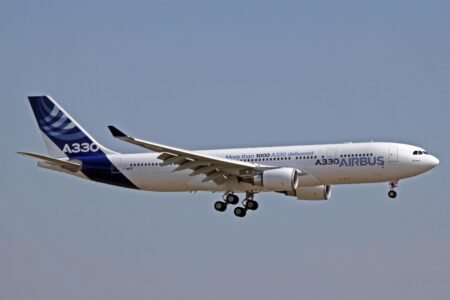
Airbus produces the A330 at a rate of four units per month, a figure that is set to increase by 2029. While this makes the A330 the least-produced Airbus model, significant orders and innovation keep it competitive. Delta Air Lines remains the largest operator of A330 aircraft, leveraging them across international routes.
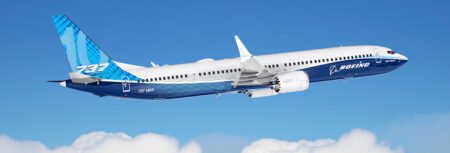
Boeing is adjusting its 737 MAX production strategy due to increased demand and a high order backlog, while competing with Airbus’s consistent performance. The company is navigating regulatory constraints and operational challenges in its attempt to boost output in 2025. Boeing’s success will depend on maintaining consistent quality and overcoming supply chain issues.
The FAA is currently reviewing Boeing’s 737 MAX production cap, maintaining stringent oversight on assembly practices while the company works toward certification of the 737 MAX 7 and 10 variants. Past safety incidents have necessitated these production limits, impacting Boeing’s ability to fulfill large orders from major airlines. Future plans include increasing production capabilities upon resolving existing mechanical challenges.