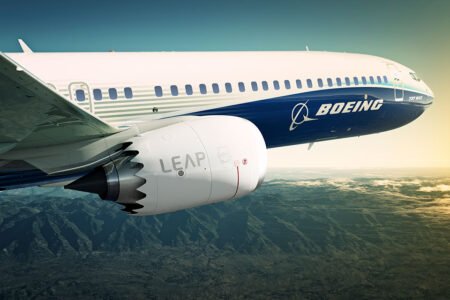
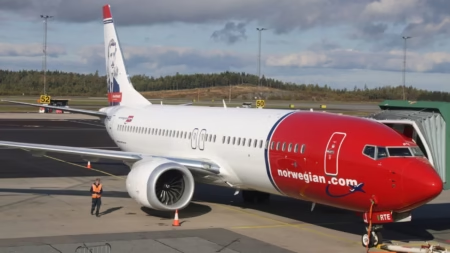
Norwegian has expanded its fleet by ordering 30 more Boeing 737 MAX 8 jets, bolstering its total to 80 aircraft by 2031. This order is a part of Norwegian’s strategic focus on fleet modernization, improved passenger experience, and sustainability. The airline also secures operational resilience with new spare engines amid discussions on new aircraft models.
Browsing: Aircraft Orders
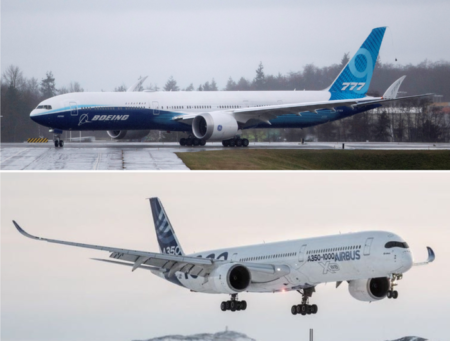
Emirates Airline has strategically opted for the Boeing 777X over additional Airbus A350s to accommodate high passenger volumes vital for its business model centered in Dubai. Despite having orders for the A350-900, the 777X serves as a cornerstone in replacing older models and the A380 due to its size and efficiency advantages.
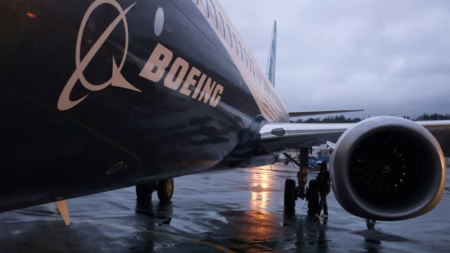
Boeing’s challenges with the 737 MAX have led to an intense focus on increasing production to meet market demands. With plans to raise monthly output, push for FAA approvals, and manage its 787 Dreamliner deliveries, Boeing aims to overcome past issues. The company’s strategies reflect its drive to restore confidence and address its production backlog but require careful quality control and supply chain management.
Delta Air Lines canceled its inherited Boeing 787 orders, acquired during the merger with Northwest Airlines, prioritizing Airbus aircraft for fleet uniformity and cost-efficiency. Despite rumors of future Boeing 787-10 orders, Delta’s current strategy leans towards expanding its Airbus fleet, particularly the A350 models, for international expansion.
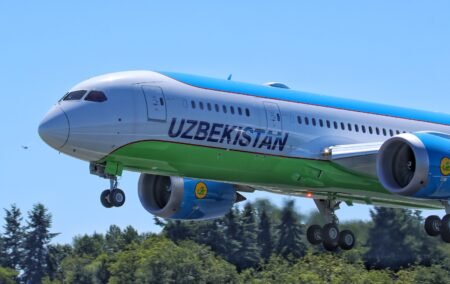
Uzbekistan Airways has announced an unprecedented order for up to 22 Boeing 787-9 Dreamliners. This deal, which includes firm orders and options, aims to modernize the airline’s fleet and enhance its international network capabilities. The order was celebrated at the United Nations General Assembly and highlights Uzbekistan Airways’ strategy to position Tashkent as a key transit hub in Asia.
Boeing and Lockheed Martin are anticipated to finalize a major deal with Turkish Airlines for 250 commercial planes and F-16 fighter jets. This potential agreement, which may be announced during President Erdogan’s visit to Washington, aligns with Turkish Airlines’ expansion plans, seeking to enhance Istanbul’s global aviation presence. Additionally, the deal could influence US-Turkey relations regarding the F-35 program debacle.
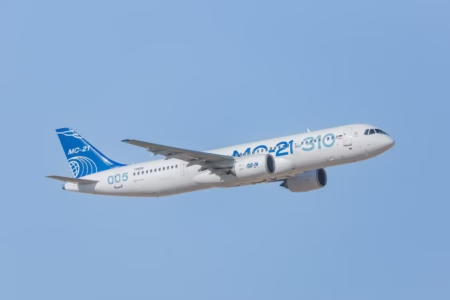
Aeroflot is set to enhance its fleet by ordering 90 additional Yakovlev MC-21 aircraft by the end of 2025, focusing on domestic production due to Western sanctions. The goal is a fleet expansion to 460 aircraft by 2030, with 50% domestic planes. Certification and manufacturing challenges continue for Russia’s aviation sector.
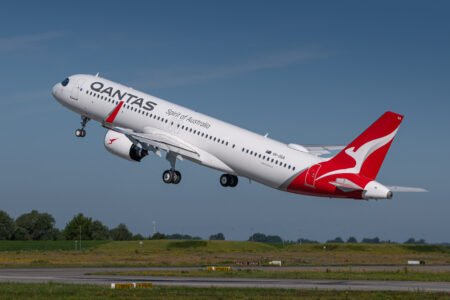
Qantas Airways has expanded its Airbus A321XLR order from 20 to a total of 40 aircraft to enhance its fleet’s efficiency and range capabilities. This move supports Qantas’s strategy to modernize its fleet with fuel-efficient planes, offering potential for expanded routes and better economic performance.
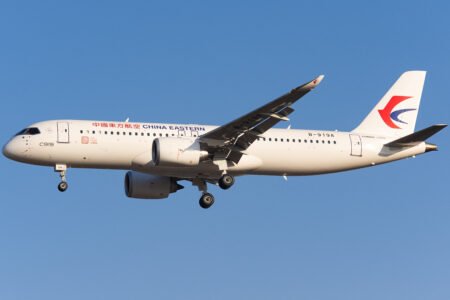
The COMAC C919 is poised to potentially secure its first international customer through negotiations with Malaysia’s AirAsia. This development could significantly bolster the aircraft’s global reputation. Concurrently, Ryanair is evaluating the C919 for its fleet, contingent on competitive pricing. Domestically, the COMAC C919 continues to grow, with Chinese airlines scheduling extensive flights and expanding their orders.
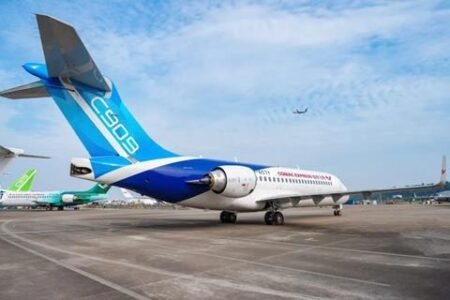
Air Cambodia has made a preliminary deal with the Commercial Aircraft Corporation of China (COMAC) to acquire up to 20 C909 regional jets, enhancing the airline’s fleet. This move positions Cambodia alongside other Southeast Asian countries choosing COMAC jets, as COMAC attempts to compete with Airbus and Boeing. The C909 jets will improve Air Cambodia’s operational efficiency on short to medium-haul routes while supporting growing regional passenger demand.