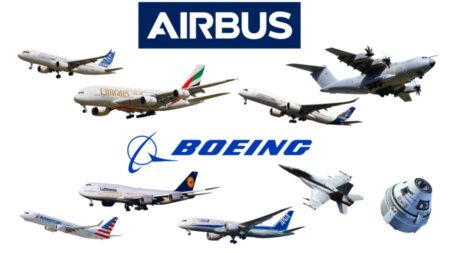
The longstanding rivalry between Airbus and Boeing has driven significant advancements in the aviation industry. Airbus, having entered later, now competes fiercely with Boeing across short-haul and long-haul aircraft categories. Despite successes like the A320neo, both manufacturers face future technological and production challenges. As new competitors like Comac emerge, the aerospace industry may witness shifts in this dominant duopoly.
Browsing: Airbus vs Boeing
In 2025, Lockheed Martin and Boeing continue to compete fiercely in the military aircraft sector. Lockheed dominates with its F-35 program, while Boeing excels in tankers and bombers. Government procurement decisions and ongoing technological developments shape this dynamic landscape, with Lockheed currently leading in exports but Boeing holding strong in innovation and future program involvement.
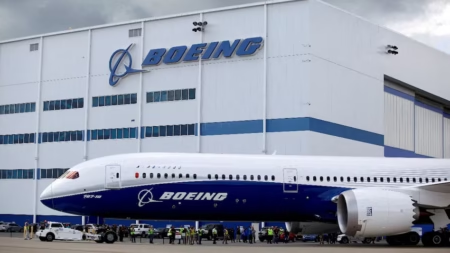
The FAA has reinstated Boeing’s authority to issue airworthiness certificates for certain 737 MAX and 787 jets on alternating weeks beginning September 29. This decision marks a positive step for Boeing amid past safety concerns, although it does not immediately affect production rates. Investor confidence has risen, reflecting expectations for improved delivery schedules.
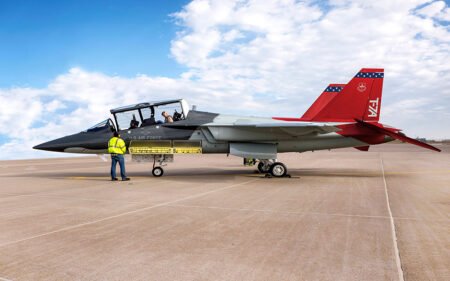
Boeing has unveiled a video detailing the progress of the T-7A Red Hawk’s flight testing, designed for modern pilot training using digital technologies. The aircraft, replacing the older T-38 Talon, features advanced avionics and integrated simulations to enhance pilot readiness and system safety. With several test units already delivered, the project is advancing through its development stages, promising further efficiencies and adaptability in military training operations.
Boeing’s stock rose by 2% following reports of a potential order from China for up to 500 jets, marking the end of a significant period without Chinese orders. Such a deal would enhance Boeing’s production and financial stability, benefitting earnings and backlog. Analysts remain generally optimistic about Boeing despite recent stock fluctuations.
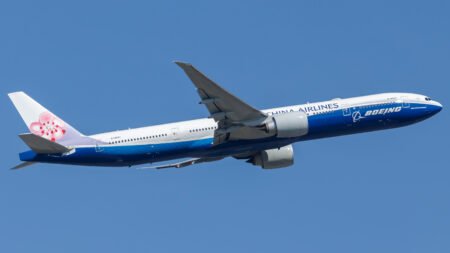
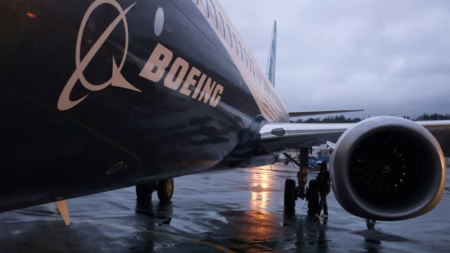
Boeing has potentially concluded production of its 777-300ER, transitioning focus exclusively to the 777X variant. Meanwhile, the company navigates certification challenges for the 737 Max 7 and Max 10, having requested temporary FAA exemptions to implement crucial safety updates across its fleet.
Boeing and Lockheed Martin are anticipated to finalize a major deal with Turkish Airlines for 250 commercial planes and F-16 fighter jets. This potential agreement, which may be announced during President Erdogan’s visit to Washington, aligns with Turkish Airlines’ expansion plans, seeking to enhance Istanbul’s global aviation presence. Additionally, the deal could influence US-Turkey relations regarding the F-35 program debacle.
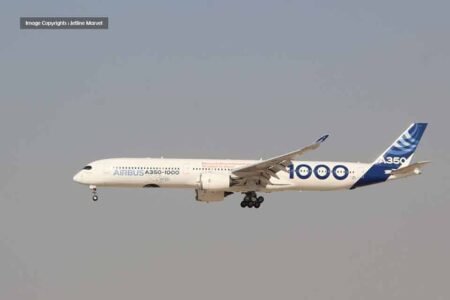
The Airbus A350, highly sought for its advanced design, faces production challenges exacerbated by supply chain constraints. Airbus aims to enhance A350 monthly output by 2026, though current shortages result in targets being missed. With significant demand, the A350’s future production remains uncertain, posing challenges for airlines dependent on timely deliveries.