Japan Airlines is launching a comprehensive fleet transformation strategy by 2030, primarily focusing on increasing sustainability and expanding international routes. With a shift towards more fuel-efficient aircraft and strategic fleet replacements, JAL aims to increase operational efficiency and reduce its carbon footprint, aligning with its long-term environmental goals.
Browsing: Airbus A350
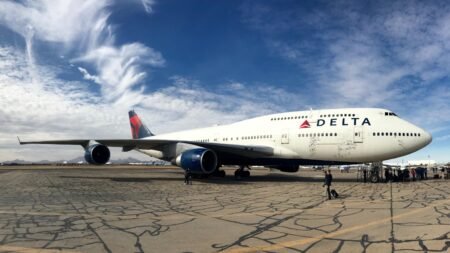
Delta Air Lines experienced a remarkable resurgence of the Boeing 747, known as the “Queen of the Skies,” in its final years. This iconic aircraft, which became a beloved choice among travelers, was eventually replaced by the more efficient Airbus A350-900. Despite its retirement, the 747’s legacy continues to influence Delta’s modern operations.
American Airlines is planning to modernize its fleet by 2025, replacing the aging Boeing 777-200ER with more advanced Boeing 787 Dreamliners. The shift focuses on enhancing fuel efficiency and passenger comfort. While Airbus’ A350 could present competition, Boeing remains the favored choice.
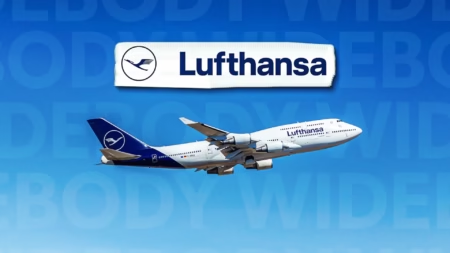
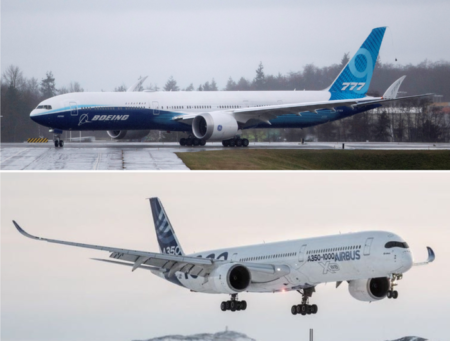
Lufthansa Group is set to retire six types of its widebody aircraft by 2030 as part of a strategic fleet simplification. This shift, affecting major subsidiaries, will enhance operational efficiency, reduce costs, and improve environmental sustainability. The group will focus on modern, efficient models such as the Airbus A350, Boeing 787, and Boeing 777X.
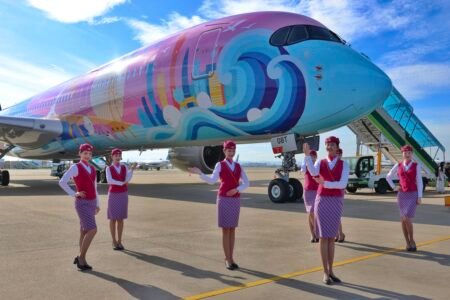
China Southern Airlines has unveiled a breathtaking new livery on its Airbus A350, adorned with 48 vivid colors to celebrate the 15th National Games. The aircraft, marked by a design featuring landmarks from the Guangdong-Hong Kong-Macao Greater Bay Area, marks a significant cultural moment with flights across China’s domestic network.
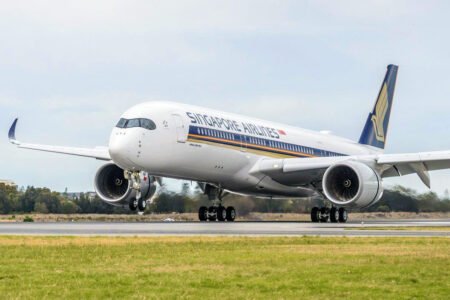
Singapore Airlines is the largest operator of the Airbus A350, servicing an extensive network of long-haul routes including the world’s longest nonstop commercial flight from Singapore to JFK. The airline uses specially configured A350-900ULRs for ultra-long-haul flights and also operates extensively on US West Coast routes and European destinations. With 65 A350s, Singapore Airlines leads globally in A350 operations.
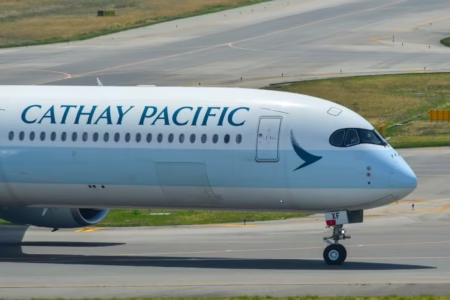
Cathay Pacific’s strategic focus for 2026-2035 involves maturing new routes and forming partnerships to enter emerging markets. By enhancing its dual-brand strategy with HK Express and increasing service frequency to destinations like Riyadh, the airline aims to expand its network. Concurrently, Cathay Pacific plans to modernize its fleet with new aircraft, including Boeing 777-9s and Airbus A330neos, as it navigates geopolitical challenges impacting route development.
Delta Air Lines is considering adding the Boeing 787-10 to its widebody fleet, disrupting its primarily Airbus lineup. The integration aims to replace aging Boeing 767s and cater to medium to long-haul routes while ensuring fleet diversification. This strategic move enhances operational flexibility amidst potential delivery constraints from Airbus.
Emirates Airline has strategically opted for the Boeing 777X over additional Airbus A350s to accommodate high passenger volumes vital for its business model centered in Dubai. Despite having orders for the A350-900, the 777X serves as a cornerstone in replacing older models and the A380 due to its size and efficiency advantages.
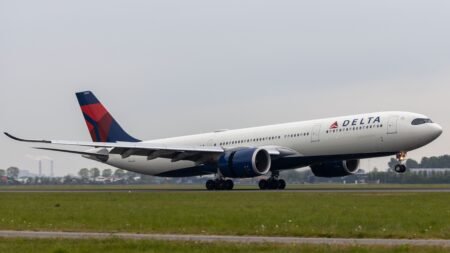
Delta Air Lines, the second-largest US airline by fleet size, boasts a significant widebody presence with the Airbus A330 family. The A330 series, led by the A330neo, plays a vital role in Delta’s operations with multiple configurations across its three variants. Complementing the A330s, Delta also operates Boeing 767s and Airbus A350s, although plans are in place to retire older 767 models by 2030.