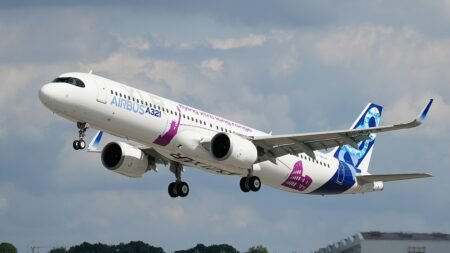
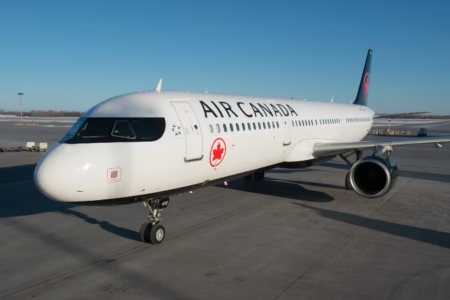
Air Canada has announced the launch of its new, nonstop service from Montréal to Palma de Mallorca using the Airbus A321XLR starting in 2026. This route showcases Air Canada’s strategy of utilizing the A321XLR’s extended range for niche international markets, allowing for premium travel experiences. Tickets are already available, and further expansions to other international routes are planned.

Browsing: Airbus A321XLR
United Airlines has strategically retired its aging Boeing 757 fleet in favor of more modern aircraft, such as the Airbus A321XLR and Boeing 737 MAX 10, to enhance fuel efficiency and reduce maintenance costs. The decision was influenced by long-standing operational principles, engine performance, and fleet standardization needs. The legacy 757, a key component in United’s operations for three decades, is being phased out as the airline moves towards next-generation airliners.
The Airbus A321XLR is set to revolutionize long-haul flights with its extended range and efficiency, offering significant benefits for the airline industry. It presents economic and environmental advantages by bridging the gap between traditional narrowbody and widebody aircraft. However, it also brings risks such as potential overutilization and challenges in managing airport slots for long-haul operations.
American Airlines is performing 20 transatlantic training flights from Philadelphia to Edinburgh with an Airbus A321neo, aimed at certifying check airmen for future use of the Airbus A321XLR. These flights, running from September 4 to September 24, 2025, are a significant investment in pilot certification and reflect the airline’s commitment to preparing for new aircraft integration into its network.