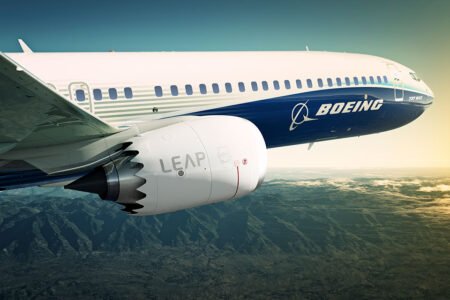
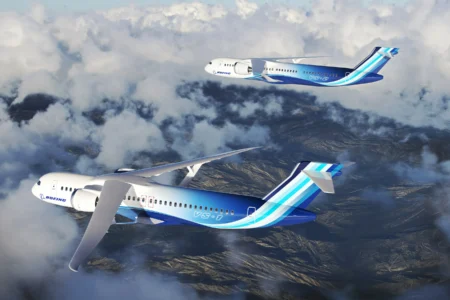
Boeing is exploring the development of a new aircraft to replace the 737 MAX, potentially collaborating with Rolls-Royce on engine innovation. While details are limited, Boeing’s commitment to safety and meeting current orders remains steadfast, as evidenced by recent major airline commitments.
Browsing: Africa aviation safety
Delta Air Lines Flight DL1, a 24-year-old Boeing 767-400ER, was forced to make an emergency landing in Boston due to engine power loss. Thanks to the swift action of the crew and emergency protocols, all passengers landed safely, and the aircraft resumed regular service after maintenance.
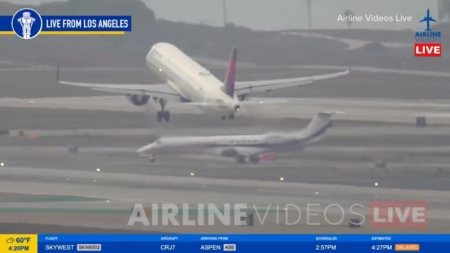
An American Airlines Airbus A321 narrowly avoided a collision at LAX when an AeroLogic Boeing 777F crossed its runway. The quick actions by the air traffic controller and the American Airlines pilots averted the potential disaster. The FAA is investigating the incident, which underscores the ongoing challenges with runway incursions.
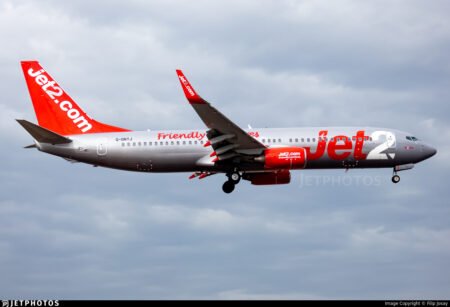
Jet2 Flight LS1855 from Bristol to Larnaca declared an in-flight emergency over Slovenia, resulting in a diversion to Venice, Italy. The Boeing 737-800 landed safely with no reported injuries, demonstrating the airline’s effective emergency response protocols. Passengers were rebooked and taken care of while in Venice.
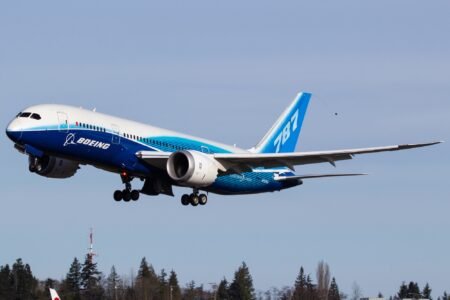
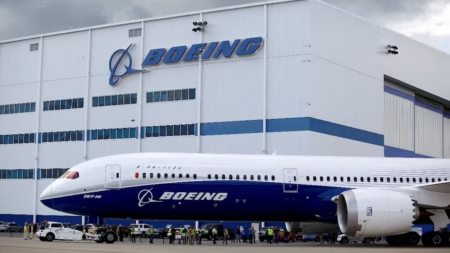
The FAA has decided to reinstate Boeing’s authority to issue airworthiness certificates for the 737 MAX and 787 Dreamliner. This move follows significant oversight due to past safety issues. The partial reinstatement begins in 2025 and involves alternating responsibilities between Boeing and the FAA to ensure stringent quality and safety standards.
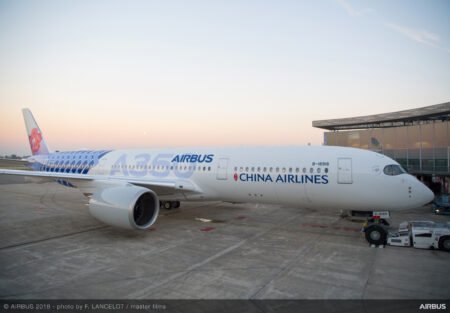
Airlines prefer painting aircraft white due to its cost-effectiveness, heat management, and enhanced safety. White paint reduces maintenance needs and boosts aircraft efficiency. While some exceptions exist, white remains the standard choice for both practical and economic reasons.
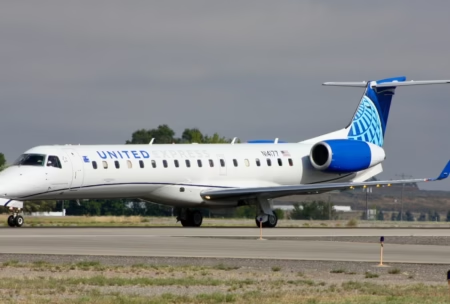
A United Express Embraer ERJ-145 experienced a runway overrun at Roanoke-Blacksburg Regional Airport due to wet conditions, halting safely in an engineered materials arrestor system (EMAS). This system prevented potential injuries and severe damage. The airport temporarily halted operations, causing delays and diversions, while the FAA investigates the incident. EMAS technology plays a vital role in preventing runway overruns across numerous US airports.
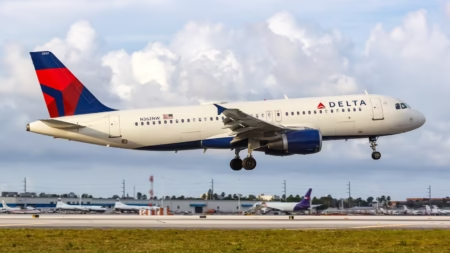
Delta Air Lines is undertaking a major initiative to replace auxiliary power units on over 300 Airbus A320 aircraft to prevent toxic fume leaks. The project, which began in 2022, focuses on mitigating health risks for crew and passengers and is now over 90% complete. Other airlines like United and Frontier are also implementing strategies to address engine fume issues.
The FAA has reinstated Boeing’s authority to issue airworthiness certificates for certain 737 MAX and 787 jets on alternating weeks beginning September 29. This decision marks a positive step for Boeing amid past safety concerns, although it does not immediately affect production rates. Investor confidence has risen, reflecting expectations for improved delivery schedules.
Boeing’s challenges with the 737 MAX have led to an intense focus on increasing production to meet market demands. With plans to raise monthly output, push for FAA approvals, and manage its 787 Dreamliner deliveries, Boeing aims to overcome past issues. The company’s strategies reflect its drive to restore confidence and address its production backlog but require careful quality control and supply chain management.