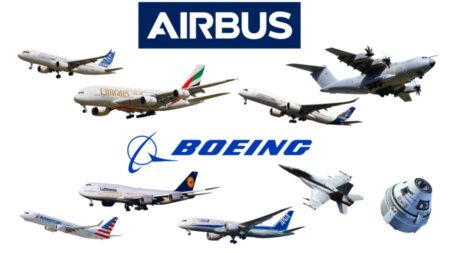
The longstanding rivalry between Airbus and Boeing has driven significant advancements in the aviation industry. Airbus, having entered later, now competes fiercely with Boeing across short-haul and long-haul aircraft categories. Despite successes like the A320neo, both manufacturers face future technological and production challenges. As new competitors like Comac emerge, the aerospace industry may witness shifts in this dominant duopoly.
Browsing: 737 MAX
The FAA has reinstated Boeing’s authority to issue airworthiness certificates for certain 737 MAX and 787 jets on alternating weeks beginning September 29. This decision marks a positive step for Boeing amid past safety concerns, although it does not immediately affect production rates. Investor confidence has risen, reflecting expectations for improved delivery schedules.
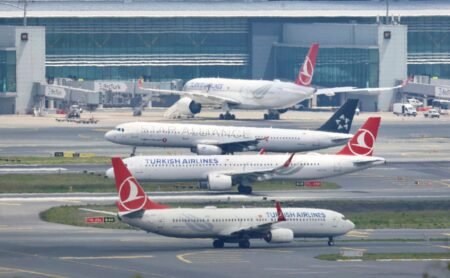
Turkish Airlines has placed a significant order with Boeing for up to 75 Boeing 787 Dreamliners and 150 737 Max airliners to bolster its fleet and support its Vision 2033 expansion plan. The deal includes firm orders for various models with options for additional aircraft. The airline aims to enhance its operational capabilities and expand its fleet to more than 800 aircraft by 2033.
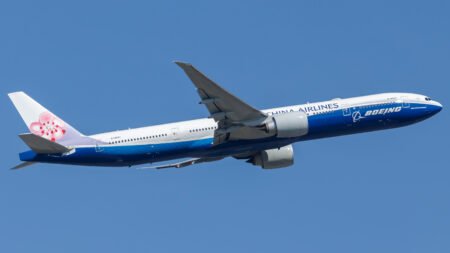
Boeing has potentially concluded production of its 777-300ER, transitioning focus exclusively to the 777X variant. Meanwhile, the company navigates certification challenges for the 737 Max 7 and Max 10, having requested temporary FAA exemptions to implement crucial safety updates across its fleet.
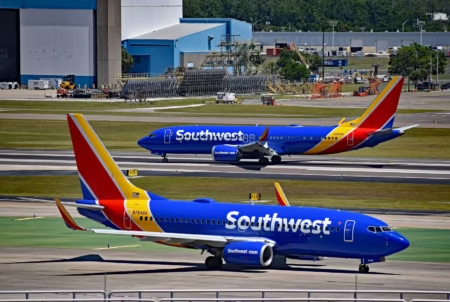
Southwest Airlines is expediting the retirement of its Boeing 737NG aircraft to transition to the more efficient 737 MAX fleet by 2031. This move is driven by desires for improved operational efficiency, cost savings, and meeting shareholder expectations. The shift involves complex considerations, including market dynamics, financial strategies, and public perceptions.
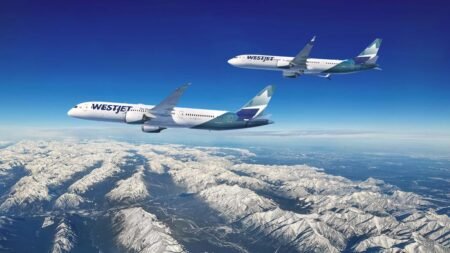
WestJet has made a landmark agreement by ordering up to 96 Boeing aircraft, including both 737 MAX and 787 models. This acquisition is the largest in WestJet’s history and solidifies its competitive stance against Air Canada by expanding its fleet to meet long-term growth and operational needs.
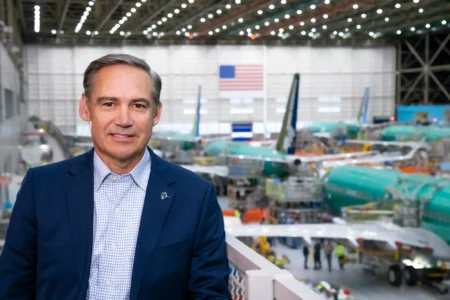
Boeing’s CEO Kelly Ortberg has made strides in stabilizing the company by enhancing operational transparency and restructuring leadership. Despite these efforts and an improved footing, the company continues to face significant challenges, including supply chain issues, heavy debt, and fierce competition from Airbus. The continued effort to balance immediate recoveries with long-term innovation will be pivotal in defining Boeing’s trajectory.