
Introduction: A New Era for Pilot Training
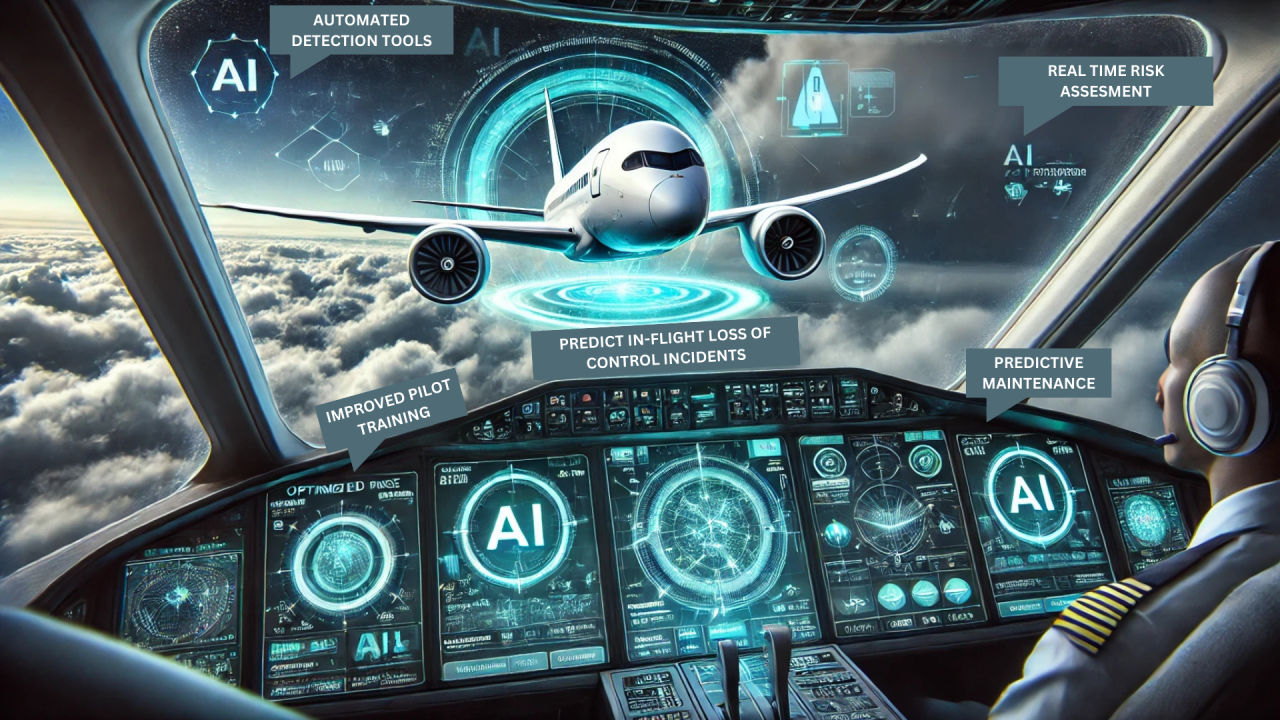
Aviation consistently demands adherence to the highest training standards. From the earliest aircraft models to today’s advanced jetliners, pilots undergo rigorous education and simulation before flying. Recently, artificial intelligence (AI) has transformed this process. AI-powered flight simulators now provide unmatched realism, flexibility, and data-driven insights, enabling training environments beyond traditional capabilities.
Why Flight Simulation Matters
The Foundations of Aviation Safety
Flight simulators form the backbone of aviation safety. They offer safe settings for practicing hazardous scenarios, such as engine failures or cockpit fires, without risk to lives. According to the International Civil Aviation Organization (ICAO), pilots spend over 60% of their formal training hours in simulators before qualifying.
Limitations of Traditional Simulators
While effective, traditional simulators often depend on preset scenarios. This predictability allows trainees to anticipate outcomes, hindering learning. Moreover, traditional simulators lack the ability to adapt to individual pilot experiences.
The Role of AI in Flight Simulators
Adaptive Learning Systems
Modern AI systems analyze pilot behavior in real-time, adjusting the training difficulty according to performance. For instance, proficient trainees in crosswind landings may face more complex challenges, like unexpected microbursts.
Realistic Decision-Making Scenarios
AI generates dynamic, non-scripted challenges, reflecting the varying nature of real aviation. Instead of repetitive scenarios, trainees engage with varied situations requiring critical thinking.
Big Data Integration
AI simulators link to extensive databases of past flight data. By examining numerous real incidents, they create scenarios grounded in actual events, exposing trainees to challenges faced by real pilots.
Expert Commentary: Industry Perspectives
Captain David Morgan, easyJet COO, states, “AI-driven simulators train pilots for adaptive problem-solving, marking a significant advance in preparedness.” Additionally, Dr. John Hansman from MIT notes that AI mirrors real-life complexity, unlike traditional simulators that focus on isolated emergencies.
Everyday Applications in Pilot Training
- Cadet Programs: AI personalizes new cadet training, focusing on areas such as instrument flying for those struggling with spatial awareness.
- Experienced Pilot Refreshers: AI benefits experienced pilots re-certifying after career breaks, quickly identifying weaknesses.
- Crisis Simulation: AI layers crises, combining, for example, weather events with system issues, demanding prioritization akin to real scenarios.
Human Skills Meet AI Support
The rise of AI does not lessen the value of human judgment. It enhances it, much like digital writing assistants refine drafts. AI simulators strengthen pilots’ decision-making capabilities while preserving human traits such as empathy and intuition in the cockpit.
Benefits Beyond Training
- Cost Efficiency: AI reduces the need for numerous full-motion sessions, cutting costs without sacrificing safety.
- Continuous Monitoring: Performance data allows tracking of trainee progress, helping identify skill gaps.
- Enhancing Confidence: Pilots dealing with adaptive scenarios gain confidence, having faced more variables than traditional methods offer.
Potential Challenges and Risks
- Over-Dependence on Technology: Despite AI advancement, there are concerns about reliance on simulator guidance. Regulators emphasize maintaining a balance between AI support and traditional skills.
- Ethical and Regulatory Questions: Debates exist on AI’s role in training curriculums. Authorities like EASA and UK CAA review standards to ensure safety.
- Accessibility: Smaller airlines may struggle with high-cost AI simulators, potentially creating disparities in training quality.
The Future of AI in Pilot Training
- Integration with Virtual Reality (VR): Combining AI with VR could offer realistic training, reducing costs of full-motion simulators.
- Predictive Training Models: AI can anticipate skill decline over time, recommending training sessions before issues arise.
- Towards Autonomous Flight Support: While AI simulators don’t replace pilots, they can prepare aviators for advanced automation, bridging human-machine integration.
Conclusion: AI as a Co-Pilot in Training
Although the aviation industry continuously innovates, safety remains paramount. AI-powered simulators are not a departure from tradition but an enhancement. They groom pilots for an unpredictable world by providing adaptive and data-led challenges. In the end, while AI reshapes training delivery, fundamental expectations of pilots—like judgment and resilience—remain unchanged. AI’s role is to present a wider range of challenges, ensuring readiness before pilots take control of real aircraft.