
Qantas Flight QF1889 Mid-Air Descent
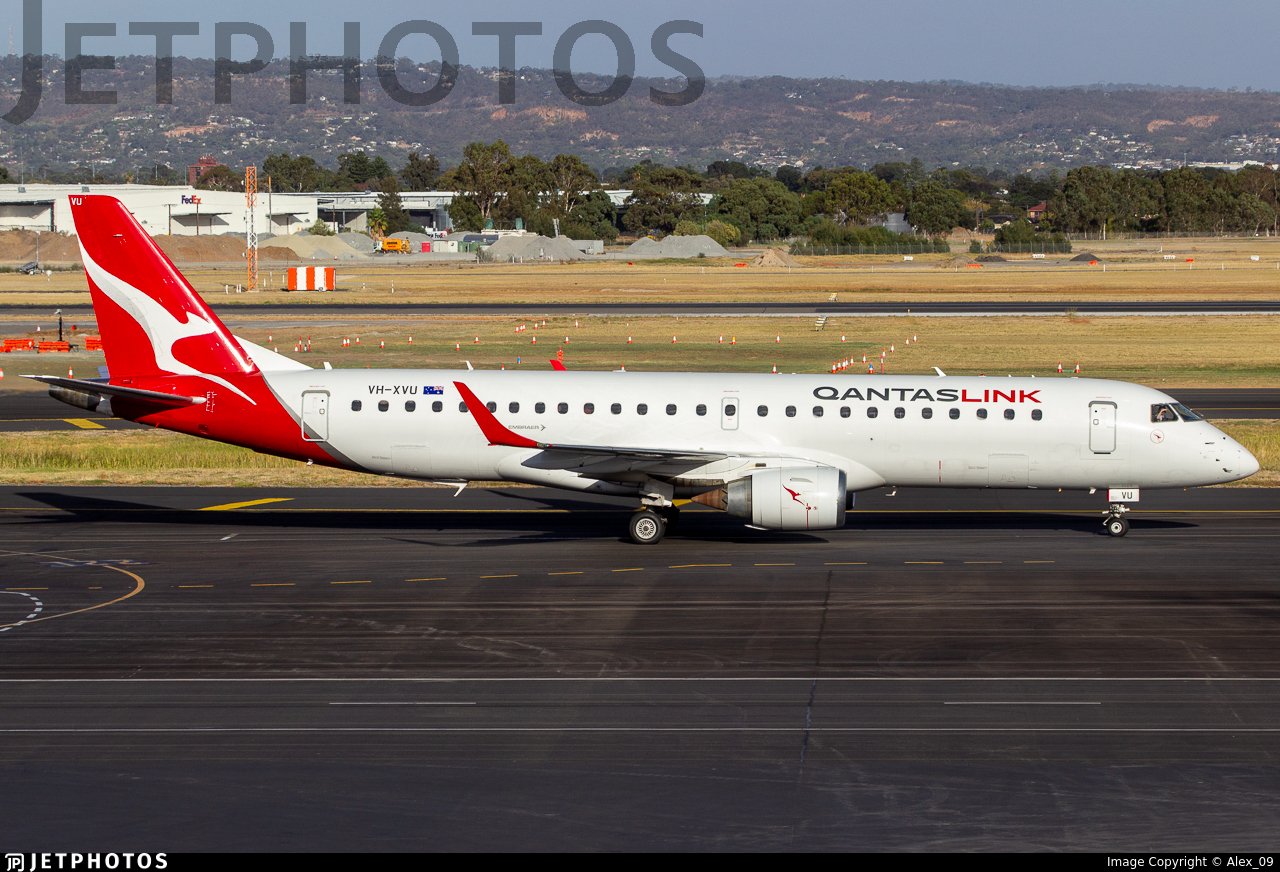
After taking off from Darwin International Airport (DRW) en route to Cairns (CNS), Qantas flight QF1889 encountered a significant in-flight emergency. A cockpit warning light prompted the flight crew to conduct an emergency descent of 20,000 feet shortly after its departure from the Northern Territory capital.
The aircraft, an Embraer E-190, was operating a routine domestic route between these regional hubs. During the climb, the crew received a technical alert initiating their immediate response to ensure passenger safety.
Emergency Protocol and Passenger Experience
- To prioritize safety, the pilots executed a controlled emergency descent, reducing altitude by 20,000 feet.
- No injuries were reported among the passengers and crew, despite the dramatic altitude drop.
- Cabin crew maintained calmness, offering reassurance to passengers throughout the unsettling experience.
- The aircraft landed safely without further issues.
Qantas Response to the Emergency
Qantas confirmed the emergency, emphasizing the descent was a cautious response to a pressurization warning light received shortly after take-off. The airline explained that the pilots adhered to standard operating procedures, managing a controlled descent to 10,000 feet over several minutes.
The airline underlined that its pilots are well-trained for such scenarios and that their aircraft systems are equipped to detect and manage technical challenges proficiently. Qantas stressed that passenger safety remains its utmost priority, with engineering teams set to conduct a thorough inspection of the aircraft before it re-enters service.
Implications for Aviation Safety Standards
Incidents of this nature underscore the stringent safety standards maintained within Australia’s aviation industry. Controlled descents act as precautionary safety measures, allowing crews to address potential technical issues efficiently.
Australia’s aviation sector boasts one of the world’s most robust safety records, with obligatory stringent compliance checks for both domestic and international carriers. Events like this highlight how airlines effectively respond under pressure, reinforcing public confidence in their safety procedures.
Conclusion
Despite some travelers’ anxiety over the rapid altitude loss, the professional handling by the cabin crew ensured a safe arrival. Qantas plans to disclose further technical insights following a detailed engineering evaluation.