Delta Air Lines is considering adding the Boeing 787-10 to its widebody fleet, disrupting its primarily Airbus lineup. The integration aims to replace aging Boeing 767s and cater to medium to long-haul routes while ensuring fleet diversification. This strategic move enhances operational flexibility amidst potential delivery constraints from Airbus.
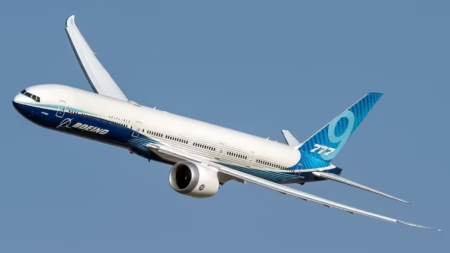
The Boeing 777X is a groundbreaking widebody aircraft designed by Boeing to replace the 777-300ER, featuring advanced technology such as folding wingtips for efficient gate compatibility, fuel-efficient GE9X engines, and enhanced passenger comfort. This model not only offers improved operating economics but is also poised to redefine industry standards in long-haul travel and emissions reduction.
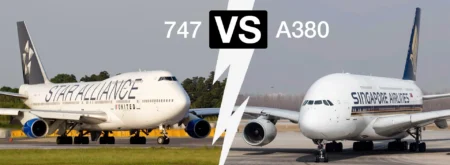
The Airbus A380 and Boeing 747 are iconic aircraft with distinct differences in design, engine systems, cabin layouts, and operating economics. The A380, known for its vast capacity and double-deck configuration, contrasts with the 747’s distinctive hump and versatile cargo capabilities. These aircraft’s range and compatibility with airports further highlight their unique roles in aviation history.
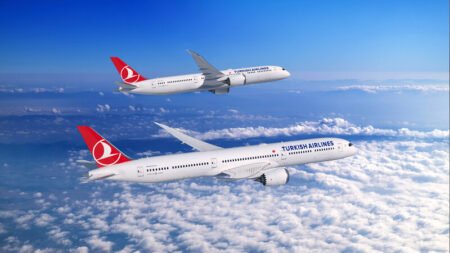
Turkish Airlines has made its largest-ever widebody aircraft order with Boeing, securing up to 75 787 Dreamliners. This agreement supports the airline’s plan for fleet expansion, aiming to reach a total of 800 aircraft by 2033. Additionally, Turkish Airlines plans to expand its narrowbody fleet by ordering up to 150 Boeing 737 MAX jets.
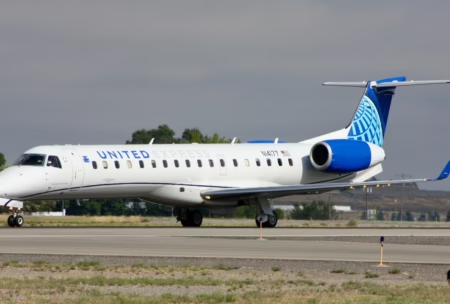
A United Express Embraer ERJ-145 experienced a runway overrun at Roanoke-Blacksburg Regional Airport due to wet conditions, halting safely in an engineered materials arrestor system (EMAS). This system prevented potential injuries and severe damage. The airport temporarily halted operations, causing delays and diversions, while the FAA investigates the incident. EMAS technology plays a vital role in preventing runway overruns across numerous US airports.
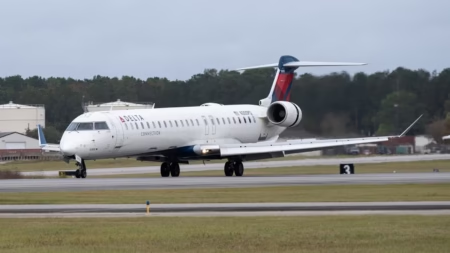
Delta Air Lines successfully repaired a Bombardier CRJ900 after it suffered extensive tail damage from a collision with an Airbus A350 at Atlanta Airport. The incident caused significant operational disruption but was resolved without injuries. Delta’s maintenance team restored the aircraft, readying it for future service.
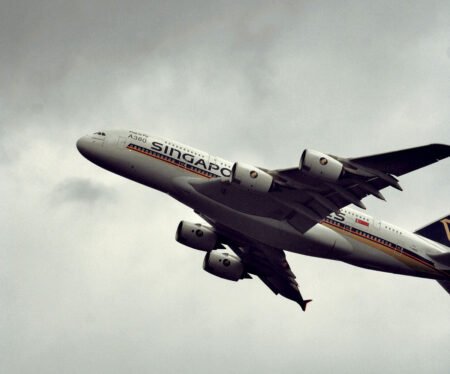
Singapore Airlines flight SQ325, an Airbus A380-841, made an unscheduled return to Frankfurt Airport after a 9-hour journey. Initially destined for Singapore, the aircraft turned around over Azerbaijan due to a possible mechanical issue. The flight was delayed, and no new departure time has been announced.
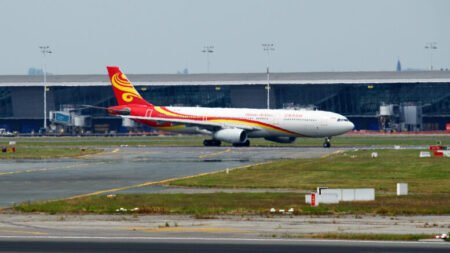
A Rossiya Airlines Sukhoi Superjet 100 and a Hainan Airlines Airbus A330-300 collided at Moscow’s Sheremetyevo Airport during taxiing operations, resulting in flight disruptions. No injuries have been reported, and both airlines are assisting with the investigation. The incident highlights traffic management challenges at major airports.
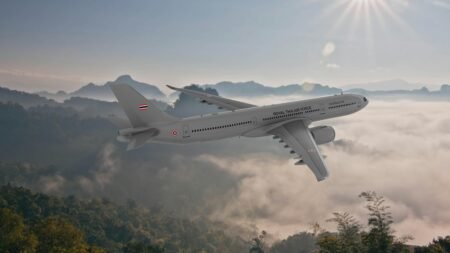
The Royal Thai Air Force has chosen the Airbus A330 MRTT+ to boost its aerial refueling, transport, and medical evacuation capabilities. The aircraft, based on the Airbus A330neo, will be converted in Spain and delivered by 2029, featuring advanced refueling systems and enhanced medical response options. This enhances Thailand’s defense readiness and humanitarian assistance efforts.
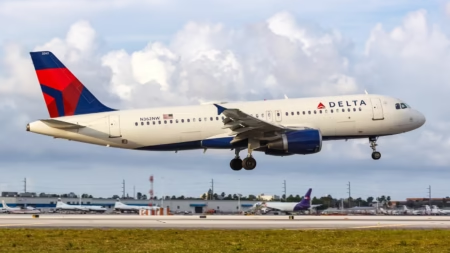
Delta Air Lines is undertaking a major initiative to replace auxiliary power units on over 300 Airbus A320 aircraft to prevent toxic fume leaks. The project, which began in 2022, focuses on mitigating health risks for crew and passengers and is now over 90% complete. Other airlines like United and Frontier are also implementing strategies to address engine fume issues.