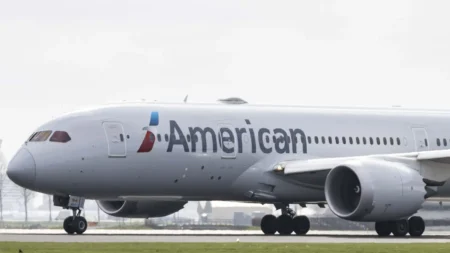
American Airlines is striving to compete as a premium carrier amid high operational costs and a market heavily dominated by Delta and United. To succeed, it must capture high-yield passengers through strategic investments in service enhancements and cultural shifts within the company, while overcoming limitations from airport slot constraints and government policies.
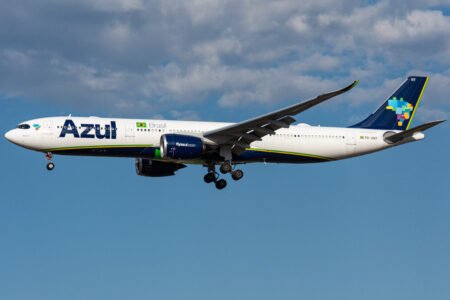
Azul Linhas Aereas and GOL Linhas Aéreas have halted merger talks and codeshare operations, impacting Brazil’s airline market. The merger would have formed a major regional player, while the codeshare’s end is expected to intensify competition. Both airlines reported losses, with Azul focusing on financial restructuring through fleet simplification.
The Future Combat Air System (FCAS) aims to establish Europe’s autonomy in defense aviation by developing a sixth-generation fighter jet. Managed by Germany, France, and Spain, the project faces challenges in industrial cooperation and national interests. Despite its ambitious plans and technological sophistication, FCAS must navigate obstacles to remain on track for its projected 2040 full operational capability.
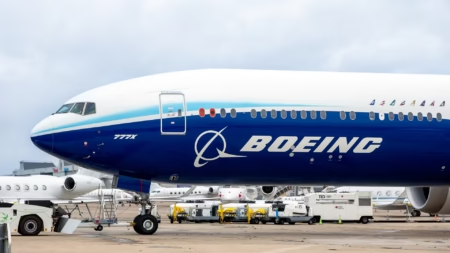
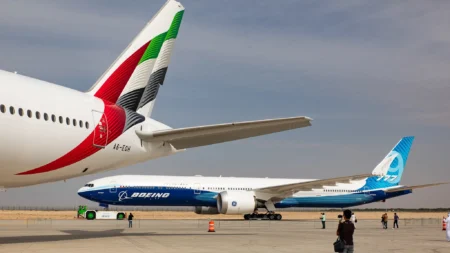
The Boeing 777X, set to be the largest twinjet, faces certification delays, pushing its delivery to 2026. Technical features, challenges, and airline impacts are outlined, emphasizing Boeing’s efforts to meet the new timeline.
The US is contemplating ending its Preclearance program at Canadian airports due to declining travel volumes. The service, which facilitates smoother entry for travelers into the US, has been a key advantage for Canadian airlines, especially as US travel from Canada has decreased recently. This development could have financial repercussions for airlines and impact tourism flows from Canada.
Air France-KLM and Scandinavian Airlines (SAS) have announced an expanded partnership focusing on transatlantic connectivity. This collaboration will enhance flight schedules and flexibility for Scandinavian travelers to North America, align loyalty programs, and expand cargo services. The integration aligns with SAS’s shift to the SkyTeam alliance, boosting competitiveness.
Skytrax awarded the top 10 best airports in Australia/Pacific for 2025 based on operational efficiency, passenger facilities, and city connectivity. Melbourne and Brisbane airports lead the rankings, offering a combination of sleek facilities, local dining, and easy transport access. From efficient layouts to premium lounges, each airport showcases unique strengths in catering to both domestic and international travelers.
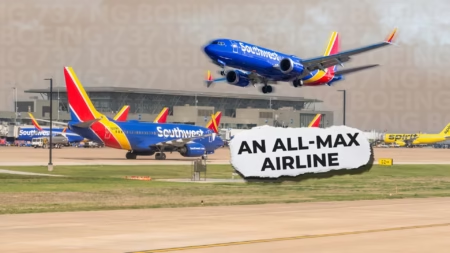
Southwest Airlines plans to reduce and ultimately retire its Boeing 737 NG fleet by 2031, transitioning to the more fuel-efficient 737 MAX series. The move aims to lower operating costs and modernize the fleet in line with sustainability goals. As demand for narrowbody aircraft increases, the sale of older 737 NGs becomes a viable strategic option for the airline.
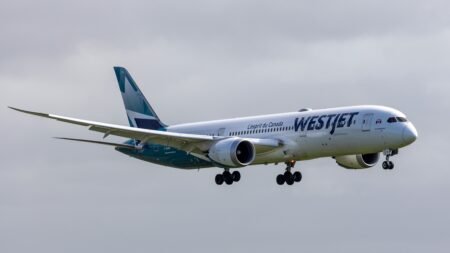
WestJet ranks as Canada’s second-largest airline with a strong focus on international routes, especially those connecting Canadian cities to the U.S. Busiest routes include Los Angeles-Calgary, Phoenix-Calgary, and Las Vegas-Calgary, emphasizing WestJet’s strategic use of U.S. gateways. The list of the top 20 routes showcases a blend of leisure and business travel, underscoring an integrated transborder strategy.
Emirates Airline has canceled its initial business class seating design for the Boeing 777X because of the aircraft’s seven-year delay. Competitors have advanced, prompting Emirates to pursue modern suite-style seating for its business class. The airline has also invested heavily in interim upgrades for its current fleet to maintain its market reputation.