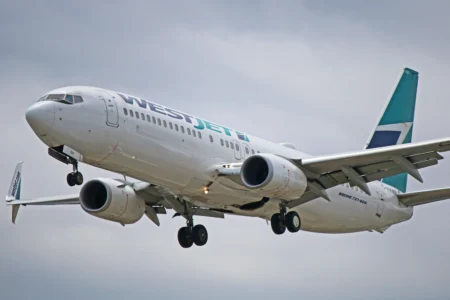
WestJet Boeing 737

A WestJet Boeing 737-800 experienced a right main gear collapse while landing at Sint Maarten on September 7th, causing the right engine to scrape the runway. No injuries were reported, and the incident was recorded on video, sparking reactions and discussions within the aviation community.
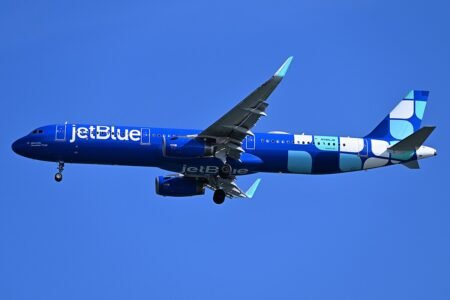
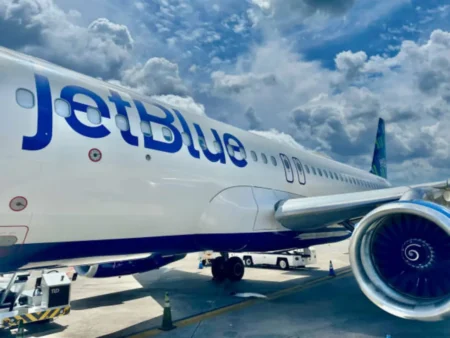
JetBlue A321

JetBlue is expanding its operations at Fort Lauderdale-Hollywood International Airport with plans for up to 113 daily flights this winter. The airline will introduce nine new routes and enhance services on nine existing ones. This expansion reflects JetBlue’s commitment to the East Coast leisure market, with a focus on providing a robust network with competitive fares.

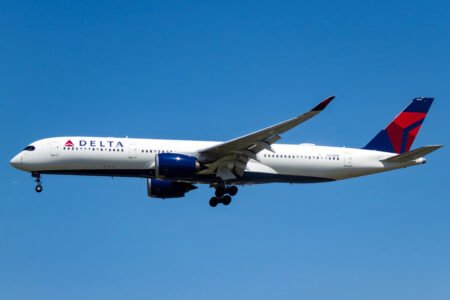
Delta Airlines

Delta Air Lines led the August on-time performance with an 83.93% arrival rate. Spirit Airlines ranked second, surpassing larger competitors like United and American Airlines. Despite Spirit’s financial difficulties, their investment in reliability highlights the importance of punctuality, underscoring operational transparency and industry expectations of seamless service.

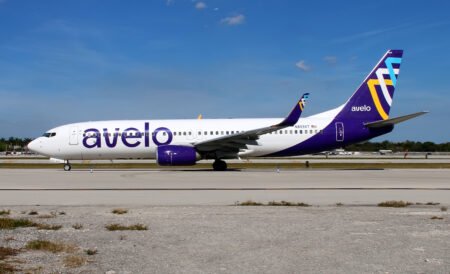
Current Fleet of Avelo Airlines B737

Avelo Airlines has ordered 50 Embraer E195-E2 aircraft, with options for 50 more, becoming the first U.S. airline to operate this model. The E195-E2 features enhanced short-field performance and a range of passenger amenities, aligning with Avelo’s strategy to expand affordable travel. The aircraft will join Avelo’s existing Boeing 737NG fleet, boosting operational efficiency and network reach starting in 2027.

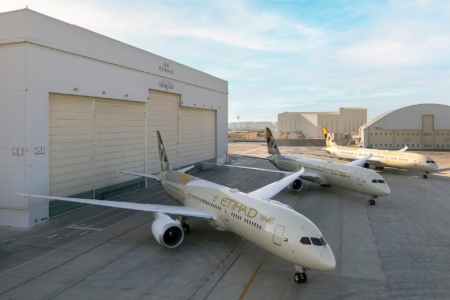
The Expanding Fleet of Etihad Airways by 2025

Etihad Airways has expanded its fleet by nearly 40% over the past three years, strengthening its competitive stance among Gulf carriers. The airline’s growing fleet includes a mix of Airbus and Boeing aircraft, aimed at enhancing range capabilities and fuel efficiency. Despite being smaller than its regional counterparts, Etihad is focused on strategic fleet composition for operational and market success.

JetBlue Bids Farewell to Embraer E190: Transition to Airbus A220

JetBlue has officially retired its Embraer E190 fleet, drawing a close to a significant phase in its operations and celebrating the delivery of its 50th Airbus A220-300. This transition marks an upgrade in efficiency and passenger experience as the airline shifts towards a fully modernized, all-Airbus lineup. The final E190 flight holds historical significance for the aviation community, while JetBlue’s strategy continues to focus on sustainable growth.

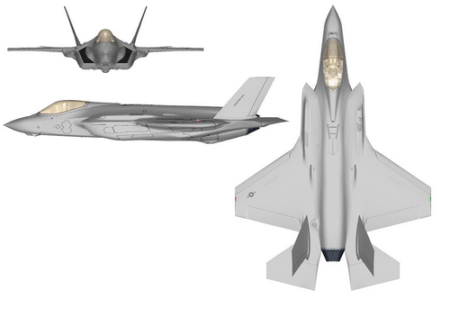
World's Largest F-35 Fleets: A Comprehensive Overview

The F-35 Lightning II program, initiated in 2001, has grown to the largest combat aircraft endeavor, with production spread across the US, Italy, and Japan. The United States leads the fleet count, with significant contributions from Japan, the UK, Australia, and Italy, each leveraging the aircraft for strategic defense and technological advancement. The initiative bolsters a global defense network, emphasizes technological synergy, and supports broad industrial participation.

EMAS Technology Proves Crucial in Preventing Airport Runway Overrun Incidents

Two aircraft runway overrun incidents at Chicago Executive Airport and Boca Raton Airport demonstrated the critical role of EMAS technology in preventing serious accidents. Both aircraft were safely stopped by EMAS beds without any injuries to those on board. The adoption of EMAS across multiple airports highlights its effectiveness as a safety measure for runway overruns.

Why Delta Air Lines Prefers Airbus A350 Over Boeing 787

Delta Air Lines’ current strategy involves operating an all-Airbus widebody fleet, primarily due to fuel efficiency and sustainability goals, but rumors suggest possible plans to incorporate the Boeing 787-10. This potential addition would provide fleet diversity and optimal solutions for specific routes, allowing for strategic flexibility and operational resilience against delivery disruptions.

How The Boeing 777X Poses a Challenge for Airbus' Widebody Aircraft

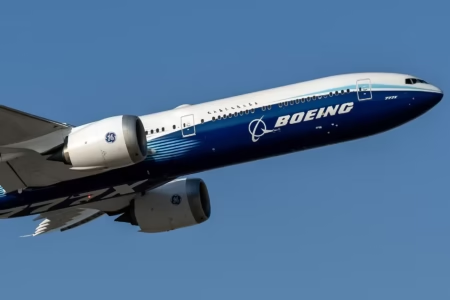
The Boeing 777X series, with its wider fuselage and higher passenger capacity, challenges the Airbus A350 XWB in the competitive widebody market. The 777X offers ten-abreast seating, which appeals to airlines seeking increased economy class capacity, while the A350 remains limited to nine-abreast configurations. Airbus is updating its A350 with features like thinner sidewalls to improve market standing.