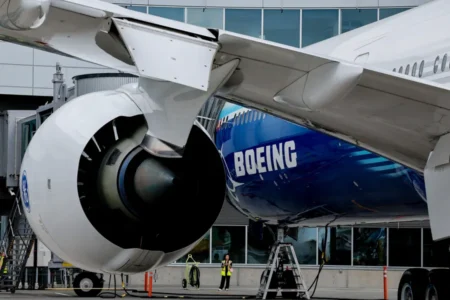
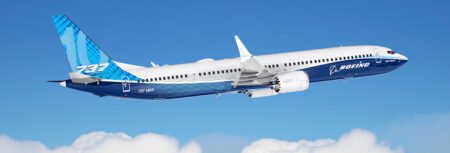
Boeing is adjusting its 737 MAX production strategy due to increased demand and a high order backlog, while competing with Airbus’s consistent performance. The company is navigating regulatory constraints and operational challenges in its attempt to boost output in 2025. Boeing’s success will depend on maintaining consistent quality and overcoming supply chain issues.
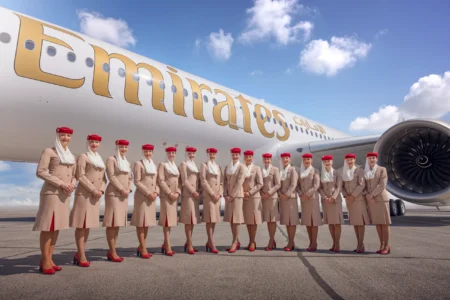
An Emirates Airline cabin crew member’s emotional reunion video with her family has gone viral, drawing over 4 million views. Kainat Aamirr surprised her family after a long absence, capturing heartfelt reactions that have touched many online. This poignant story highlights the emotional challenges faced by airline staff and emphasizes the human connections behind the aviation industry.
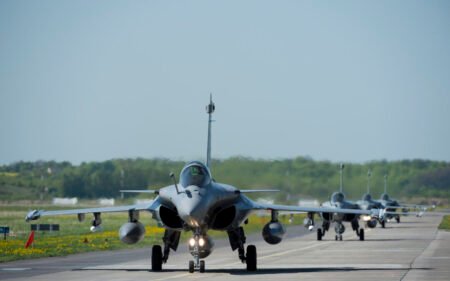
France will deploy three Rafale fighter jets to protect Polish airspace after accusations from Warsaw regarding a Russian drone incursion. President Emmanuel Macron made the announcement, highlighting collaboration with NATO allies to strengthen security on Europe’s eastern border and counteract Russian intimidation.
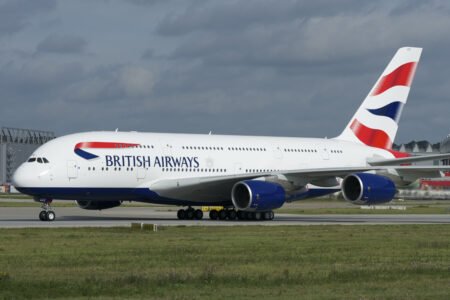
British Airways crew unveil their favorite undiscovered European locations, blending iconic landmarks with hidden gems. From Sicily’s ancient ruins to Tbilisi’s vibrant nightlife and Warsaw’s historic streets, these destinations offer a unique perspective on Europe’s authentic charm.
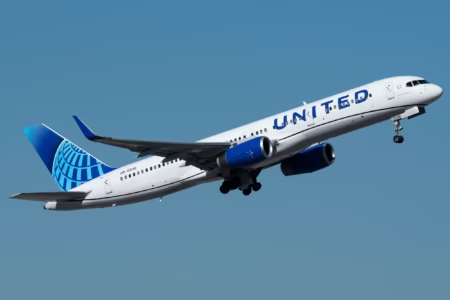
The Boeing 757, noted for its unique power and performance, offered dual engine options: the Rolls-Royce RB211 and the Pratt & Whitney PW2000. This decision provided airlines with configuration choices and cost benefits born from engine competition. Despite the benefits, dual options posed challenges for manufacturers, notably increased complexity and costs. Over time, market demands favored single-source engines, though the dual-option approach was standard during the 757’s era.
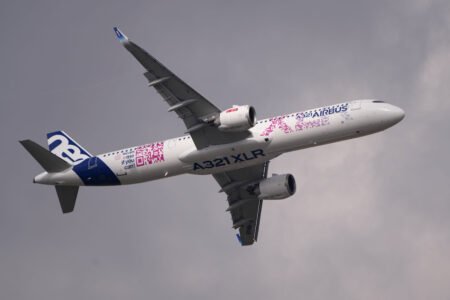
The Airbus A321XLR is revolutionizing global travel by enabling long-haul routes that stretch beyond eight hours, connecting lower-demand cities efficiently. Airlines are leveraging this aircraft to open new markets previously dependent on larger jets. Key routes include direct connections between Europe and North America, and new services from Europe to South America and the Caribbean.
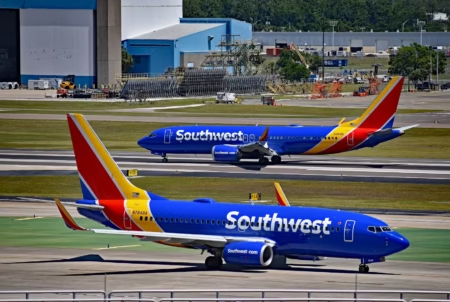
Southwest Airlines is expediting the retirement of its Boeing 737NG aircraft to transition to the more efficient 737 MAX fleet by 2031. This move is driven by desires for improved operational efficiency, cost savings, and meeting shareholder expectations. The shift involves complex considerations, including market dynamics, financial strategies, and public perceptions.
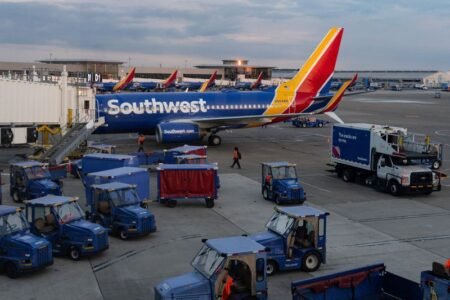
Southwest Airlines, traditionally a short-haul carrier, is exploring the introduction of long-haul flights, airport lounges, and widebody aircraft. This strategic shift aims to enhance profits and reposition the airline more competitively against legacy carriers. Recent interline agreements and business model overhauls reflect its new direction under Elliott Investment Management’s influence.
Boeing faces major delays in the 777X certification, with first deliveries now postponed to 2026, impacting investor confidence and cash flow forecasts. The company’s ambitious production targets, particularly for the 737 MAX, depend heavily on FAA approval amid challenges like inflation and past disruptions in production.
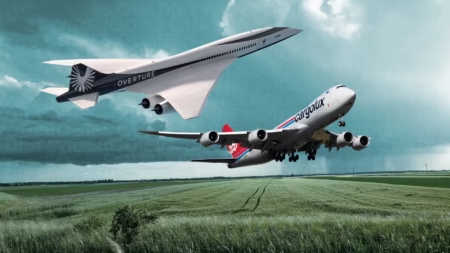
The article explores the current state and potential future of quadjets, aircraft with four jet engines, traditionally known for power and capability to handle larger loads. Quadjets like the Boeing 747 and Airbus A380 have declined in popularity due to high operational costs and shifting airline preferences toward more efficient twin-engine planes. While current odds of resurgence are slim, future propulsion technologies might call for their revival.