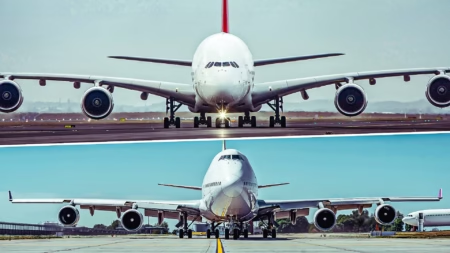
The Boeing 747 and Airbus A380 remain significant in aviation despite production halts, with 22.6% of 747s and 61.8% of A380s still in operation. Passenger opinions favor the A380 for comfort, while the 747’s nostalgic value remains strong. Modern aircraft like the A350 and 787 are shaping the industry with superior fuel efficiency, yet there is potential interest in a new A380 model.
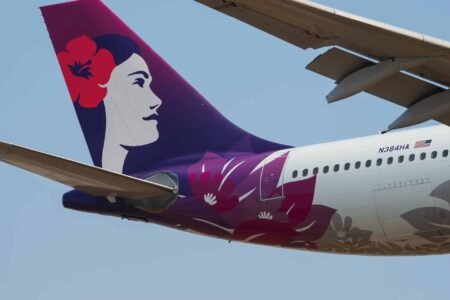
The DOT’s August 2025 report highlights Hawaiian Airlines as the top performer in punctuality and Delta Air Lines for avoiding involuntary denied boardings. American Airlines struggled with cancellations and passenger complaints, and Allegiant Air excelled in baggage handling. The report emphasizes the importance of transparency and informed passenger choices.
Southwest Airlines employs a strategy of operating extensive multi-stop, same-aircraft routes across the USA, enhancing operational efficiency and offering passengers unique travel experiences. The airline features routes with up to six stops, mainly serviced by the Boeing 737-700, though differences in monthly schedules are expected. Passengers can book segments of these routes on individual tickets, allowing flexibility in travel itineraries.
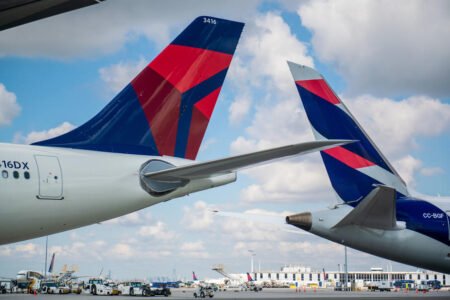
Delta Air Lines is launching a new daily service between Austin-Bergstrom International Airport and Miami International Airport starting November 22. This move is part of Delta’s broader expansion efforts in Austin, amid fierce competition from American Airlines, Frontier Airlines, and Southwest Airlines. Delta plans to enhance its Austin operations with additional destinations and increased frequencies on existing routes.
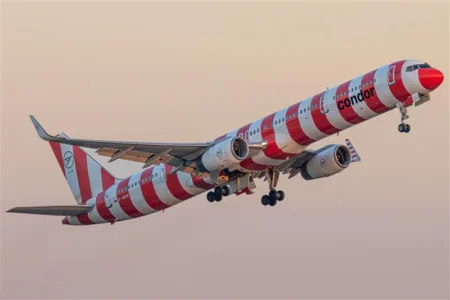
Condor Airlines has announced the retirement of Europe’s last Boeing 757-300 aircraft, with its final flight slated for November 5, 2025. The farewell marks the airline’s full transition to an all-Airbus fleet. Condor, a key launch customer for the 757, has steadily modernized its fleet towards a more efficient Airbus lineup.
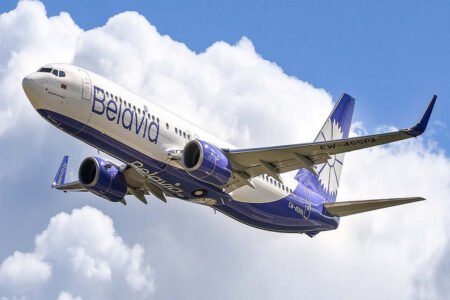
The United States has eased sanctions on Belarus’ national airline, Belavia, potentially normalizing relations with Belarus. Critics warn this could allow Russian airlines access to Western aircraft parts via Belavia. While offering relief for airline maintenance, the sanctions change could inadvertently benefit Russia.
United Airlines is reviewing its Airbus A350 order as it prepares for essential fleet updates. The decision involves evaluating economic and political factors, including the perceived trade imbalance due to foreign carrier dominance. CEO Scott Kirby’s strategy reflects a need for strategic fleet enhancements amidst foreign competition concerns.
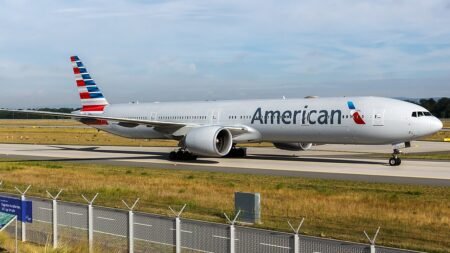
American Airlines plans to significantly increase the deployment of its Boeing 777 aircraft on key domestic routes in Q4 2025. The 777-200ERs will see an 83% year-on-year increase in use, with strategic deployments also planned for the 777-300ERs. This strategy enhances passenger capacity and efficiency on busy routes, while the airline continues strengthening its widebody fleet with additional Dreamliner aircraft.
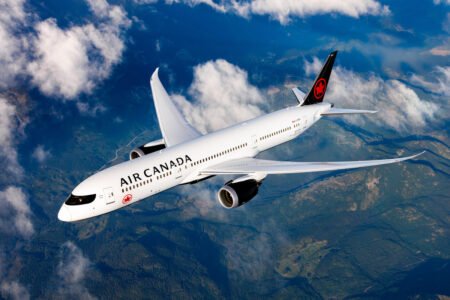
With a decline in demand for travel to the U.S., Canadian airlines have redirected their capacity towards Latin America for the 2025 winter season. Air Canada, WestJet, Porter Airlines, and Air Transat are adding new routes and increasing seat capacity by 36% to Latin American destinations. Consequently, they are collectively reducing over 1,500 flights to the U.S.
In April 2023, Qatar Airways acquired Boeing 737 MAX aircraft originally destined for Russian clients due to international sanctions. While some of these planes have been delivered to Royal Air Maroc, others are undergoing livery changes. The acquisition stems from a prior disagreement with Airbus, which has since been resolved, leaving Qatar with more planes than it requires.