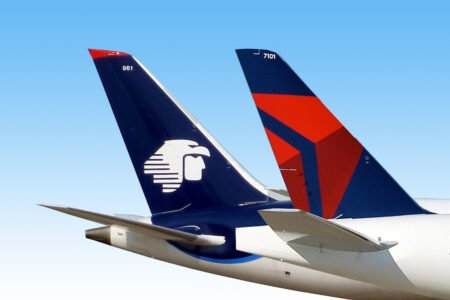
The US government has ordered Delta Air Lines and Aeromexico to end their joint venture by 2026 due to anticompetitive concerns. Delta and Aeromexico express disappointment, as this agreement governed a substantial portion of cross-border flights. The mandate reflects broader challenges in international air travel regulations and slot allocations.
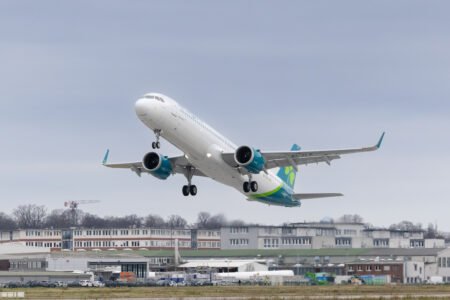
Aer Lingus will commence a new route from Dublin to Raleigh-Durham using the Airbus A321XLR starting in April, marking its fourth US destination for this aircraft type. This expansion contributes to the airline’s largest-ever transatlantic schedule, with a total of 26 North American routes planned. The Raleigh-Durham route, to be operated five times a week in summer, enhances the airport’s international connections.
Embraer is facing an indefinite strike by metalworkers at its Brazilian plant since September 17, 2025. The workers seek wage increases and improved labor agreements. Despite the strike, Embraer’s operations continue unaffected, with the company maintaining its year-end production targets. This labor action reflects broader trends of unrest within the aviation industry as workers push for better conditions amid high demand and inflationary pressures.
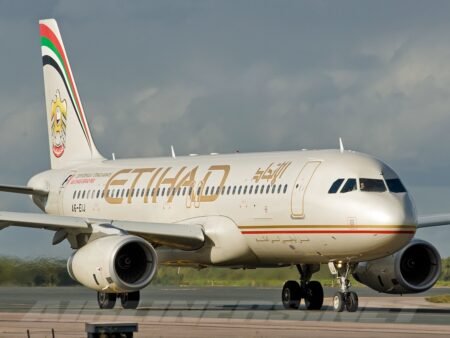
Etihad Airways has announced new direct flights between Abu Dhabi and Damascus, set to start in June 2026. This move aligns with Etihad’s expansion strategy in the Middle East, responding to strong travel demand and reinforcing economic ties with Syria. Despite security challenges in Damascus, the UAE is keen on strengthening its diplomatic and trade relations with Syria.
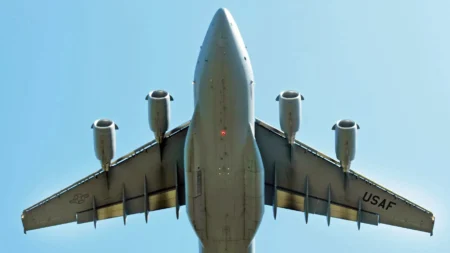
The C-17 Globemaster III features a unique asymmetry in its under-fuselage sponsons, showcasing how asymmetrical designs have historically played a role in aviation. From WWII innovations to modern-day applications like Burt Rutan’s experimental aircraft, different eras explored asymmetry to address various challenges, highlighting both the complexity and adaptability of aviation engineering.
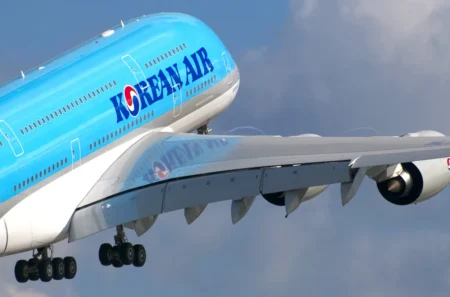
The Airbus A380 is primarily seen on high-demand routes. However, airlines sometimes assign it to less common routes based on operational needs or changes in demand. In 2025, rare sightings of the A380 occurred on routes such as Qantas’ Melbourne to Singapore and Asiana’s Seoul to Barcelona, showcasing strategic yet uncommon uses of the aircraft.
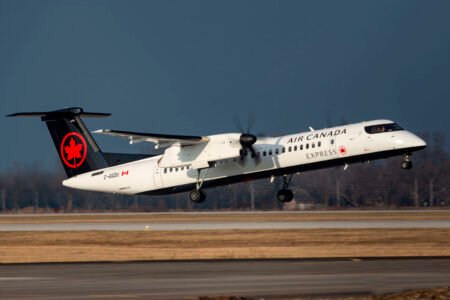
Air Canada is enhancing its Dash 8-400 fleet with new ergonomic seating and free Wi-Fi, aiming to align regional flying with mainline standards. The updates on 25 aircraft will boost passenger comfort and offer a premium feel on short routes. This effort highlights Air Canada’s commitment to passenger experience and regional connectivity.
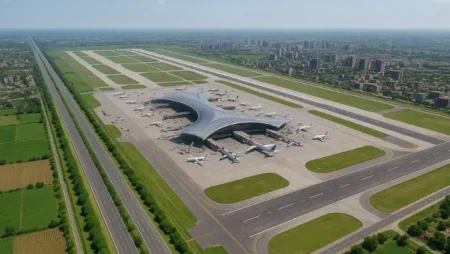
Noida International Airport in Jewar will be inaugurated on October 30, with commercial operations starting shortly after. As Asia’s largest airport, it will initially connect to at least ten cities, providing a key aviation hub in the National Capital Region. The project aims to eventually accommodate 70 million passengers annually across four phases, with significant infrastructure readiness already achieved.
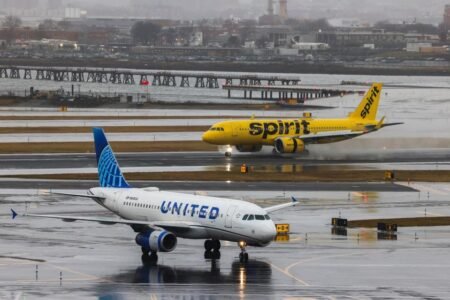
United Airlines has decided not to bid for Spirit Airlines’ assets, citing the lack of strategic alignment and significant reconfiguration costs. Instead, United focuses on expanding its current routes and increasing fleet capacity through organic growth. While United abstains, other carriers might pursue Spirit’s available aircraft and routes.
flydubai will begin a new service to Nairobi from Dubai, operating four times weekly starting October 15, 2025. Additionally, the airline will increase its flights to Mombasa to daily operations from October 1, 2025, expanding its total weekly flights to Kenya to 11. This expansion highlights the strategic importance of the Kenyan market to flydubai’s growing network in Africa.