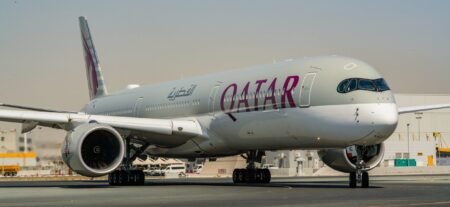
On a Qatar Airways flight from Doha to New York, an economy passenger faced distressing behavior from an elderly seatmate, prompting calls for improved crew intervention. The incident, involving perceived threats and personal space violations, exemplifies the challenges of maintaining passenger safety and comfort.
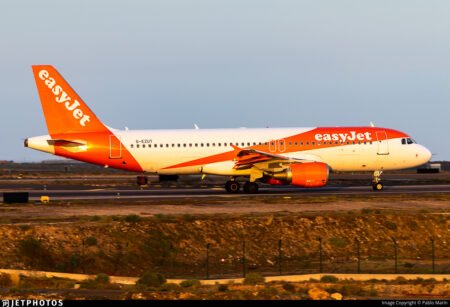
A serious near-collision incident occurred at Nice-Côte d’Azur Airport involving EasyJet and Nouvelair aircraft, with only three meters separating them. The EasyJet plane aborted its takeoff as the Nouvelair aircraft passed overhead, prompting an investigation by the French Bureau of Enquiry and Analysis for Civil Aviation Safety. Poor weather conditions are suspected to have contributed to the incident’s severity.
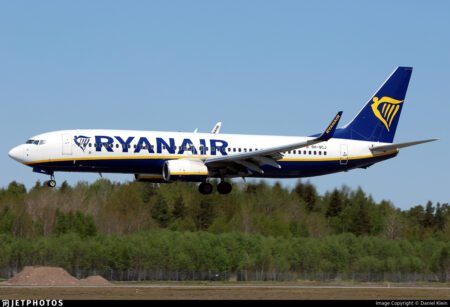
Ryanair flight FR642, a Boeing 737-800, declared a loss of communication over London Stansted. Emergency response protocols were triggered, ensuring the aircraft’s safe landing. The flight, originating from Valencia, safely touched down at Stansted’s runway 04 after more than two hours.
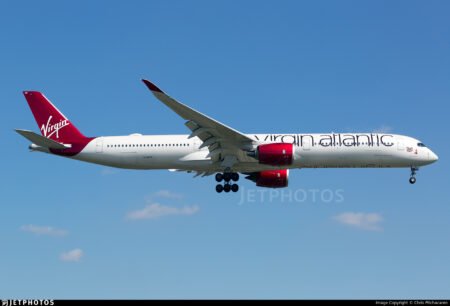
Virgin Atlantic flight VS76 from Orlando to Manchester diverted to Keflavik, Iceland, due to a medical emergency. The Airbus A350-1000, carefully rerouted to provide urgent medical assistance, exemplifies Virgin Atlantic’s commitment to passenger safety with well-established emergency protocols. Subsequent to the intervention, the flight re-continued to its destination without significant delays.
Air India Flight AI162 experienced a takeoff abortion at Heathrow due to a missing passenger, showcasing the airline’s adherence to security measures. The incident, alongside a similar delay on another Dreamliner, reflects the necessary balance between safety and punctuality.
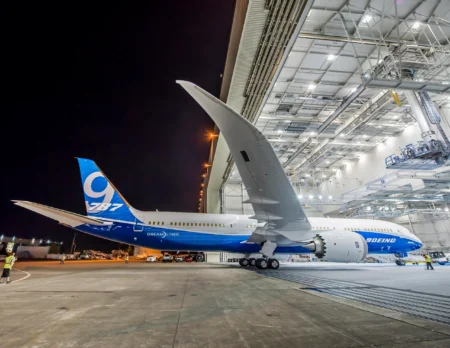
Air Astana’s plans to launch flights from Kazakhstan to New York’s JFK airport face delays due to Boeing 787-9 delivery issues and the avoidance of Russian airspace, prompting consideration of a European layover for the route. The airline’s fleet expansion is hindered, affecting service timelines to the U.S.
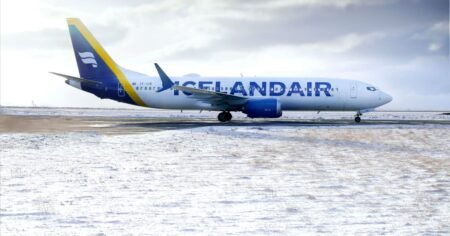
Icelandair will end its flight service to Detroit’s airport in January 2026, driven by lower performance compared to other US destinations. While the Detroit route is being suspended, Icelandair continues to strengthen its presence in the US, with plans for network expansion and increased seat offerings across various cities, bolstered by new aircraft deliveries.
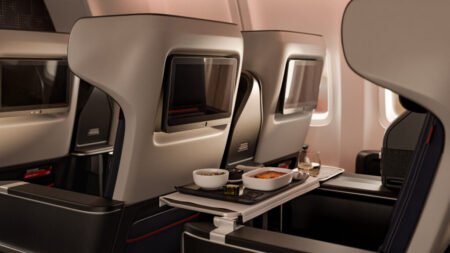
Delta Air Lines is retrofitting its Airbus A350 cabins with enhancements like memory-foam seating and advanced lighting. These changes, aimed at aligning product consistency and improving passenger comfort, address both the functional needs of long-haul flights and strategic revenue goals by increasing premium seating capacity.
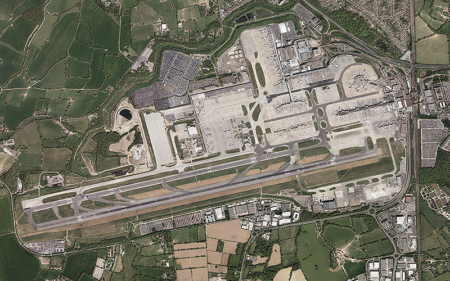
The UK government has approved the construction of a second runway at London Gatwick Airport, marking a major aviation expansion. The privately-financed project, costing £2.2 billion, will enhance Gatwick’s capacity from 280,000 yearly flights to 389,000 by the late 2030s, with passenger numbers potentially reaching 80 million annually. This development is part of the UK’s broader aviation strategy to increase airport capacity.
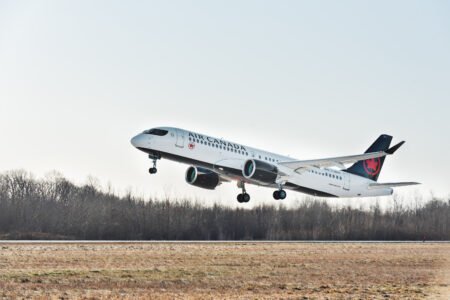
Air Canada will introduce three new routes connecting Toronto and Montreal with San Antonio, Cleveland, and Columbus in May 2026, operated by Airbus A220 and Embraer E175 aircraft. These strategic additions aim to meet growing demand for direct travel between Canada and mid-sized U.S. cities, supporting both business and leisure tourism.