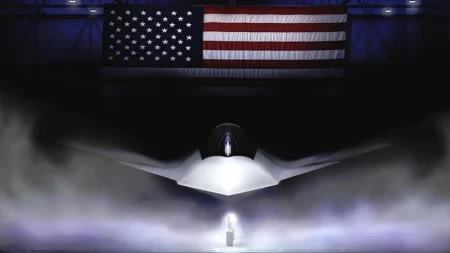
The U.S. Air Force has revised the timeline for the first flight of the F-47 fighter jet to 2028, earlier than previously planned. This decision, announced by Gen. David Allvin, underscores the urgency to maintain air superiority. The F-47 boasts advanced features, including a combat radius surpassing 1,000 nautical miles and speeds over Mach 2, promising significant improvements in radar evasion.
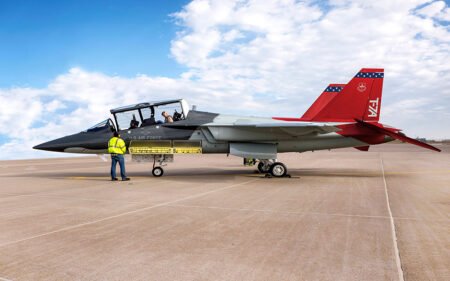
Boeing has unveiled a video detailing the progress of the T-7A Red Hawk’s flight testing, designed for modern pilot training using digital technologies. The aircraft, replacing the older T-38 Talon, features advanced avionics and integrated simulations to enhance pilot readiness and system safety. With several test units already delivered, the project is advancing through its development stages, promising further efficiencies and adaptability in military training operations.
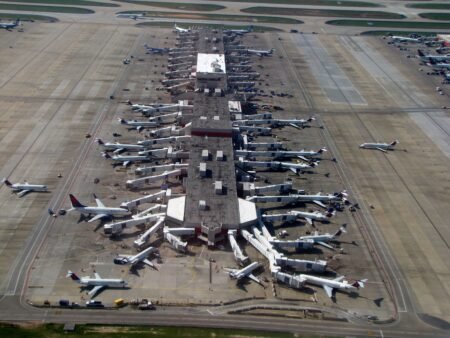
Hartsfield-Jackson Atlanta International Airport remains the busiest US airport in 2025 due to its strategic role for Delta Air Lines. As a key hub, ATL handles extensive passenger volumes and global destinations. The airport’s infrastructure and Delta’s dominance ensure ATL’s continued prominence in aviation.
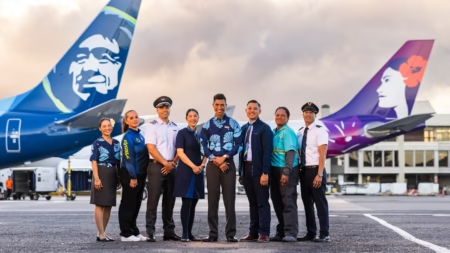
Alaska Air Group is boosting its premium lounge offerings following its merger with Hawaiian Airlines to enhance transpacific travel. With expansions planned across Seattle, Honolulu, and San Diego, these developments feature efficient designs and island hospitality. The lounges aim to serve premium passengers with advanced facilities, aligning with new transpacific routes and encouraging reciprocal lounge benefits through Atmos Rewards by 2025.
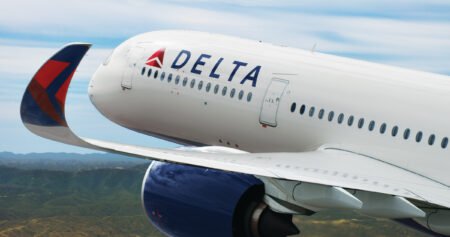
In 2025, Delta Air Lines leads the global ranking of the richest airlines, owing to its significant market value and asset base. United Airlines follows closely due to its extensive network and strategic investments. European groups like Lufthansa and IAG, along with Gulf powerhouse Emirates and Chinese giants, remain influential players, illustrating diverse strategies for financial success in worldwide aviation.
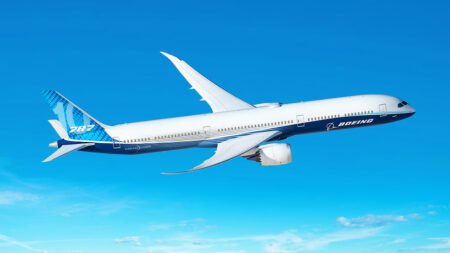
The Boeing 787 Dreamliner has become the best-selling widebody aircraft, reshaping long-haul travel with its efficiency and ability to open new routes. This dominance challenges Airbus, primarily with its A330neo and A350 models. The Dreamliner’s success pressures Airbus to innovate, especially in the mid-size market, to compete effectively.
Boeing’s stock rose by 2% following reports of a potential order from China for up to 500 jets, marking the end of a significant period without Chinese orders. Such a deal would enhance Boeing’s production and financial stability, benefitting earnings and backlog. Analysts remain generally optimistic about Boeing despite recent stock fluctuations.
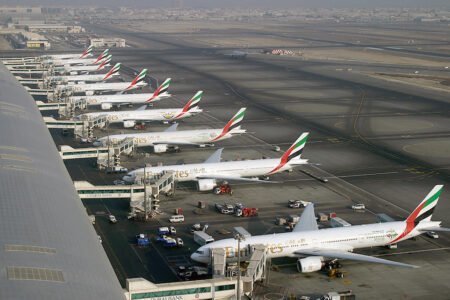
Emirates operates an exclusive all-widebody aircraft fleet dominated by the Boeing 777 and Airbus A380 as of 2025. The airline maintains the largest global fleets of these models and has started integrating Airbus A350s to further diversify its operations. Emirates continues to provide luxury features across its fleet, highlighting a commitment to both capacity and comfort.
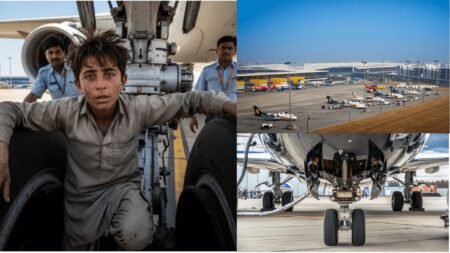
A 13-year-old Afghan boy survived a dangerous journey from Kabul to Delhi by hiding in the landing gear of a Kam Air A340 airplane. The teenager, seeking to reach Iran, mistakenly flew to Delhi. Despite the severe risks of such a stowaway attempt, including freezing temperatures and low oxygen, he emerged unscathed. Authorities returned him to Kabul after questioning.
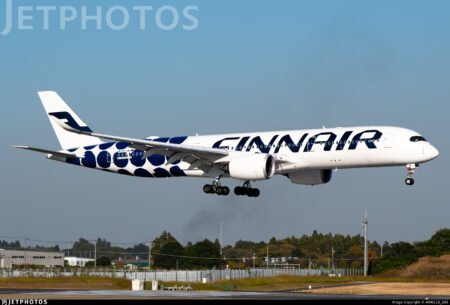
Finnair flight AY1331, operating an Airbus A350-941, turned back to Helsinki mid-flight over Denmark for reasons not yet disclosed. The flight landed safely on runway 22L after a journey of 2 hours and 39 minutes. Updates on the situation are ongoing.