
The January 29 midair collision near Washington DC has led victims’ families to file a lawsuit against American Airlines, its subsidiary PSA Airlines, the US Army, and the FAA, accusing them of negligence and systemic failures. The suit addresses unsafe arrival scheduling, excessive helicopter altitude, and insufficient air traffic control measures. This case could prompt widespread industry changes, affecting airline accountability, airspace management, and regulatory standards.
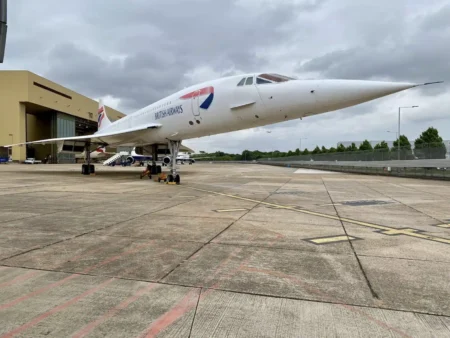
The Concorde Supersonic Jet was an iconic symbol in aviation history for almost thirty years, offering unique experiences at airports like London Heathrow, Paris Charles de Gaulle, and New York JFK. Spotters from around the world cherished the opportunity to witness its supersonic speed and distinctive design. Although it retired in 2003, Concorde’s legacy continues to fascinate aviation enthusiasts.
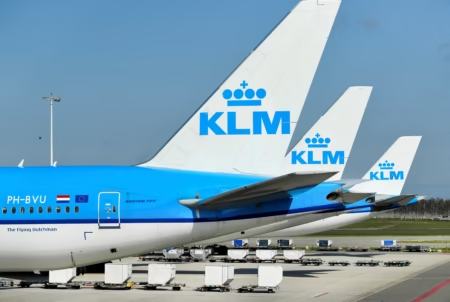
KLM is facing a financial setback with losses surpassing €30 million attributed to strikes by ground crew at Amsterdam Airport Schiphol. Continuing industrial actions threaten to augment these losses by an additional €10 million. The ongoing disruptions come as KLM navigates a rigorous cost-saving program against a backdrop of stiff competition and heightened aviation taxes.
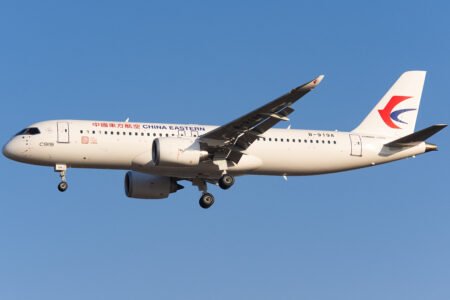
Comac has significantly reduced its delivery targets for the C919 narrowbody jet due to production slowdowns. Originally planning 75 deliveries by 2025, the target is now 25 aircraft, a reduction caused by supply chain constraints and trade-related export bans. Current orders remain domestic, while international interest gathers, pending further developments.
Dubai International Airport (DXB) has been named the leading low-cost hub in the Middle East by the OAG Mega Hubs 2025 report and ranks 5th globally, reflecting its robust aviation strategy. Handling over 92 million passengers in 2024, DXB is effectively balancing its premium services with its growing low-cost operations, further solidifying its position as a major aviation hub both regionally and globally.
In 2025, US commercial pilots are among the highest paid worldwide, reflecting the demanding 1,500-hour licensing rule. Starting salaries for new pilots range from $40,000 to $60,000 in corporate roles, progressing to competitive salaries in Part 135 operations, regional airlines, low-cost carriers, and ultimately, legacy airlines. The pay structures vary significantly based on experience, carrier, and specific roles, highlighting the diverse opportunities for pilots across the aviation industry.
Business class cabins offer a superior flying experience marked by privacy, comfort, and technological advancements. This article evaluates six of the most comfortable business class seats, comparing features like seating arrangements, privacy, and technological amenities. Airlines featured include Qatar Airways, ANA, Japan Airlines, Air France, Etihad Airways, and Cathay Pacific, all providing exceptional amenities.
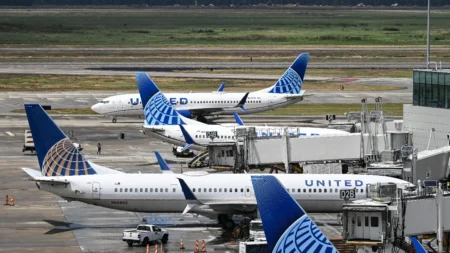
United Airlines grounded flights across the U.S. and Canada due to a connectivity issue, affecting major hubs like Chicago O’Hare and Newark Liberty. The incident was resolved quickly, but analysts emphasize the importance of robust IT systems to prevent reputational damage from repeated technical failures.
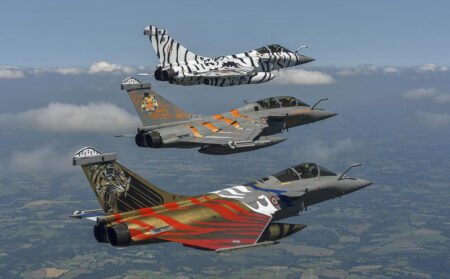
NATO Tiger Meet 2025 in Beja, Portugal, captivated aviation enthusiasts by hosting Spottersday, which included over 80 aircraft movements as part of Europe’s largest air exercise. Participants from multiple NATO nations engaged in two weeks of intensive training to improve international interoperability, with Spottersday providing access to view maneuvers of aircraft like Eurofighters and F-16s.
The European aviation sector shows strong growth in 2025, with Istanbul Airport leading as the busiest. London Heathrow and Paris Charles de Gaulle follow, maintaining major international roles. Southern European airports and rapid growth at Istanbul Sabiha Gokcen and Munich indicate significant trends within the continent’s aviation network.