

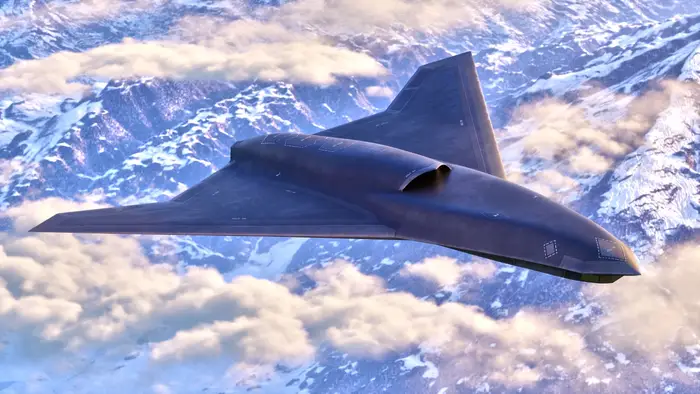
Lockheed Martin‘s New Vectis Stealth Drone: A Game-Changer in Modern Combat
Lockheed Martin’s Skunk Works division has recently introduced the Vectis, a groundbreaking drone described as a “survivable and lethal Collaborative Combat Aircraft (CCA).” Bearing the Group 5 classification, the Vectis is engineered to support both air-to-air and air-to-ground missions, operating alongside crewed fighters such as the F-35. The company projects the drone will take its inaugural flight within the next two years, with current developments already in progress.
Innovative Features and Enhanced Affordability
A significant aspect of the Vectis program is its cost-effectiveness. Lockheed Martin emphasizes that this aircraft will be available at a competitive ‘CCA price point,’ ensuring it is more affordable than piloted fighters while maintaining a high standard of performance and survivability. This is achieved through the integration of open systems architecture, digital engineering techniques, and a modular design from the onset of development.
Capabilities and Versatility
The Vectis is equipped to handle a variety of missions, including precision strikes, intelligence gathering, surveillance and reconnaissance, electronic warfare, and offensive and defensive counter-air operations. It functions both independently and as a ‘loyal wingman’ to crewed aircraft, enabling missions in high-risk environments while keeping human pilots out of harm’s way.
One of its standout features is its stealth capabilities. Lockheed Martin suggests that the Vectis will provide “best-in-CCA class survivability,” leveraging extensive expertise in stealth design, materials, and signature suppression. Although specific metrics such as radar cross section and top speed remain undisclosed, the Vectis benefits from insights gained from previous stealth and uncrewed projects.
Flexibility is also critical in its design. The open systems architecture facilitates the integration of payloads, sensors, and mission systems from a variety of vendors, offering users a broad range of options. Additionally, the Vectis is intended for frequent use with simple maintenance requirements, ensuring durability and reliability.
Development Timeline and Cost Considerations
Prototype components for Vectis have already been ordered, and initial construction is underway, aiming for a first flight in two years. Success in this timeline will depend on supplier efficiency, regulatory compliance, and the pace at which mission systems are developed, although delays are commonplace in the aviation industry.
Despite its cutting-edge stealth and capabilities, Lockheed Martin is committed to keeping Vectis affordable. By leveraging modern manufacturing and digital engineering technologies, they intend to minimize production and lifecycle costs compared to traditional crewed fighters. The firm assures that while Vectis might not be inexpensive, it will cost less than a manned stealth fighter.
Competing Technologies and the Future of Uncrewed Drone Combat
Several companies are also developing ‘loyal wingman’ drones. Boeing, for instance, is advancing the MQ-28 Ghost Bat for the Royal Australian Air Force (RAAF), which serves a similar CCA role combining stealth, survivability, and cost-effectiveness. Boeing reports that their project is progressing ahead of schedule.
These uncrewed drones represent a future shift in air combat fleets. They are more cost-effective and flexible due to their lack of a human operator, promising enhanced operational and developmental affordability. These aircraft, which incorporate AI and can be controlled from other aircraft, offer greater payload capacities and survivability compared to their predecessors.
| Loyal Wingman Aircraft In Development | Nation |
|---|---|
| Bayraktar Kızılelma | Turkey |
| Boeing MQ-28 Stingray | Australia |
| HAL CATS Warrior | India |
| Hongdu GJ-11 | China |
| Kratos XQ-58 Valkyrie | United States |
| Kronshtadt Grom | Russia |
| Lockheed Martin Vectis | United States |
| Sukhoi S-70 | Russia |
| TAI Anka-3 | Turkey |
The Vectis and similar initiatives will likely face the significant challenge of meeting ambitious targets while ensuring effective integration with crewed aircraft systems. However, their simplified development process compared to crewed fighters may prove advantageous.