
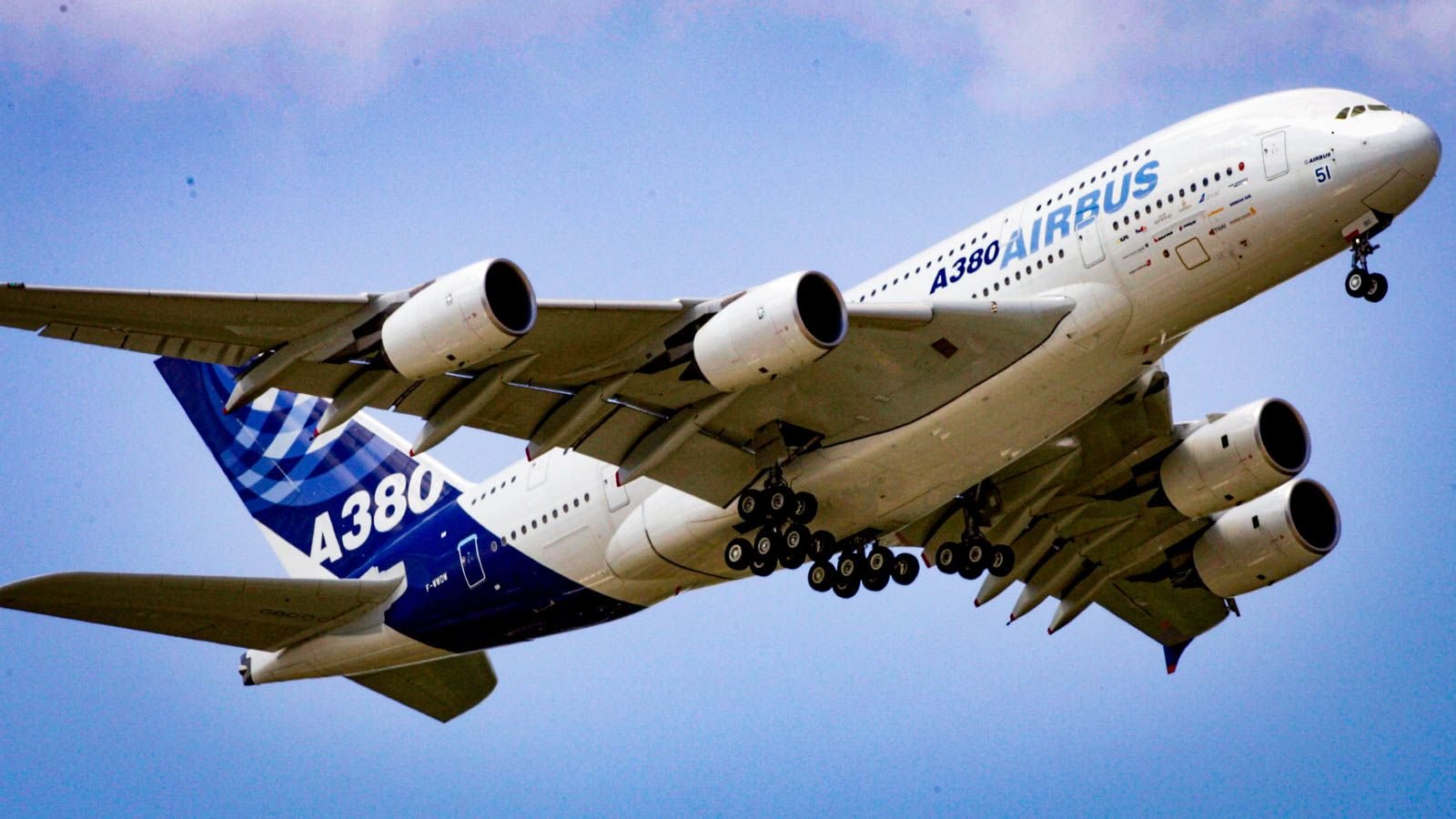
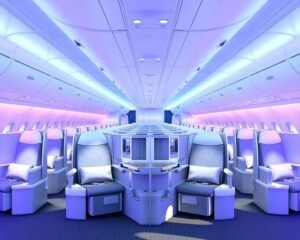
The Airbus A380, the world’s largest passenger airliner, continues to captivate aviation enthusiasts and travelers alike with its grand design and opulent interiors. First launched in 2005, this double-decker behemoth redefined long-haul travel by offering unparalleled comfort and capacity. With its generous interior space, airlines have transformed this aircraft into a flying luxury hotel, providing unique amenities that elevate the passenger experience to new heights.
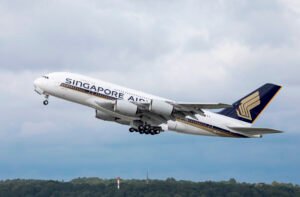
Initially introduced by Singapore Airlines in 2007, the Airbus A380 was designed to tackle airport congestion by maximizing seat capacity on popular routes. It stretches 239 feet long with an impressive 262-foot wingspan, surpassing the iconic Boeing 747 in both dimensions. The A380’s full double-deck layout allows for varied cabin configurations, accommodating anywhere from 500 to 850 passengers depending on the setup. This flexibility has enabled airlines to implement innovative cabin designs, enhancing passenger comfort and satisfaction.
The aircraft’s lower deck, with a width of 21 feet 7 inches, provides the most spacious economy class options available, preventing the claustrophobic conditions often found in other airliners. The generous space allows for creative offerings from airlines. For instance, Emirates and Etihad Airways have utilized this space to create luxurious lounges, showers, and even suites, transforming the travel experience into one of indulgence.
The A380’s cockpit is another marvel of modern aviation technology. Airbus incorporated cutting-edge design features, including an elaborate glass cockpit with ten large displays, which provides pilots with the tools necessary to navigate the world’s largest passenger airliner effectively. This high level of automation and commonality with other Airbus models ensures a seamless transition for pilots across the fleet.
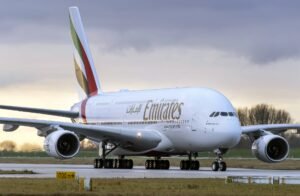
Despite its passenger success, the A380 faced challenges in cargo capacity. The structural design, focused primarily on passengers, limited its ability to carry significant freight. This limitation, combined with the rising demand for more fuel-efficient aircraft, impacted the A380’s longevity in the competitive aviation market. Nevertheless, airlines like Emirates, British Airways, and Qantas continue to operate A380 fleets, leveraging the aircraft’s unique attributes and luxury offerings to provide an unmatched flying experience.
As the Airbus A380 continues to soar across the globe, it remains a symbol of aviation ambition and innovation, enhancing the way we experience air travel and reshaping the possibilities of long-haul flights.