
Government Approval for Gatwick’s Second Runway
The UK government, through Transport Secretary Heidi Alexander, has sanctioned plans to construct a second runway at London Gatwick Airport. This decision marks a major expansion in UK aviation, transforming Gatwick from Europe’s busiest single-runway airport into a dual-runway operation. By the late 2030s, the airport is expected to manage nearly 390,000 flights annually.
Project Overview
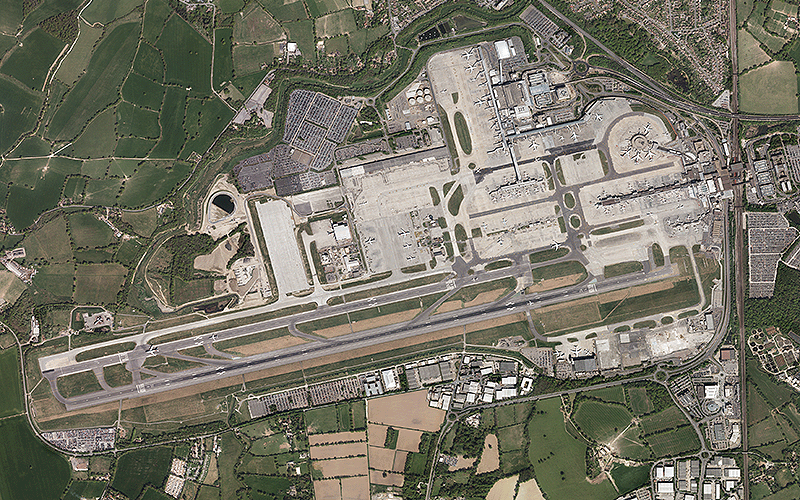
The project, financed privately at a cost of £2.2 billion, will relocate the existing Northern Runway 12 meters to make it fully operational. Other developments include the enlargement of terminals to accommodate increased passenger volume. This plan will optimize current infrastructure and create additional capacity.
Massive Capacity Expansion
- Gatwick currently processes over 40 million passengers annually.
- The airport now handles around 280,000 flights each year.
- Post-expansion, flight operations could reach 389,000 annually by the late 2030s.
- The project allows for 40,000 additional flights prior to the second runway’s launch, increasing by 70,000 once it is fully operational.
- Passenger numbers could potentially rise to 80 million per year, doubling current capacity.
Strategic Utilization of Runways
Currently, the Northern Runway serves primarily for taxiing and backup purposes. Once operational, this runway will accommodate short-haul flights, freeing up the main runway for long-haul services. Such distribution will enhance operational efficacy for both European and intercontinental routes.
Implementation Timeline
The goal of inaugurating the new runway before the next general election points to an accelerated development timeline. This process will necessitate streamlined planning and effective construction management. A phased approach will be employed, adding 40,000 flights early on, which will leverage immediate capacity benefits while major construction continues.
Part of National Aviation Strategy
The expansion at Gatwick is a key component of the UK’s aviation strategy, providing ample additional capacity for the London area without the accompanying political and environmental debates akin to Heathrow’s proposed third runway. A £2.2 billion investment with the potential to nearly double current passenger capacity signifies one of the nation’s largest aviation infrastructure endeavors in recent history, reshaping the aviation landscape in Southeast England.