
Fiji Airways Eliminates Business Class Amenity Kits
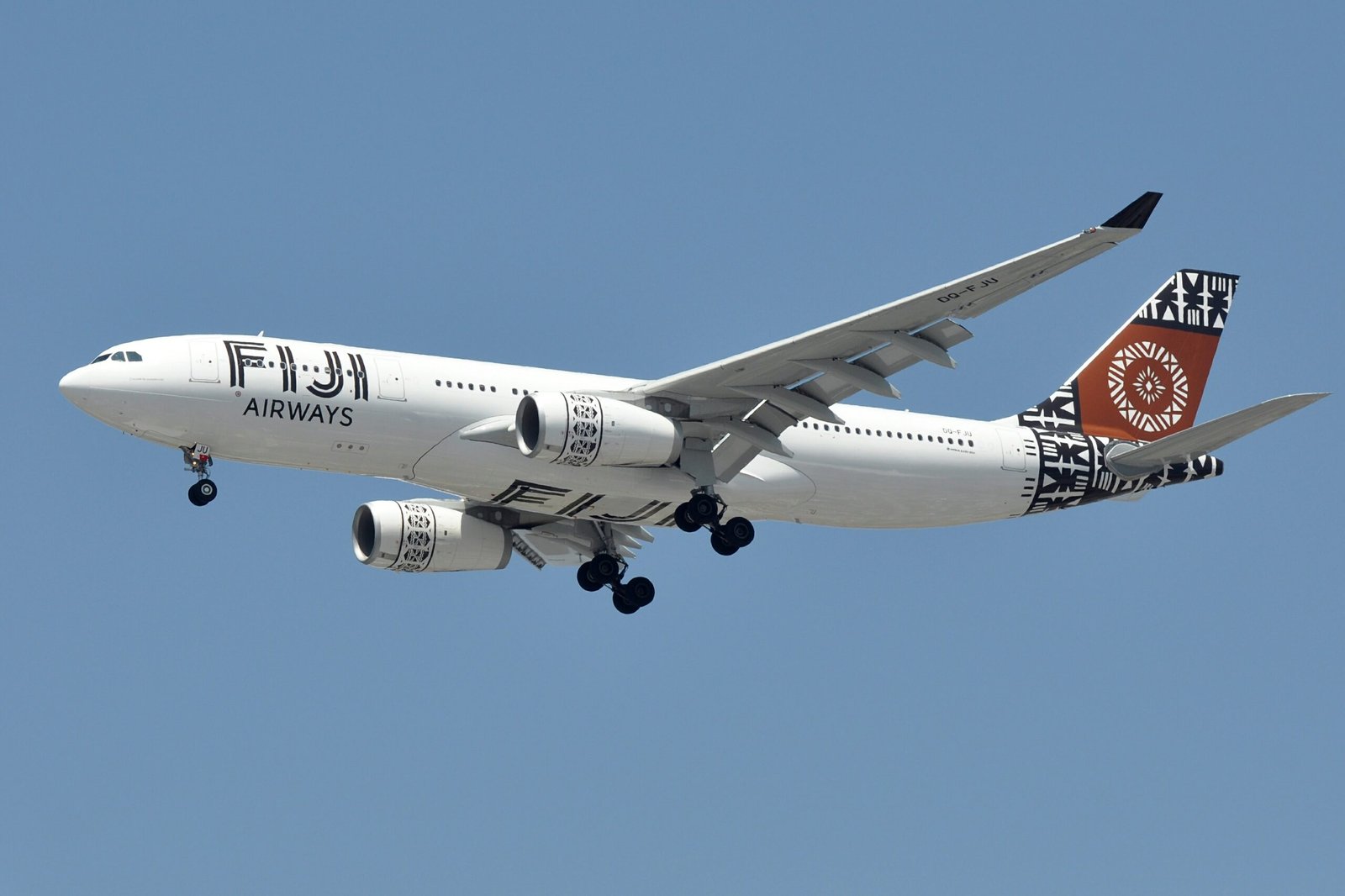
Fiji Airways (FJ) is making a significant change to its premium cabin service by eliminating traditional business class amenity kits. The airline, headquartered at Nadi International Airport (NAN), cites its commitment to sustainability and cost-effectiveness as the driving factors behind this decision.
Instead of providing pre-packed kits, passengers will now receive individual essential items directly from a tray during their flight. This new approach aims to reduce waste while offering flexibility and maintaining passenger comfort.
A Strategic Move Towards Efficiency
Fiji Airways has been recognized for balancing high-quality service with strategic business decisions. In comparison to other national carriers from island nations such as Air Tahiti Nui (TN), Air Mauritius (MK), and Air Seychelles (HM), Fiji Airways has remained profitable while delivering a well-regarded travel experience.
The decision to end the distribution of amenity kits highlights the company’s practical approach. According to outgoing CEO Andre Viljoen, years of observation revealed that many passengers left the kits unopened or used only a few items, resulting in substantial waste and unnecessary expenses.
Selective Distribution Model
Reportedly, Viljoen described this change as a way to “differentiate and offer something better.” Instead of providing a sealed pouch, cabin crew will now circulate through the cabin offering passengers the choice of individual items such as moisturizers, eye shades, socks, or lip balm. This ensures that resources are utilized only by those who need them.
Balancing Luxury and Sustainability
Amenity kits are traditionally viewed as a hallmark of business class travel. While some passengers collect them as souvenirs, others appreciate the convenience of having pre-packaged items during flights. Airlines see these kits as subtle brand reminders once passengers reuse them at home.
However, many kits end up discarded, contributing to environmental waste. By adopting a selective distribution model, Fiji Airways aims to reduce its environmental impact while investing in other aspects of the customer experience. This strategy honors passenger expectations but redefines luxury as practicality combined with choice.
Passenger Reactions
This decision diverges from a broader trend in premium air travel, where many airlines invest heavily in branded amenity kits. Competitors often partner with luxury brands to create collectible pouches, which are considered part of the aspirational image of business class.
Fiji Airways, however, focuses on efficiency and customer-centric service over branding extras. Frequent flyers may appreciate this move towards sustainability, while others who relish collecting amenity kits might view it as a downgrade.
The long-term perception of this change will likely depend on the airline’s performance in other areas of the business class experience, including food quality, comfort, and in-flight service.
Conclusion
Fiji Airways is removing business class amenity kits on flights from Nadi International Airport (NAN). The leadership believes this change will reduce waste and optimize resources, aligning with a growing industry focus on sustainability. While the decision might surprise travelers accustomed to the tradition, it is a step toward modernizing air travel with environmental consciousness.