
FAA Mandates Boeing 787 Dreamliner Inspections
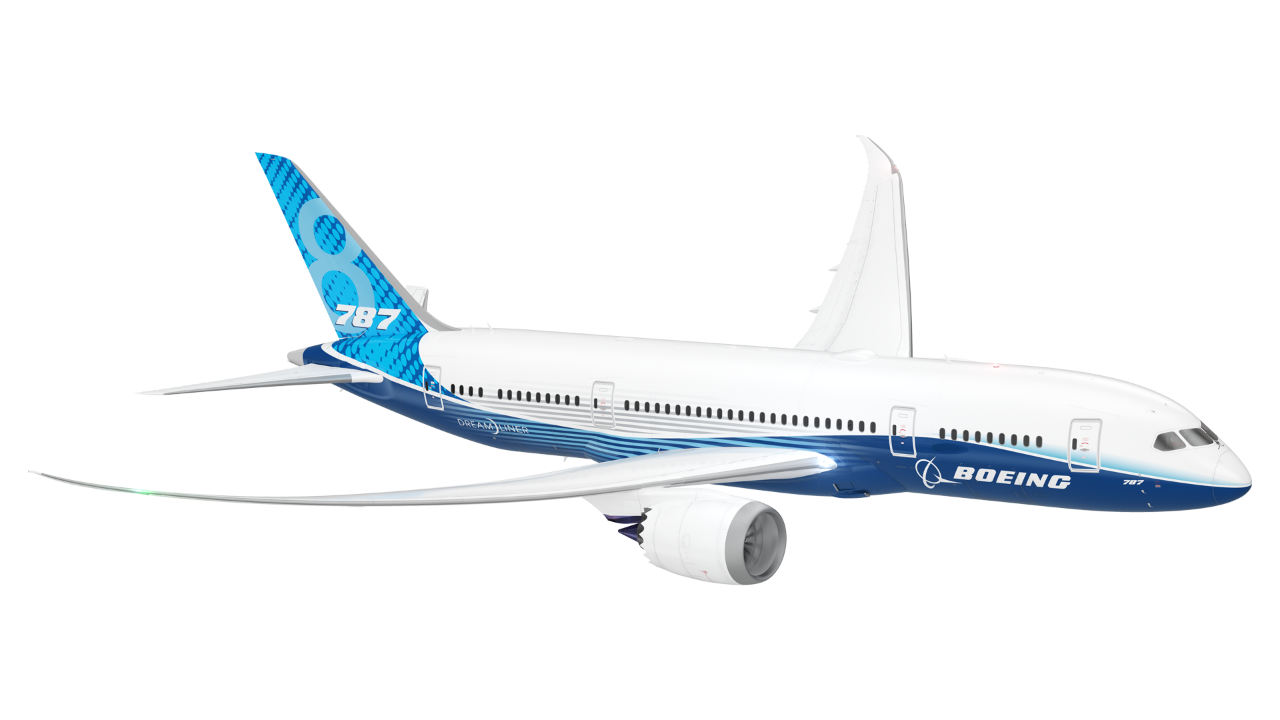
The Federal Aviation Administration (FAA) has issued a directive requiring inspections on 119 Boeing 787 Dreamliners operated by U.S. airlines, including American Airlines (AA). The directive comes as a response to potential faults in oxygen masks, which may malfunction during cabin depressurization at airports such as Dallas/Fort Worth (DFW). This measure targets specific kinked oxygen supply tubing, posing safety risks.
FAA Orders 119 Boeing 787 Inspections
The FAA is formalizing a rule for mandatory inspections of Boeing 787 aircraft operated by U.S. carriers, including American Airlines. The focus is on identifying kinked oxygen tubing in passenger masks, which might obstruct oxygen supply. This problem, while affecting a minority of units, presents a safety hazard that could lead to passenger injury.
- The FAA collaborated with Boeing and airlines to gather input on this issue.
- American Airlines sought a 48-month compliance period to match maintenance schedules, though this was reduced to 36 months by the FAA.
- An approved strategy allows for replacing entire oxygen panels to streamline repairs and ensure compliance.
The cumulative cost for inspecting and repairing these aircraft is estimated at $252,875, making it a relatively affordable directive.
Boeing 787 Safety Concerns
Previously, in August 2024, the FAA released an urgent directive following a LATAM Airlines incident involving a Boeing 787. A malfunctioning rocker switch in the pilot’s seat led to an accident where over 50 passengers sustained injuries. This occurred during a flight from Sydney to Auckland when a flight attendant accidentally activated a compromised switch, causing uncontrolled seat movement and aircraft descent.
| Date | Incident |
|---|---|
| August 2024 | LATAM Airlines flight experienced unintended nosedive due to faulty switch |
Investigations showed similar incidents in other Boeing 787 fleets. The FAA mandated immediate inspections and replacement of damaged switches in U.S.-operated Boeing 787s, addressing this critical safety issue.
Operational Impact on US Airlines
The 36-month timeframe for oxygen mask inspections aligns with existing maintenance schedules, reducing disruption at key airports like Dallas/Fort Worth. The minimal number of affected masks and simplified replacement process ensure efficient and cost-effective resolutions.
For the pilot seat switch issue, rapid compliance has reinforced cockpit safety, preventing similar accidents. These actions highlight the FAA’s commitment to maintaining safety standards across Boeing 787 operations.