
Hartsfield-Jackson Atlanta International Airport: USA’s Busiest Airport in 2025
Hartsfield-Jackson Atlanta International Airport (ATL) is anticipated to remain the busiest airport in the United States in 2025. This airport has consistently led in global passenger traffic since the turn of the millennium, barring only 2020. It serves as a critical hub for Delta Air Lines and a key operational asset within its network.
Overview of Hartsfield-Jackson Atlanta International Airport
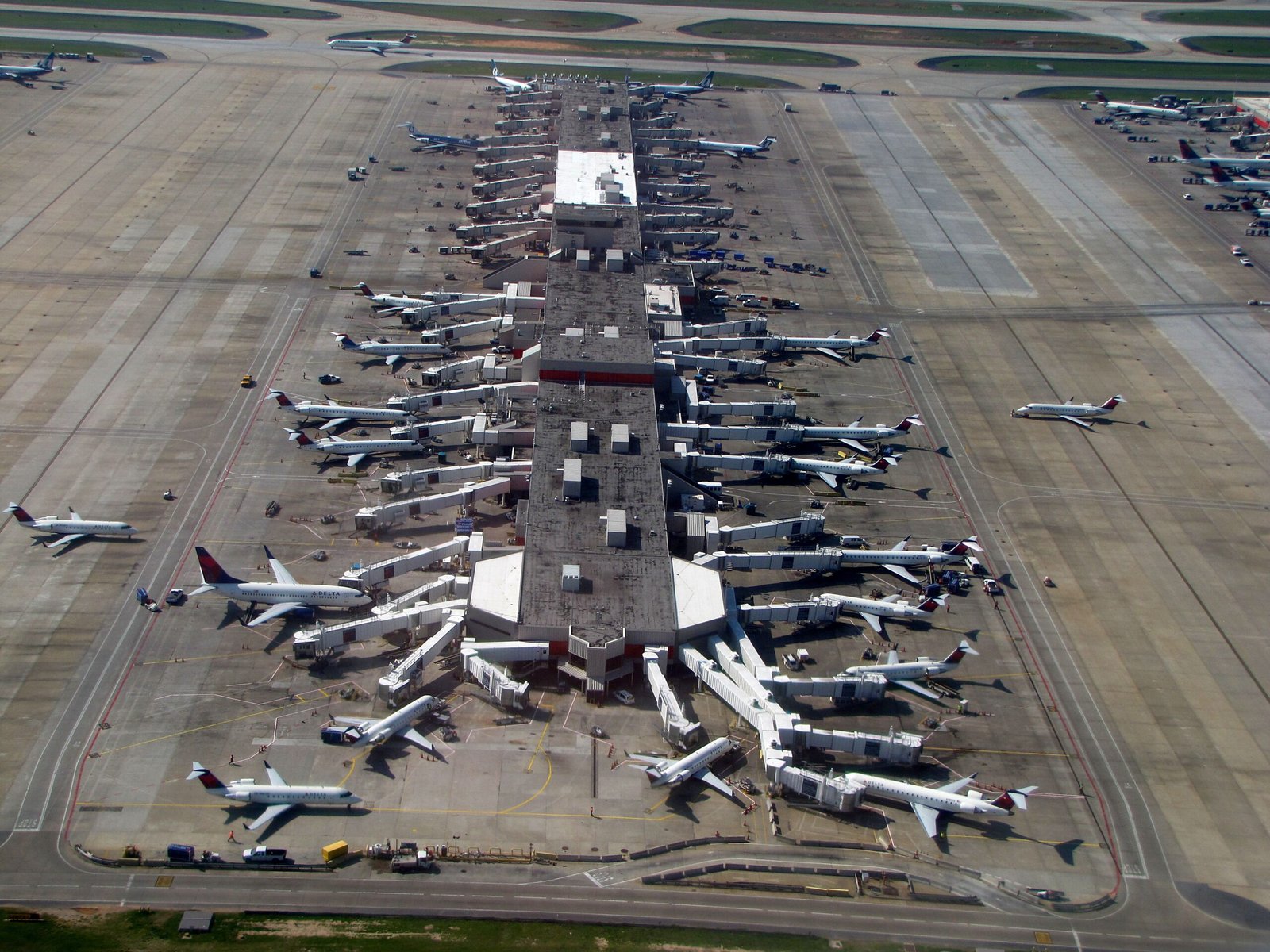
Located roughly ten miles south of downtown Atlanta, this major airport is named after former mayors William B. Hartsfield and Maynard Jackson. Since 1998, it has held the title of the world’s busiest airport by passenger numbers, except for a decline in 2020, rebounding to 108.1 million passengers in 2024. Additionally, it leads the world in aircraft movements.
As the largest single-airline hub globally, Hartsfield-Jackson serves over 200 destinations worldwide. Besides Delta, other carriers like Frontier Airlines, Southwest Airlines, and Spirit Airlines operate there, offering extensive international services.
- Facilities cover more than 4,700 acres.
- Connected to the metropolitan area by the MARTA system.
- Features five parallel runways, with the longest accommodating the Airbus A380.
The Rich History of Hartsfield-Jackson Airport
The airport originated in 1924 on a former racetrack site. Initially a hub for Eastern Air Lines and later Delta Air Lines, it saw significant growth, especially during WWII, and was rebranded multiple times. A significant terminal expansion took place in 1961 and later in 1980, culminating with the opening of a fifth runway in 2006.
Current Operations and Competition
Delta Air Lines continues to dominate ATL’s market with a 78% share, bolstered by its subsidiary, Endeavor Air. Southwest Airlines follows with a 7.1% share. The presence of low-cost carriers like Frontier Airlines and Spirit Airlines ensures competitive fares, particularly post-2015.
Internationally, airlines such as Virgin Atlantic, Turkish Airlines, and Qatar Airways have increased their Atlanta footprint. Accessibility is enhanced by the MARTA rail system, and a multitude of nearby hotels caters to passengers’ layover needs.
| Airline | ATL Market Share |
|---|---|
| Delta Air Lines (including Endeavor Air) | 78% |
| Southwest Airlines | 7.1% |
| Frontier Airlines | 4.28% |
Why Atlanta Is Essential for Delta Air Lines
As Delta’s primary hub, Atlanta strengthens the airline’s global network connectivity, serving as a key gateway to South America and Europe. The hub’s scale allows for strategic deployment of resources, facilitating year-round operations and optimizing the SkyMiles loyalty program.
Delta’s TechOps headquarters at this airport also contribute significantly to its revenue through outsourced services. The airport’s vast infrastructure supports Delta’s ability to maintain high levels of service frequency and reliability.
Conclusion
Hartsfield-Jackson Airport’s significance to Delta Air Lines cannot be overstated. It facilitates global connectivity and supports Delta’s superconnector business model, making it an essential node in both the airline’s network and the aviation sector at large. The airport’s role as a hub for growth and connectivity ensures its continued relevance in the coming years.