
Emirates’ Innovative Economy Class Seats: Overcoming Regulatory Hurdles
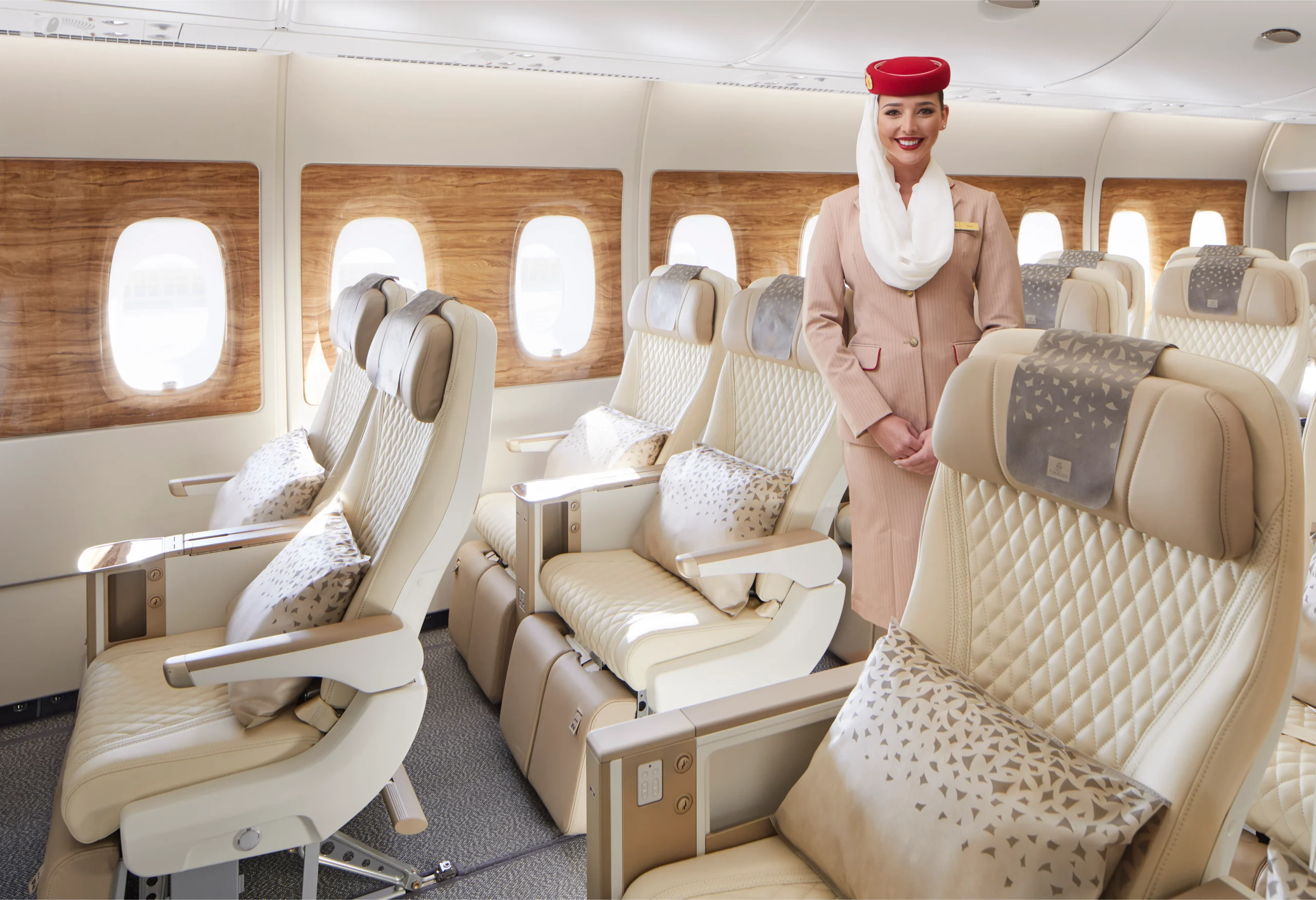
Emirates is developing new Economy Class seats to enhance passenger comfort on ultra-long-haul flights from Dubai International Airport (DXB). The airline sees this redesign as a potential transformative step for travelers embarking on journeys up to 17 hours in duration. However, Sir Tim Clark, the airline’s president, acknowledges challenges due to current cabin regulations. Despite this, Emirates is committed to improving passenger experiences while maintaining cost efficiency.
Emirates’ Next-Gen Economy Seats
Sir Tim Clark has been vocal about the aviation industry’s lack of focus on passenger comfort in Economy Class. Instead of increasing seat width or legroom, which could reduce seat capacity and revenue, Emirates is working on seat ergonomics and geometry to make long-haul flights more comfortable.
- One idea involves increasing seat height for better back and head support.
- Manufacturers, however, have identified regulatory concerns over taller seats blocking cabin crew’s line of sight, per existing safety standards.
Emirates argues against this rule, pointing out that modern aircraft, like the Airbus A380, already integrate multiple surveillance cameras. Furthermore, Business and First Class cabins with privacy walls and doors have obtained regulatory approval through specific workarounds, such as small gaps for crew visibility.
Design Challenges
The key challenge is balancing innovative designs with compliance standards. While taller seats could significantly improve comfort, they also conflict with existing safety requirements. Clark has expressed his frustration with seat manufacturers over these challenges, advocating for solutions like camera integration or modified seat designs. Regulatory caution is, however, impeding advancement.
Industry Comparisons and Previous Attempts
Other airlines have pursued similar innovations with varying successes. Etihad Airways, headquartered at Abu Dhabi International Airport (AUH), previously attempted to innovate Economy seating but faced similar regulatory limitations, leading to minimal changes, such as a fixed wing headrest instead of a complete redesign.
This scenario underscores a broader industry issue where the ambition to enhance Economy comfort meets regulatory and financial challenges. Nevertheless, Emirates remains determined to push design boundaries.
Future Outlook
Although specific details of the new design remain undisclosed, Clark aims to focus on seat contours, support for legs and feet, and reducing passenger fatigue. Should this project succeed, it could redefine comfort expectations for long-haul flights.
For now, passengers will have to wait as airlines, manufacturers, and regulators continue to navigate the complexities of innovation within stringent aviation standards.