
Delta Air Lines Faces Challenges with Main Cabin Returns
Delta Air Lines (NYSE: DAL) recently shared at the Morgan Stanley’s Laguna Conference a disappointing performance in transatlantic markets for the summer. The airline noted that July and August no longer represent peak times for high-end European leisure travel, with premium revenue now peaking in October. Notably, well over half of Delta’s revenue stems from non-main-cabin streams, such as premium services and ancillaries, while main cabin margins have remained flat or decreased.
Main Cabin Underperformance as a Risk Factor
Main cabin underperformance is viewed as a key risk for Delta, particularly in a competitive landscape where United Airlines is seeing expanded margins in economy seating. Delta’s leadership acknowledges these challenges and has proposed increasing its premium seating mix to address this issue. This strategy, however, presents potential premium-oriented risks for the airline.
Main Cabin as Delta’s Weak Link
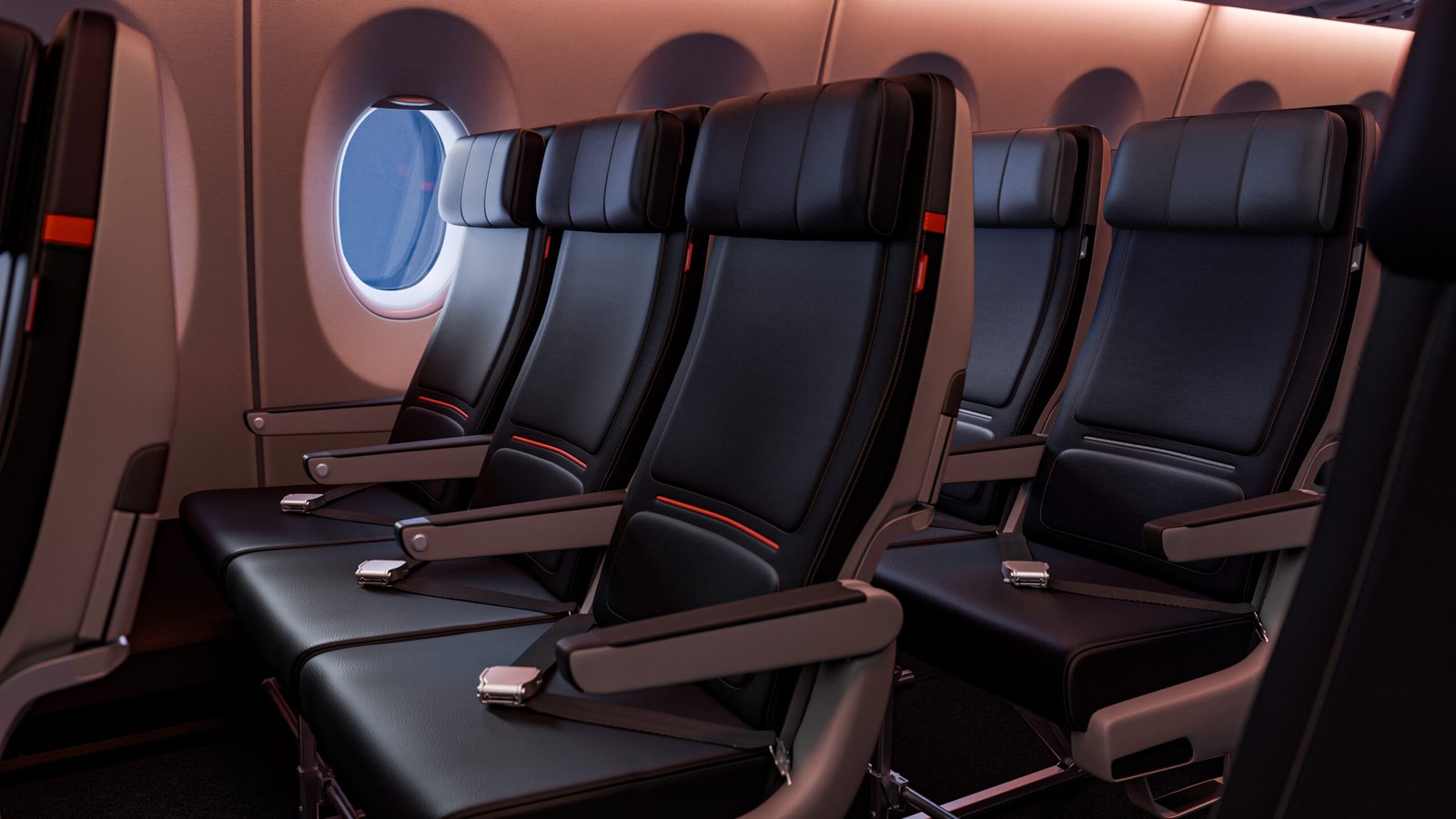
During the conference, Delta President Glen Hauenstein highlighted the main cabin as a weak area, especially in terms of transatlantic summer demand. Management expressed concern as Hauenstein described returns as negative, calling this situation unacceptable. He emphasized that while Delta’s business model is less reliant on economy tickets, it remains crucial for main cabin margins to achieve positive outcomes for overall solid results.
In the short term, Delta considers reducing off-peak main cabin capacity to yield better results. The airline plans to boost its commitment to premium traffic, including an expansion of Comfort+ seating. As Hauenstein noted, “There will be a rationalization of main cabin capacity, which should improve main cabin results over time.”
Potential Risks of Overexposure to Premium Traffic
Delta’s focus on high-yield travelers, including corporate and high-end leisure travelers, is a response to subpar main cabin performance. However, this shift carries risks, as high-end travel demand can decline during economic downturns. Delta’s investment in high-end products, such as refitting widebody aircraft and upgrading lounges, involves significant capital expenses, with potential consequences if operational issues arise.
On long-haul routes, premium demand can be seasonal and inconsistent, limiting Delta’s ability to adjust yield management strategies if premium demand weakens.
United Airlines’ Steady Performance
United Airlines presents a contrasting case, maintaining stable main cabin yields and expanding capacity where price-sensitive demand is robust. Unlike Delta, United’s strategy does not compromise on premium-oriented valuation potential.
| Airline | Strategic Decision |
|---|---|
| United Airlines | Diversify exposure and generate margin expansion across all cabins |
| Delta Air Lines | Focus on premium cabin margin growth |
This strategy leaves Delta more vulnerable to shifts in premium demand than United. Delta’s recent comments underscore an increased focus on premium, which reduces flexibility in defending market share while attempting to enhance economy cabin margins.
Delta Air Lines Overview
- IATA Code: DL
- ICAO Code: DAL
- Airline Type: Full Service Carrier
- Hub(s): Boston Logan International, Detroit Metropolitan, Hartsfield-Jackson Atlanta, Los Angeles International, Minneapolis-St. Paul, New York JFK, LaGuardia, Salt Lake City International, Seattle-Tacoma International
- Year Founded: 1929
- Alliance: SkyTeam
- CEO: Ed Bastian
- Country: United States