
Summary of the Air India Crash
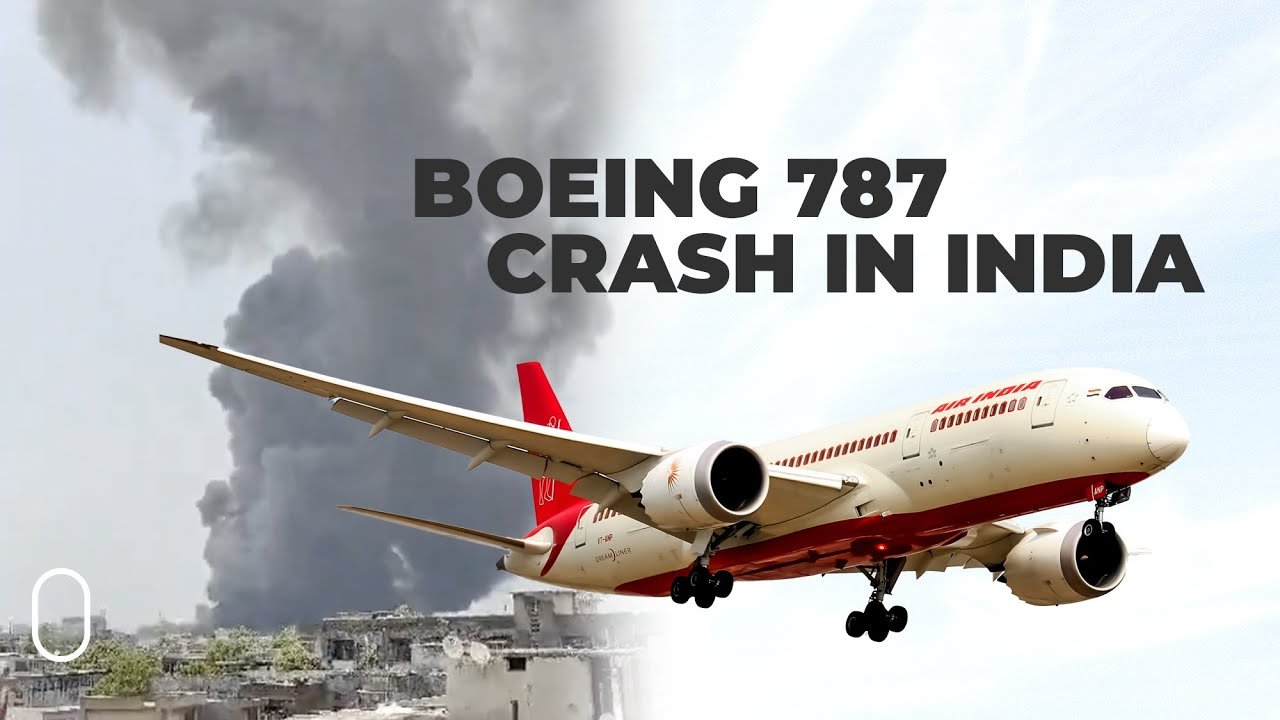
Air India Flight AI171, a Boeing 787-8 Dreamliner, crashed shortly after takeoff from Ahmedabad on June 12, resulting in 260 fatalities, including 52 British citizens. Remarkably, one passenger survived. This incident marked the first fatal accident for the Dreamliner model since its introduction in 2011.
Attorney’s Response to Pilot Error Allegations
Attorney Mike Andrews, representing the families of more than 100 victims, disputes suggestions that the crash was caused by pilot error or self-sabotage. Andrews argues for an investigation focusing on potential technical flaws in the aircraft’s potable water system, which may have led to critical electrical failures.
Pursuing Technical Faults
Andrews has targeted Boeing in lawsuits, emphasizing ongoing technical concerns with the Boeing 787’s potable water system. This system is close to sensitive electronics and has been a concern in Boeing’s bulletins and FAA warnings about water leaks. Various bulletins from Boeing have instructed airlines to maintain waterproofing for couplings that join water lines under lavatories and galley areas.
FAA Directives and System Risks
The FAA has documented incidents of water leaking into the electronics equipment bays on 787s, prompting equipment replacements. These bays house crucial computers, including the full authority digital engine control (FADEC) system, essential for automatic engine management. An Airworthiness Directive was issued in May regarding inspections for missing sealants to prevent such leaks.
Crash Sequence and Investigation
The preliminary investigation report suggests that both fuel switches were moved to the “cut-off” position, stopping fuel supply to the engines shortly after takeoff, leading to theories of pilot self-sabotage or accidental switch-off. However, Andrews suggests these could be indicative of a FADEC reset or an electrical shutdown, not deliberate pilot actions. The pilots had passed all pre-flight checks and were deemed fit for duty.
Exploring Boeing 787 Design Concerns
Despite its design for efficiency and comfort, the Boeing 787 has faced persistent issues with its potable water system and possible EE bay moisture impacts. Andrews posits that water leaks might exacerbate issues like lithium-ion battery heaters or thermal runaways. He questions Boeing’s certification process and whether such risks were adequately addressed.
Legal Proceedings and Evidence Collection
While no lawsuit has been filed yet, Andrews’ team actively seeks evidence, utilizing whistleblower accounts and data requests. Andrews cautions against hastily blaming the pilots or Boeing without concrete evidence, emphasizing a broad investigative focus.
Family Impact and the Need for Accountability
For the victims’ families, uncovering the truth and preventing future incidents is paramount. Some families face frustrations over compensation disputes and delays. Andrews insists that accountability should not be shifted away from manufacturers when defects are present.