
The analysis identifies the top five airlines by widebody aircraft fleet size. Emirates leads with 264 widebody aircraft, followed by United Airlines with 227. Qatar Airways and Delta Air Lines also have substantial widebody fleets, prioritizing modern, efficient aircraft. Turkish Airlines uses its fleet of 154 widebodies effectively to connect its Istanbul hub to global destinations.
Browsing: Aviation News
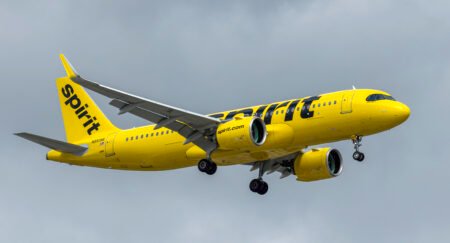
On September 16, 2025, Spirit Airlines had a near miss with Air Force One over New York. Air traffic control issued rapid directives to ensure separation, highlighting the intricacies of managing presidential flights. While the response delay underscored challenges in busy airspace, the system’s safety protocols remained robust.
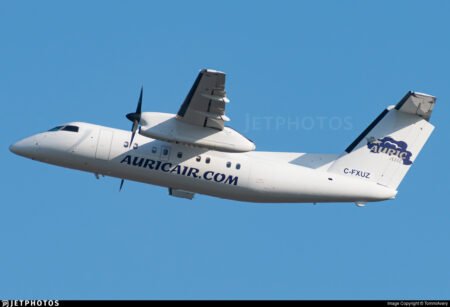
Auric Air is launching a new route on October 1, 2025, connecting Dar es Salaam, Mwanza, and Bukoba in Tanzania. Operating four days a week with a Dash 8-300 aircraft, the service aims to enhance travel options for business and leisure passengers in northern Tanzania.
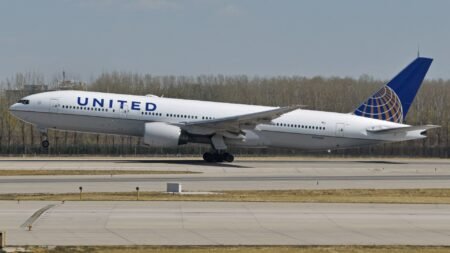
United Airlines maximizes its domestic reach by leveraging the Boeing 777 family, specifically boosting usage of the 777-300ER while reducing smaller variant operations. Despite a 12.2% decrease in total flights, utilization of the 777-300ER rose by 55%. Key routes include Newark-San Francisco and Honolulu-Guam. No plans for 777X series upgrades exist as of now.
The Airbus A380 and Boeing 777X represent contrasting eras and strategies in aviation. The A380 focused on maximum passenger capacity, while the 777X offers modern efficiency and flexibility. The shift in airline priorities towards efficiency has resulted in the 777X gaining favorable interest, supported by orders from major airlines as they phase out the A380.
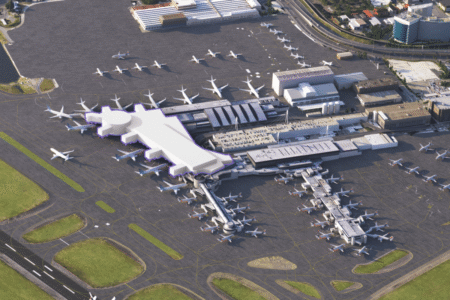
Sydney Airport has introduced Master Plan 2045 to increase its capacity by 75%, aiming for over 72 million annual passengers. This plan includes boosting international travel share and doubling airfreight capacities, while creating significant job opportunities. The expansion, the largest since 2000, focuses on sustainability and modernizing key terminals to meet future demands.
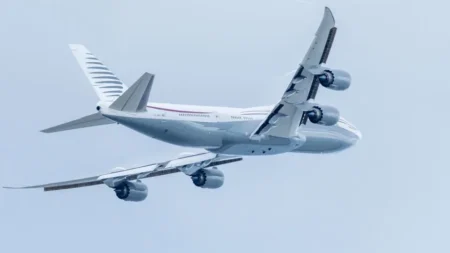
The US Air Force is modifying a Qatar-gifted Boeing 747-8 to serve as a presidential aircraft. Despite earlier setbacks in the Air Force One program, this effort seeks to provide an alternative transport for President Trump by early 2026, amid concerns about costs and security.
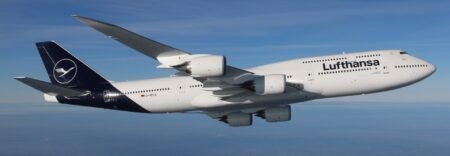
Lufthansa continues to be a significant operator of the Boeing 747 family, utilizing both older 747-400s and newer 747-8s for passenger flights. Despite the industry trend towards twinjets, Lufthansa maintains a robust schedule with these quadjets, reflecting their strategic importance. The carrier’s aircraft routinely serve major international routes from Frankfurt, with retrofitting efforts underway to enhance the flying experience.
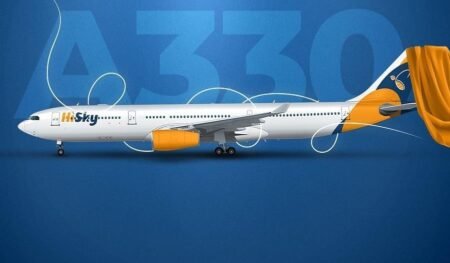
HiSky will introduce direct flights from Bucharest to Chicago O’Hare starting June 2026, reviving a route last operated in 1995. Utilizing a 274-seat Airbus A330-200, HiSky will offer competitive pricing, though with limited in-flight amenities. This new connection capitalizes on Bucharest’s status as one of O’Hare’s largest unserved markets in Eastern Europe.
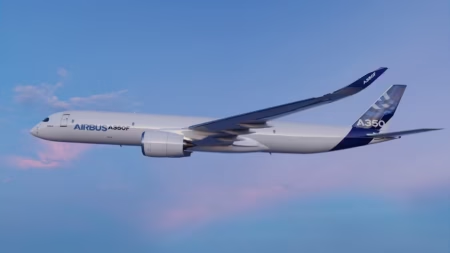
The Airbus A350 freighter aims to elevate Airbus’ share in the global cargo market, with approximately 68 orders against a backdrop of anticipated freight demand growth. Despite supply chain challenges pushing back its entry into service to 2027, progress continues with key components being assembled. Several airlines maintain robust commitments, while the freighter’s efficiency highlights potential operational benefits.